The beloved restaurant rewriting the rules of seafood
While most of the state’s coastal eateries import seafood from as far as India, one has gone all-in on the boats docked right outside, reports.
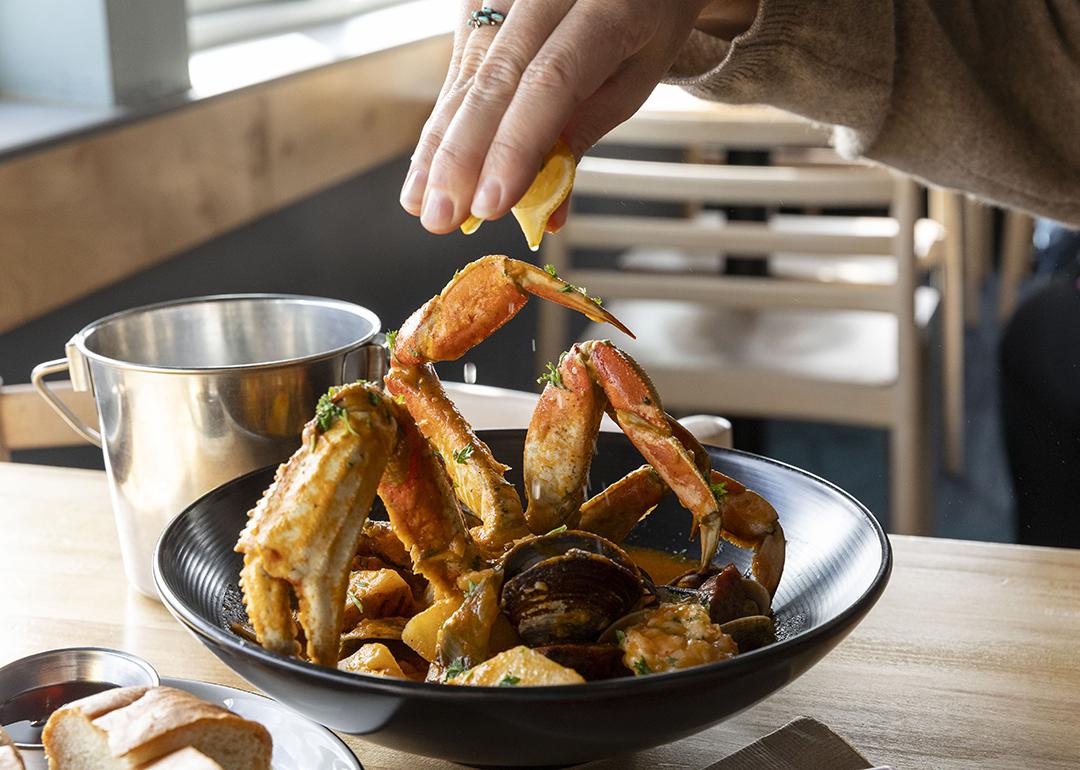
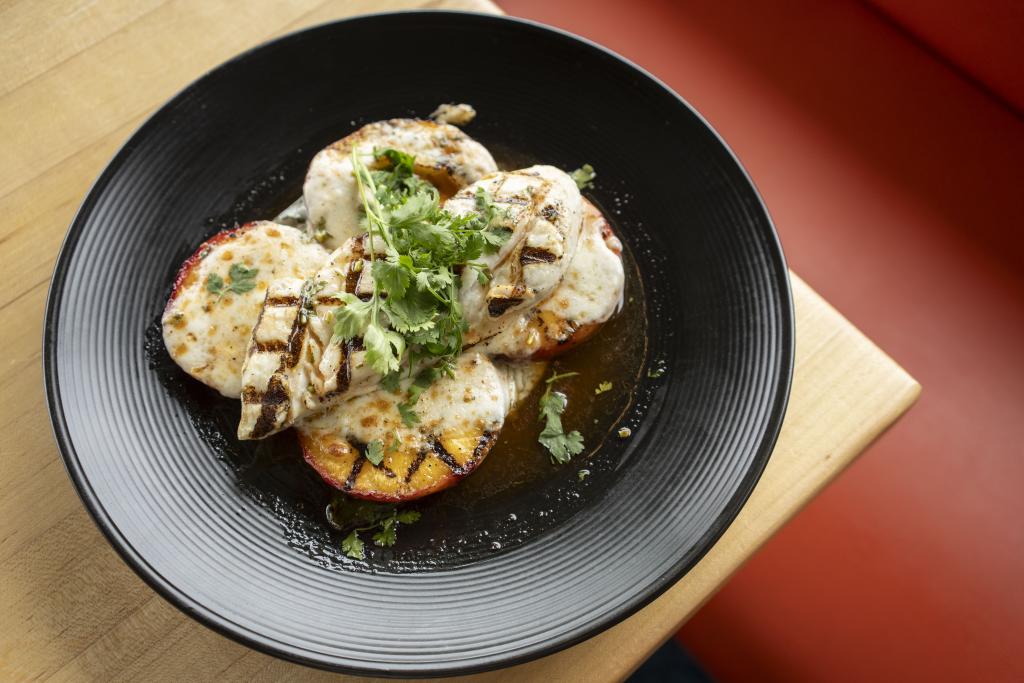
When foodies head to Newport, Oregon, one place is always at the top of their list: . Repeat diners rave about the roasted garlic and crab soup, studded with fat lumps of local Dungeness; the lightly battered fried rockfish tacos served with citrus slaw, Huichol mayo and pickled veggies; and the saffron-infused Fishwives Stew, teeming with Oregon pink shrimp, wild prawns, scallops, clams and rockfish — served with a side of garlic bread. Even the niçoise salad, elevated with seared Oregon-caught tuna, is a standout.
An added bonus to the delicious seafood menu is that the overwhelming majority of it — including what’s sold at the downstairs fish market — is caught in the ocean just off Newport. That’s a rarity these days in Oregon, where a whopping 90% of the seafood purchased and consumed on the coast is not locally caught, according to a by the Oregon Coast Visitors Association (OCVA). Roughly 90% of Oregon’s seafood imports typically come from three countries: India, Canada and China. Ironically, Oregon exports its seafood to some of these same countries. Shipping seafood halfway across the world costs thousands of food miles — that is, the total distance food travels from where it’s caught or produced to where it’s consumed — creating an enormous carbon footprint.
But also, OCVA estimates that Oregon’s coastal communities lose roughly $178 million a year because restaurants and food stores import seafood and other ingredients from far away. (In other words, when restaurants and groceries on the Oregon Coast order prawns from Indonesia, Atlantic salmon from the East Coast and salad greens from California, money that could be staying in Oregon’s coastal communities leaves the state.) That’s not even including the economic multipliers of processing facilities, packaging and storage jobs that would be added if seafood stayed on the Coast.
That nearly all of the seafood served at Local Ocean is caught off the coast of Oregon and other West Coast fisheries is not by chance. Founder and former owner Laura Anderson started the company 21 years ago because she wanted to buy seafood directly from the boats that dock right outside the restaurant in Newport’s marina. Her father was a commercial fisherman, and she sought to support the local community of fishers while creating a restaurant that went above and beyond when it came to sourcing sustainable seafood.
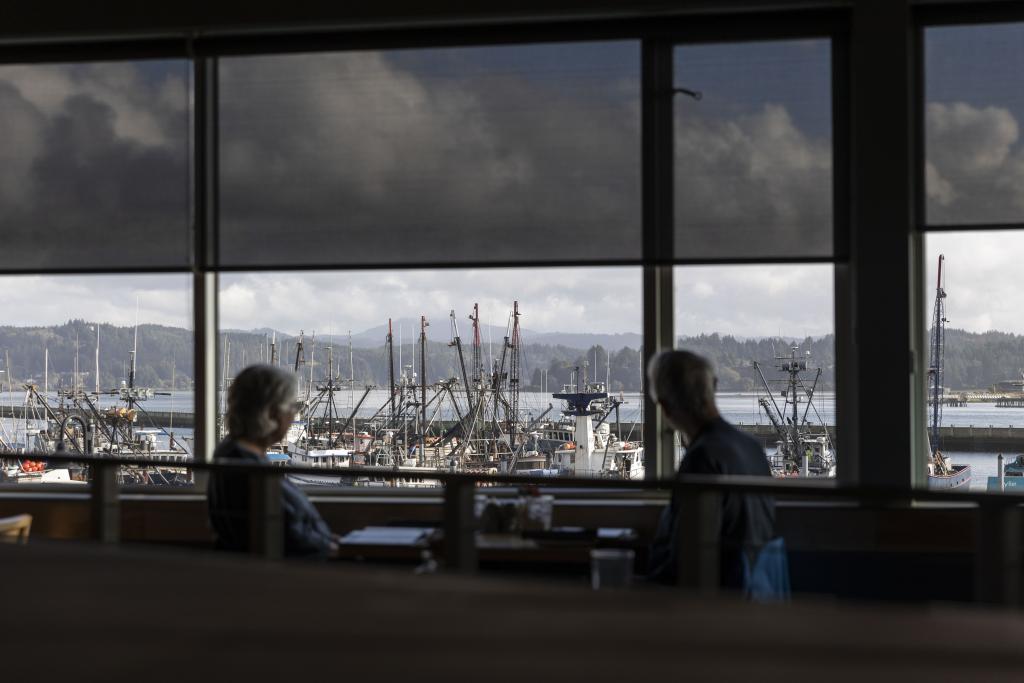
When she opened it in 2005, Local Ocean was more of a fish market with a few tables for lunch. But the restaurant was so instantly popular — with lines out the door — that it quickly became more profitable than the market. Today, the market does just 10% of the business, while the restaurant steals the show.
Some eaters may have a romantic notion when they think of restaurants serving local fish. Perhaps they imagine a chef wandering down to the dock, chatting with a fisher and buying a handful of fish directly from the boat. But actually, sourcing local fish takes a lot more work — and money.
For one thing, Local Ocean has to buy a special wholesale license from the state each year.
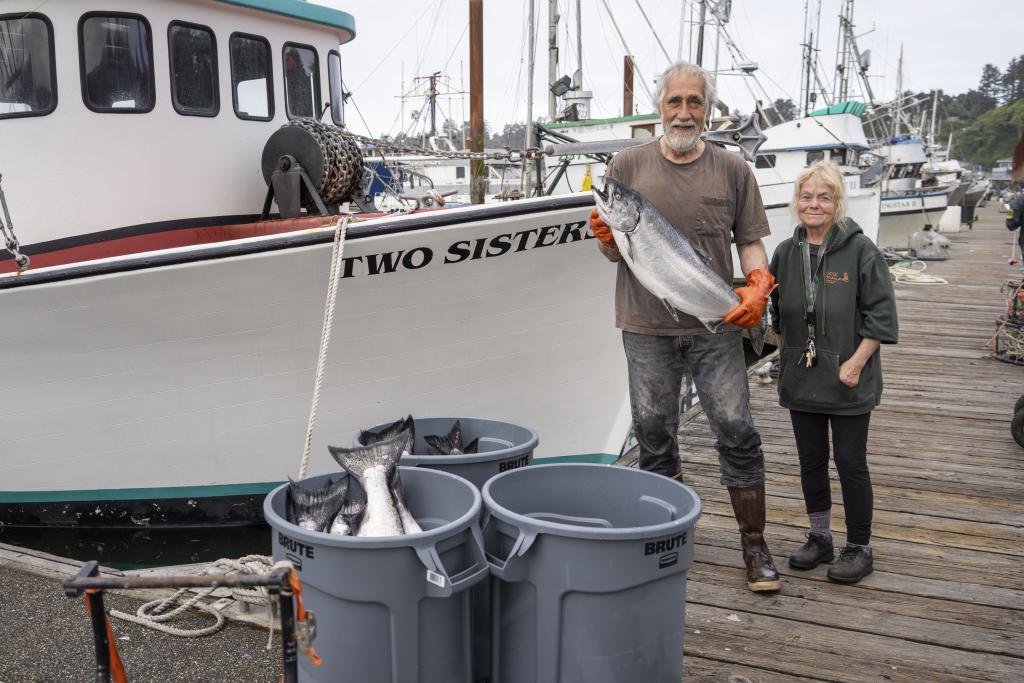
“We have to be a wholesale fish buyer like Pacific Seafoods or any of the other entities that are legally authorized to purchase fish,” Anderson says, referring to the massive vertically integrated seafood processor and distributor based outside of Portland. Not only is it a “considerable expense” to have the licensing, says Anderson, the restaurant has to have bonding, and its staff has to do extensive reporting as a so-called “first purchaser.” The restaurant also pays landing fees and commission taxes, to, for example, the Dungeness Crab Commission. And there are state-level taxes for every pound landed.
“It’s not for the faint of heart,” Anderson says.
On the restaurant side of things, there is a separate “Fillet Team” that breaks down and fillets all manner of fish, crustacean and other seafood. Since whole fish are a rarity at restaurants these days, finding employees who are skilled at fish butchery is a necessity. “It’s a specialized skill,” says Local Ocean President Tony Bixler. “Our chefs always know how to cut whole fish, but our average line cooks may not be trained in that.” The restaurant’s Fillet Team alone has as many as six people during the busy summer months.
Anderson, who has a master’s degree in marine resource management from Oregon State University, keeps an eye on the two best-known seafood sustainability standards, published by and . That said, she doesn’t see them as prescriptive.
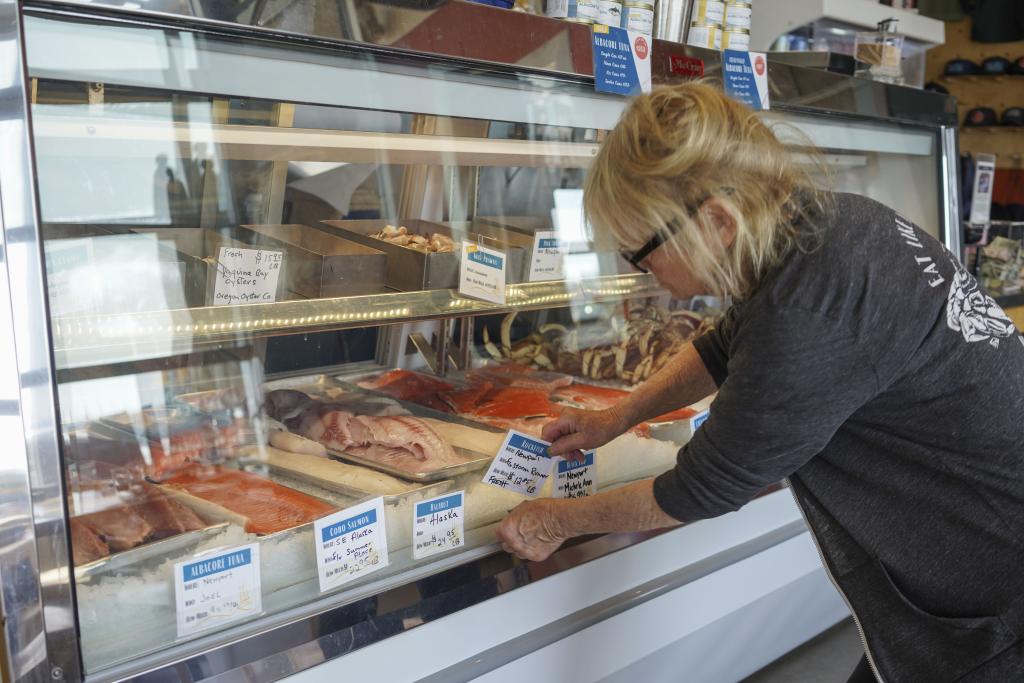
Her abiding value — and part of the company’s mission — is to buy local. “For six years, I sat on the Fish and Wildlife Commission, which sets fisheries policy for the state,” she says. She also has a lot of faith in federal fisheries management — and particularly in how Oregon manages its fisheries.
“We have some of the best-managed fisheries in the world,” Anderson says, referring to the U.S. And West Coast fisheries exceed the already-high standards of other U.S. fisheries, according to Anderson. “Where I really draw the line is importing seafood from other countries,” Anderson says. Local Ocean doesn’t sell any foreign-caught fish. Nor does it sell any farmed fish. (Though oysters, clams and mussels do come from local aquaculture farms.)
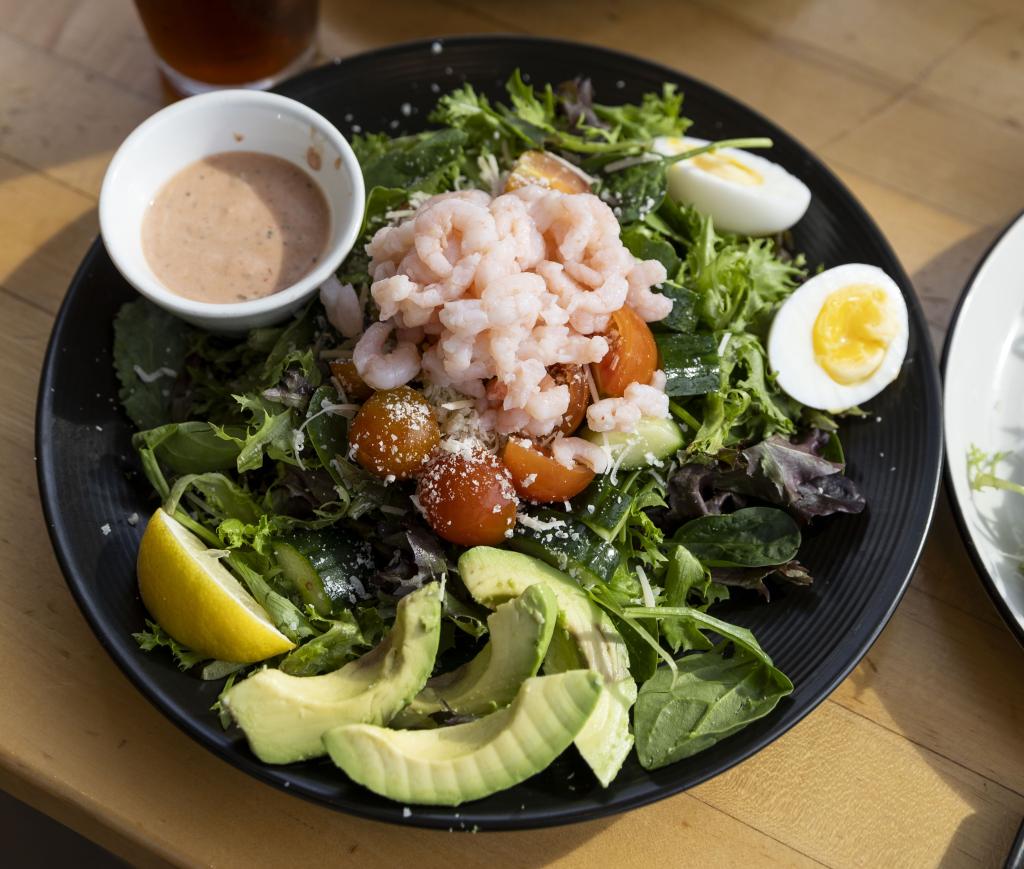
The diminutive pink shrimp you can find on various salads and sandwiches at Local Ocean are a good example of Oregon’s high bar. The state’s pink shrimp fishery used to have a lot of bycatch. (That is: other fish or marine species that aren’t the intended catch.) But now, have reduced the bycatch to under 1%. For this reason, Oregon’s shrimp fishery is considered one of the most sustainable shrimp fisheries in the world.
From the fisher’s point of view, working with Local Ocean has many benefits. For one thing, you’re selling to a company that employs and feeds locals — and you’re keeping your delicious, freshly caught fish on the Oregon Coast. (As it turns out, this is a value many Oregon fishers share.) For another, in almost all cases, Local Ocean pays more.
Fisherman Brett Montague has been selling to Local Ocean since 2018. He says selling directly to the company both aligns with his values and is good for his bottom line. He and another fisherman catch albacore, salmon, incidental halibut and rockfish from a 40-foot boat called the Jo El. The Jo El is a troller, meaning they use hook-and-line to catch fish — which results in very little bycatch.
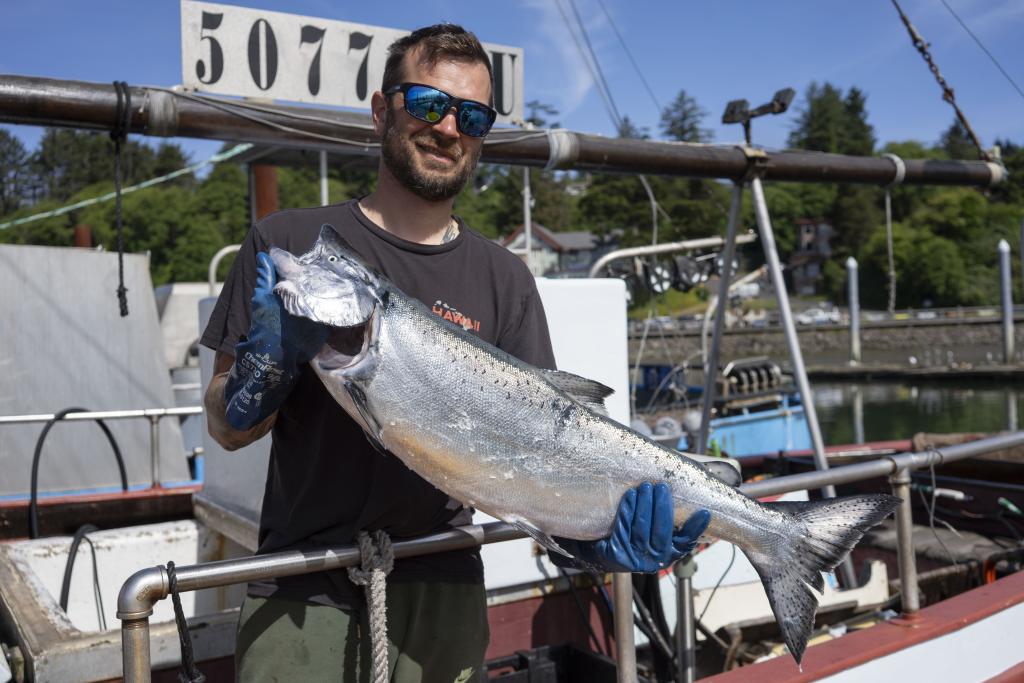
“I like keeping all my seafood here in Oregon or on the West Coast,” Montague says. (He also fishes off Washington and California.) “Each year, I’ll meet with Local Ocean’s president, Tony [Bixler], and we’ll discuss how many pounds — are we going to do more than last year or less? And it’s this unspoken contract that I can rely on every year.” There’s a neighborly feeling to the relationship, too: Sometimes folks from Local Ocean will help Montague and his deckhand bring the fish up from the boat. “It’s kind of like a family affair,” he says.
Typically, Local Ocean will buy 30,000 pounds of albacore a year from Montague. If Montague catches more than he’s promised to Local Ocean, he can sell his fish elsewhere. (Other buyers often insist on exclusive rights.) But he prefers working with Local Ocean because of their long-term relationship and because Local Ocean tends to pay fishers a little bit better.
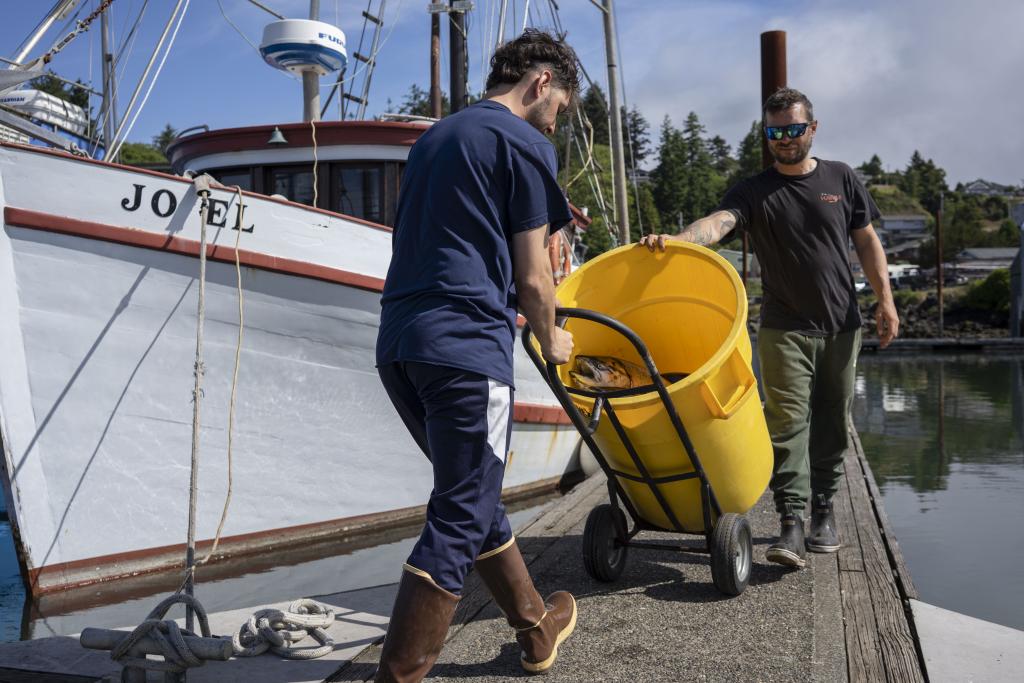
The tuna market fluctuates wildly depending on global supply, and often no one knows the “dock prices” until the fish is landing on the dock. This can create stress for fishers. Bixler likes to offer longtime partners like Montague a price before the season begins, ensuring they can make a living wage. “He’s still doing the same work, and the fish is the same,” Bixler says. “If the tuna market globally is really depressed because the market is flooded with foreign fish, I don’t want that to affect his business or our future business, as well. If I don’t pay him what the fish is worth, he may not be around for the next season.”
Montague, for his part, makes extra sure that the fish is in great shape. “Because we know it’s going right to the plate, we tend to take care of our product a little better,” he says. He also flash-freezes the fish at sea — the Jo El has a blast freezer on board that keeps it at negative 30 degrees Fahrenheit — and the tuna goes straight into Local Ocean’s freezers when the boat returns to shore. This ensures a year-round supply of sashimi-grade tuna for Local Ocean to butcher as it needs.
Inspired by the Iceland Ocean Cluster, which led the country’s innovative push to use every last part of the fish, Anderson launched a “” program at Local Ocean last year.
In conventional seafood processing, a fish might yield between 35-65% of its total body weight into a fillet. Local Ocean aims to upcycle seafood byproducts to use up the rest of the fish. After receiving a grant last year, Local Ocean hired Darlene Khalafi to be the 100% Fish business innovation program manager. Khalafi is positively evangelical about the possibilities.
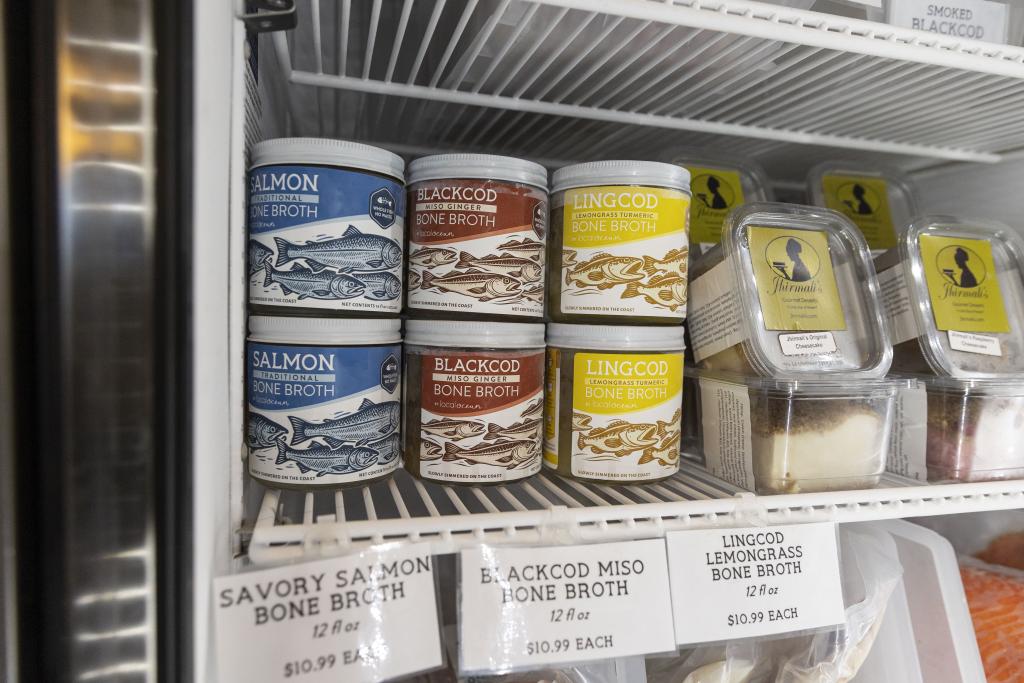
Already, she and her team have made and seafood bone broth. She is also working with the restaurant’s new executive chef, Jacob Harth, to incorporate alternative seafood cuts into the new spring menu.
“Local Ocean purchases 100,000 pounds of local fish per year,” she says. All that fish is hand-filleted in-house, so saving the bones, fish skin and imperfect bits of meat is possible. Processing typically neglected parts of the fish will yield another potential product. “For each product we make there will be a tertiary byproduct,” she notes. “Before we air-dry the fish skins, we scrape off all the meat. So now I have a bunch of frozen scraped meat that has scales in it — but maybe we can do something with it!”
Because Local Ocean’s strength is in food, Khalafi is starting with food products. In addition to the dog treats and bone broth, she is exploring doing a line of tinned fish products with underutilized parts like bellies and cheeks.
But she also has ideas about turning the fish waste into protein hydrolysate for a high-quality fertilizer, and eventually, there may be a fish leather product.
For now, 100% Fish is supported by grants, but the hope is that once these products take off, the revenue will sustain and even grow the program.
Eventually, the value-added products may have a spinoff brand. “But because Local Ocean already has a 20-year legacy as one of the most iconic seafood restaurants in the Northwest, we decided to lean on that,” Khalafi says.
In 2022, Local Ocean became what is known as a Perpetual Purpose Trust. Also called a , a Perpetual Purpose Trust (PPT) is a type of employee ownership that, unlike an Employee Stock Ownership Plan (ESOP) or a traditional co-op model, is mission-based. Other companies that have recently become PPTs include Patagonia; Organically Grown Company in Eugene; and in Ann Arbor, Michigan.
For this type of employee ownership, the business has to first form a trust, and the trust owns the company. Trustees, who are voted on by their peers, make sure that the company is being operated according to its mission. In Local Ocean’s case, that means they have to review an annual report and ensure that the company is buying local, from sustainable fisheries, and that it’s buying direct. Trustees are also eligible for profit-sharing.
Anderson is still on the Local Ocean Board and will help the company fully transition to the employee ownership model. That said, the trustees have taken the reins.
While most trustees are employees, the Trust also allows for community members and fishers to be trustees. “The company exists not just for its employees,” Anderson notes. “It exists to serve fishers and it exists for the community as well. We want Local Ocean to be for the employees, but we wouldn’t be here if not for the fishers.”
This story is part of , an ongoing series that explores the solutions making rivers, waterways and ocean food chains healthier. It is funded by a grant from the .
was produced by and reviewed and distributed by ±¬ÁÏTV.