AI insurance: The $7 trillion rebuild
AI insurance: The $7 trillion rebuild
In 2024, insurance giant Allianz a photo of a damaged van from a customer, along with a 拢1,000 repair invoice. In days gone by, the company would have quickly paid out but, in the age of AI, seeing is no longer believing. The fraud team set about investigating the vehicle owner鈥檚 social media, only to find an identical image that had later been edited to show fake damage.
This is one of the problems that Eliron Ekstein, founder and CEO of Austin-based startup Ravin, is setting out to solve, with AI-powered tools that can verify real damage and stop fraudsters like these in their tracks.
鈥淵ou look at both images and they look completely credible,鈥� he said. 鈥淚t's becoming a lot easier for people to trick the system.鈥�
鈥淚nsurance is famously old-school when it comes to tech adoption, but I think it also offers tremendous opportunity, because of the sheer scale and financial risk that they operate under,鈥� said Ekstein.
And Ekstein鈥檚 not the only one using AI to try to transform the $7 trillion insurance market, as this article from explores. The insurance industry from lower public trust than every major consumer industry except social media, and still relies on
鈥淪ome insurance companies underwrite in the tens of billions of dollars, so every little improvement can really help and you can make money out of that. It鈥檚 just, do you have the patience?鈥� Ekstein said.
Advances in frontier models appear to be making the venture capital industry increasingly comfortable to show that patience. Global investments in insurtech in 2025, with 78% of funding going toward AI-centered investments in the final quarter, up from .
But while the size of the prize, and the appetite to win it, might be big, so are the costs. Tight regulations in insurance mean low tolerance for bias and hallucination, forcing AI insurtechs to develop complex checks and balances that translate into hefty compute bills for these companies, as they try to revamp one of finance鈥檚 most stubborn legacy industries.
鈥淗umans aren鈥檛 instant鈥�
Insurance carriers 鈥� the companies that create, underwrite and issue insurance policies to individuals or businesses 鈥� have traditionally been highly labor-intensive operations to run. They are responsible for drafting lengthy contracts, assessing buyers and assigning them to risk categories, and managing claims and payouts.
San Francisco-based Corgi Insurance became the first AI-native insurance carrier to win regulatory approval in the US in July 2025, and since then has scaled to more than $40 million in annual recurring revenue. Co-founder and CEO Nico Laqua said that this rapid product-market fit is partly down to the text-heavy nature of the work, making it a perfect fit for GenAI.
鈥淭here are quite a lot of workflows that relate to interpreting contracts, generating regulatory reporting for each policy and, in the end, interpreting the claims that are coming in. All of those are language-based,鈥� he said. 鈥淢ost of our competitors employ north of 40,000 people that do all of these very repetitive workflows. In our case, we automate as much of that as possible.鈥�
鈥淚f you're using humans and a call center to do these very repetitive tasks, the customer experience is inevitably worse, because humans aren't instant. Humans stop working at five o'clock and they don't work weekends,鈥� Laqua said. 鈥淟et鈥檚 say someone鈥檚 house burns down in the middle of the night; they deserve the money instantly. That's not something that humans are able to do.鈥�
AI versus AI
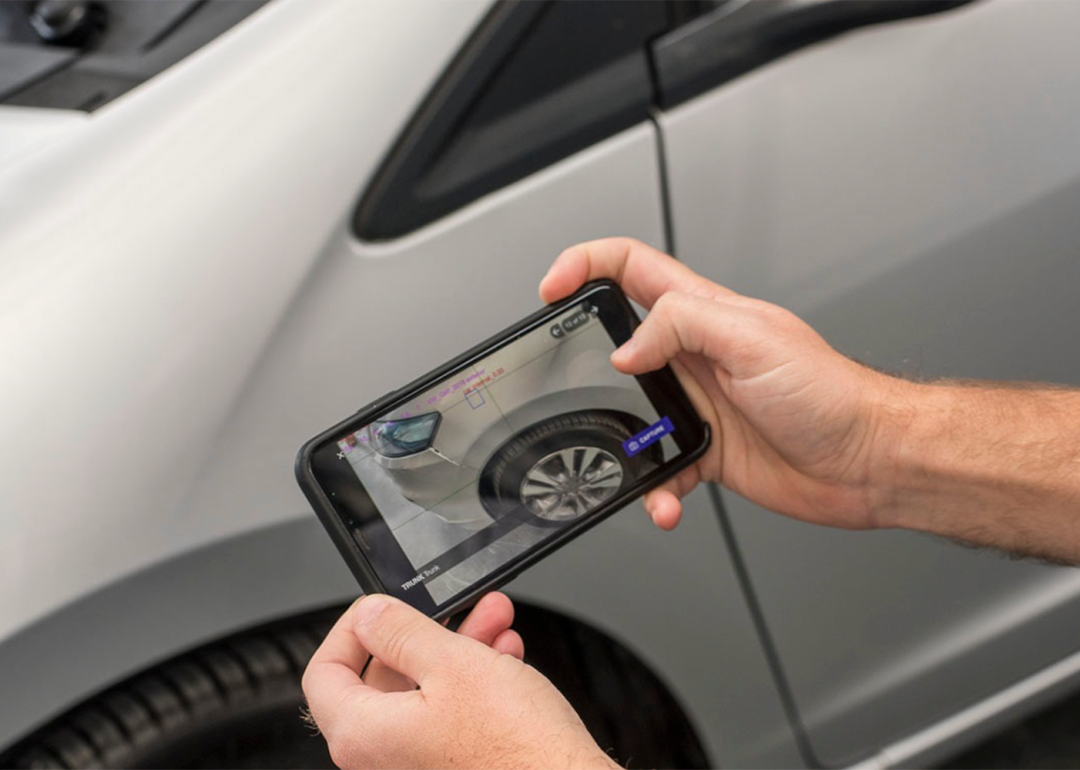
AI is also being put directly in the hands of the people making insurance claims. Ravin鈥檚 Ekstein explained how the company鈥檚 tool allows people to video scan damage to vehicles with their phones, with a vision model assessing the severity of the issue, leading to faster payouts.
鈥淧reviously, the vehicle would get towed into a body shop, get assessed, and then you find out it鈥檚 not repairable. So the vehicle is sitting there for five days,鈥� he said. 鈥淲hat you can do with Ravin is the insurer can actually settle the claim immediately and tell the customer: 鈥榊ou know what, your vehicle is not repairable. Here's a check in the post.鈥欌��
Beyond faster payouts, Ekstein said Ravin also protects insurers from the of fraudsters using AI deepfakes to edit photos to add fake damage to vehicles.
鈥淚nsurance companies increasingly accept images as evidence,鈥� he said. 鈥淲ith our technology, you can't just upload a set of images of your vehicle. You need to perform a scan that will take the images for you. We will collect metadata about your location, the time it was taken. It's very hard to cheat.鈥�
Checks and balances
Ekstein said that insurance鈥檚 growing appetite for AI will create huge demand for compute resources, with Ravin alone processing 2,000 videos every day, and that the sensitive data its scans capture makes regionally compliant cloud infrastructure essential.
For Corgi and others trying to crack the tightly regulated carrier section of the market, the compute demands are even more complex, due to the need for extra caution around GenAI hallucination and bias.
鈥淲e work very hard to make sure that there's fewer biases than a human would have with any of that sort of information,鈥� said Laqua. 鈥淗allucinations are a problem too, but supervisory models have gotten quite good so you can use models to oversee other models with anything that is super, super sensitive.鈥�
Running these side-by-side models to counter mistakes and biases can multiply the compute cost of every inference call by a factor of four in an industry that is already very data-heavy by nature.
鈥淲e're generating a lot of reports. We're dealing with a lot of forms, a lot of paperwork. So there's a lot of text that needs to be generated,鈥� Laqua said. 鈥淲e use a lot of tokens, and then we need to double and triple and quadruple-check all of the work that we do because we're selling a financial product, and it needs to be correct. So that's just expensive.鈥�
So, while a company replacing tens of thousands of employees with 100 engineers might sound like a cost-saving, it鈥檚 not how Corgi is trying to create value in the industry.
鈥淭he reason we use AI is not to save money. It鈥檚 because right now, pretty much every single business and person in the United States spends about twice as much on insurance per year as they do on software, and the experience is just terrible across the board,鈥� said Laqua. 鈥淲e鈥檝e gone in and really focused on using technology to make the customer experience better. That's the reason why we have a lot of traction.鈥�
was produced by and reviewed and distributed by 爆料TV.