Why do trucks last longer than cars?
Have you ever noticed the prevalence of 20- or even 30-year-old pickup trucks on the road? These trucks aren鈥檛 just barely getting from point A to B鈥攊nstead, they鈥檙e still running like tops, hauling trailers, commuting to jobsites, or even racking up miles on the highway. Why is it that trucks always seem to outlast other vehicle classes?
In this article, breaks down all the reasons why trucks tend to last longer than cars鈥攆rom their rugged construction to how owners use and maintain them. This also covers realistic mileage expectations, which brands and models have the best reputations for reliability, and the steps you can take to keep your truck on the road for years to come.
Do Trucks Last Longer Than Cars?
Short answer: yes, but not always. Not every pickup truck will outlast every car, and proper maintenance still matters. That said, it鈥檚 no secret that trucks typically stay on the road for hundreds of thousands of miles and decades, while several cars are retired much sooner.
One of the major statistics to consider when discussing longevity is the likelihood to reach a quarter-million miles. According to a , not even 5 percent of cars across all classes reach 250,000 miles before retirement. However, trucks fare considerably better at over 13 percent.
This longevity isn鈥檛 a fluke. Trucks are engineered for durability and longevity鈥攆rom their beefy C-channel or fully-boxed frames to their robust drivetrains. When you blend heavy-duty engineering with higher resale value and diligent maintenance, it鈥檚 no mystery why trucks tend to go the distance.
Heavy-Duty Body-on-Frame Construction
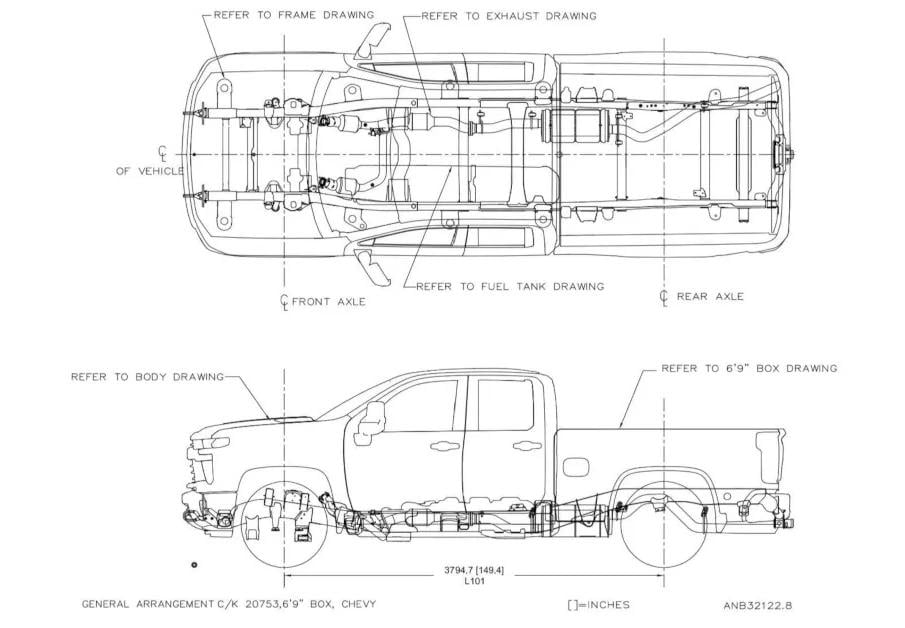
One of the biggest reasons trucks last so long is their heavy-duty design, namely their .
Unlike most passenger cars, which use unibody architecture where the body and frame are one, trucks are built with a separate steel frame that acts as the vehicle鈥檚 skeleton. The body, drivetrain, and suspension mount to this frame, forming a rigid and reliable platform. This design is far more robust and is better suited to towing heavy loads, hauling heavy cargo, and long-term abuse on the ranch, trail, or job site.
Body-on-frame construction offers benefits beyond rigidity. This design also provides better resistance to structural fatigue, is easier and cheaper to repair after damage, and is less vulnerable to catastrophic failures from rust and corrosion. Even if a truck鈥檚 body panels show rust or wear, the frame underneath typically remains structurally sound, which isn鈥檛 often the case for unibody cars.
Robust, Dependable Drivetrains
Trucks are built for work, not just to get you and the kids from point A to point B. The same philosophy that calls for heavy-duty chassis also applies to engines, transmissions, and driveline components. Compared to many cars, trucks feature powertrains with larger displacements, more power, tuned for raw torque, and built with heavier-duty components.
Whether gasoline or diesel, truck engines are generally designed to handle long working hours, heavy loads, and rigorous conditions. The same goes for transmissions, differentials, and transfer cases, which are engineered with durability and longevity in mind. As a result, most truck powertrains can rack up tons of mileage without wearing out prematurely.
More Resale Value, More Reason to Repair
Another often overlooked factor in a truck鈥檚 longevity is its overall value.
Trucks routinely hold their value better than cars, depreciating more slowly and commanding higher prices in the used market. On average, trucks depreciate at about 35 percent after five years, whereas cars depreciate at about 50 percent. That high resale value often changes how owners approach repairs鈥攎ainly major fixes like engine or transmission rebuilds.
For example, while the price to rebuild a car鈥檚 engine may be on par with rebuilding a truck鈥檚, the truck is worth far more on the used market. Where the price of the repair may outweigh the value of the car, the truck owner is more likely to opt for the repair since the truck鈥檚 value, once repaired, will be considerably higher than the cost of the repair.
Spending a few thousand dollars on repairs often makes financial sense to truck owners when the truck鈥檚 resale value remains high. This factor tends to keep more trucks on the road for longer, rather than trading them in, selling them off for pennies, or junking them.
Rigorous Maintenance Schedules
Many trucks aren鈥檛 just transportation vehicles鈥攖hey鈥檙e tools.
Work trucks, fleet vehicles, and personal pickups used for towing or hauling often follow strict maintenance schedules. Oil changes, transmission services, brake jobs, and cooling system maintenance are rarely skipped, since downtime costs money.
Even privately owned pickups tend to receive better care, since owners expect long service lives and plan to keep the truck for years. Consistent maintenance is a cornerstone of reliability, and trucks typically benefit from it more than other vehicle classes.
When Cars Actually Outlast Trucks
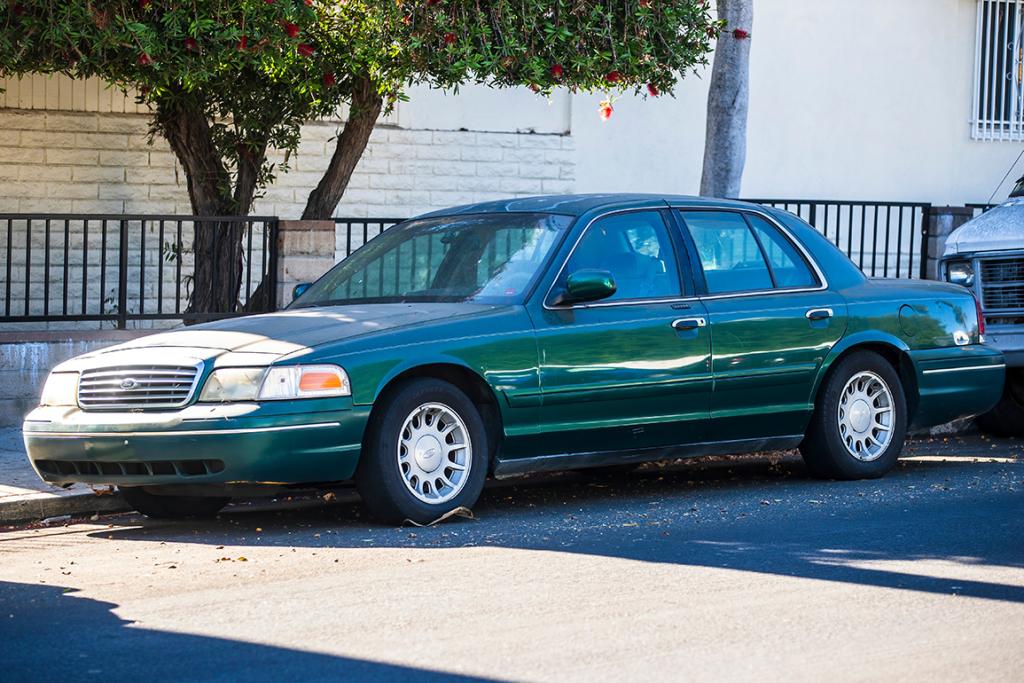
Some cars can outlast trucks in certain conditions, especially those with truck-based architecture, like the Ford Crown Victoria. With rugged body-on-frame constructions and robust V8 powertrains, these vehicles often run for well over 300,000 miles. There鈥檚 a reason police officers and taxi drivers relied on these vehicles for decades.
In warmer climates, unibody cars with solid drivetrains can also reach a quarter-million miles or more. Vehicles like Toyota Camrys and Honda Civics have a reputation for lasting indefinitely, though some attribute this longevity to the driving these vehicles are typically used for. As commuter cars, these vehicles often have an easier life than trucks and SUVs.
How Many Miles Can a Truck Last?
For modern trucks, 200,000 to 300,000 miles isn鈥檛 an unrealistic expectation, so long as proper maintenance is performed. Some exceptions last even longer, with heavy-duty diesel trucks often exceeding 300,000 miles and some well-maintained fleet vehicles stretching to 400,000 or more.
Of course, this number all boils down to factors like driving habits, maintenance frequency, oil and filter quality, and the type of driving done throughout the truck鈥檚 lifetime. However, trucks are still engineered with high mileage in mind.
Which Trucks Last the Longest?
Some trucks, more than others, have reputations for exceptional reliability and longevity. There鈥檚 a reason you鈥檒l often see high-mileage examples commanding premium prices on the second-hand market, or the same few trucks popping up year after year in fleets. Some specific truck and engine examples include:
- Toyota Tacoma (3.4L V6)
- Toyota Tundra (5.7L V8)
- Ford F-150 (except those with the 3V 5.4L Triton V8)
- Ford Super-Duty (except the 6.0L and 6.4L Power Stroke)
- Chevy Silverado/GMC Sierra 1500 (any pre-DOD/AFM Vortec engine)
- Chevy Silverado/GMC Sierra HD ()
- Ram 1500 ()
- Ram 2500/3500 () Every manufacturer has good and bad eggs鈥攆rom unreliable Toyotas to bone-stock 6.0L Power Strokes that somehow make it to 300,000 miles.
How to Make a Truck Last Longer
Even the most well-designed and reliable trucks won鈥檛 last forever without proper care and maintenance. If you鈥檙e looking to get the most life out of your truck, check out these proven ways to maximize lifespan:
- Stay on top of oil and fluid changes: Changing fluids at the recommended service intervals increases lubricity and reduces wear.
- Don鈥檛 exceed towing or payload ratings: Manufacturers set these limits for a reason. If your truck isn鈥檛 designed to tow or haul the weight, don鈥檛 be surprised when parts fail.
- Address minor issues before they become big ones: Small problems, such as a bad ignition coil or a minor oil leak, can quickly escalate into full-blown mechanical problems if left unaddressed.
- Wash the undercarriage, especially in salty winter climates: Corrosion is a truck鈥檚 worst enemy. Before road salt and debris have the chance to eat away at body panels, be sure to rinse your truck鈥檚 undercarriage often and consider using a rust-preventative coating for added protection.
- Use quality replacement parts and accessories: When replacing worn or damaged parts, don鈥檛 opt for the cheapest option. In most cases, OEM or OE-quality components will pay for themselves by lasting the remainder of the truck鈥檚 life, unlike cheap aftermarket components you鈥檒l need to replace again and again.
With proper care, a well-built and well-maintained truck can outlast multiple cars鈥攖hey鈥檙e engineered, built, maintained, and valued differently. From heavy-duty frames and reliable drivetrains to high resale values and rigorous maintenance, trucks are built for the long haul.
If longevity is a top priority, consider a pickup truck.
Frequently Asked Questions
Ford Truck vs. Chevy Truck: Which One Lasts Longer?
This debate has been going on for decades, and the truth is that both Ford and Chevy have produced extremely reliable鈥攁nd occasionally problematic鈥攖rucks.
Ford, for example, has had engines with well-documented issues, such as the 6.0L Power Stroke and the 5.4L 3V Triton V8. That said, once common failure points are properly addressed, many of these engines can reach 250,000 miles or more with proper maintenance.
Chevy is often praised for building durable drivetrains, though it hasn鈥檛 been immune to problems. Systems like Displacement on Demand (DOD)鈥攄esigned to improve fuel economy by deactivating cylinders鈥攈ave been known to fail and can cause severe engine damage if not caught early. Transmissions such as the 4L60E have also earned a reputation for reliability issues in higher-mileage or hard-use applications.
Ultimately, neither brand is inherently longer-lasting than the other. Longevity depends more on the specific engine, transmission, maintenance history, and how the truck is used.
Toyota Truck vs. Ford Truck: Which One Lasts Longer?
Both Toyota and Ford are known for building long-lasting pickup trucks. Engines like Toyota鈥檚 22RE and 4.7L V8 have earned legendary reputations for reliability, often reaching exceptionally high mileage with basic maintenance.
Ford is no slouch either. Powerplants like the 300 inline-six and the Coyote V8 have proven to be durable, dependable, and capable of long service lives when properly maintained.
In the end, both brands can deliver excellent longevity. As with any truck, maintenance habits, driving conditions, and build quality matter more than the badge on the grille.
Why are Old Trucks Still on the Road?
Older trucks are still on the road because many were built with simpler mechanical systems, fewer electronics, and heavier-duty components than modern vehicles. These traits make them easier to maintain, repair, and keep running in the long term.
Additionally, owners of older trucks often stay on top of maintenance and repairs, especially if the truck has proven reliable over time. When paired with durable engines and transmissions, this is why many older pickups continue to rack up hundreds of thousands of miles.
was produced by and reviewed and distributed by 爆料TV.