Andrey_Popov // Shutterstock
1 / 4Raise pay
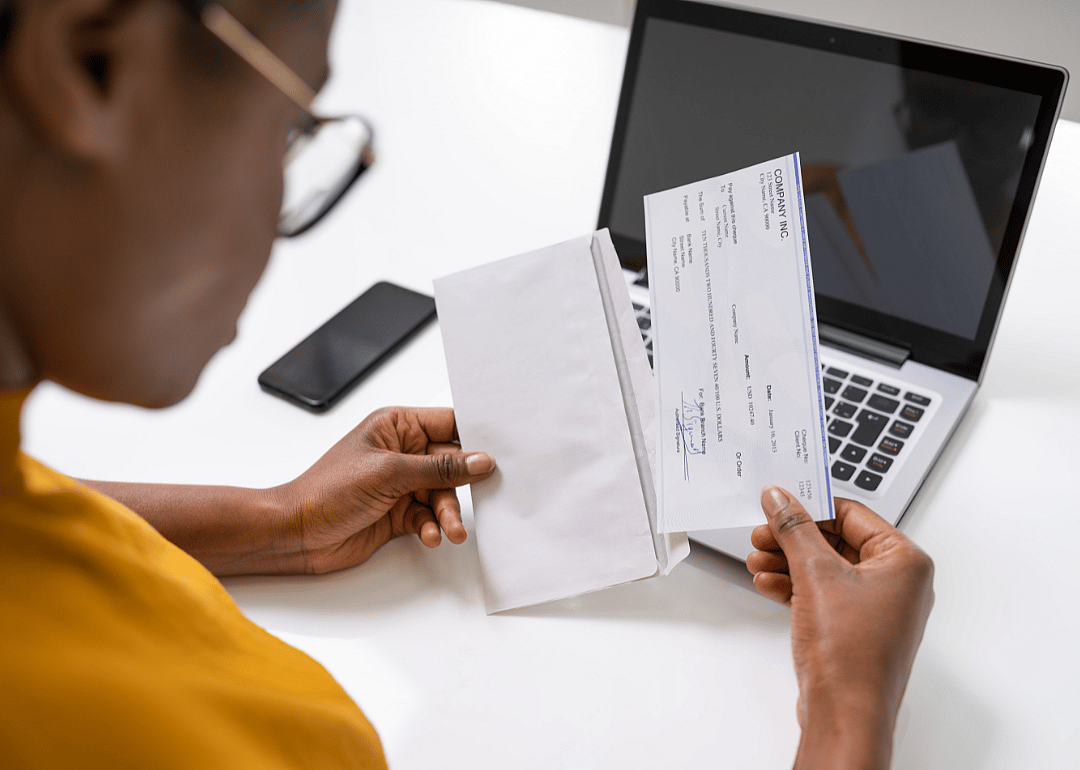
鈥攖he U.S. average living wage was 鈥攈as been a key method over the past 10 years for companies seeking to .
While several states and Washington D.C. have in recent years, the federal minimum wage has remained at $7.25 per hour since 2009. Over roughly that same time, from 2007 to 2021, the Bureau of Labor Statistics found that workers' productivity increased by an .
"Nationally, labor productivity grew slightly faster than compensation," the BLS reported. So while pay didn't always increase accordingly, workers were more productive. But companies, especially at a time of , have an opportunity to do better, by surprising workers with raises.
A 2018 report from said that "research 鈥� has found that when a company gives unexpected pay increases, workers often reciprocate [the gesture] by working harder than is required (even if they don't worry about getting fired)."
Part of the research includes a 2016 Management Science study that notes "" generate a worker's reciprocity to their company and motivates them to stay at a good-paying job鈥攁s long as those higher-paying jobs keep paying more than their competitors.