Oleksandr Berezko // Shutterstock
1 / 10Rethink your wardrobe
What do acrylic, lycra, nylon, polyester, and spandex have in common? They鈥檙e all synthetic fabrics made of plastic. Everytime you wash them, they鈥檙e shedding microplastics. The International Union for Conservation of Nature estimates that these plastic particles from clothing, tires, and the like account for as much as 30% of the microplastics polluting oceans around the world. In addition to this shedding, when the clothing item eventually gets thrown out, it will break down into ever-smaller pieces that make their way into the soil and water supply while harming ecosystems and organisms along the way.
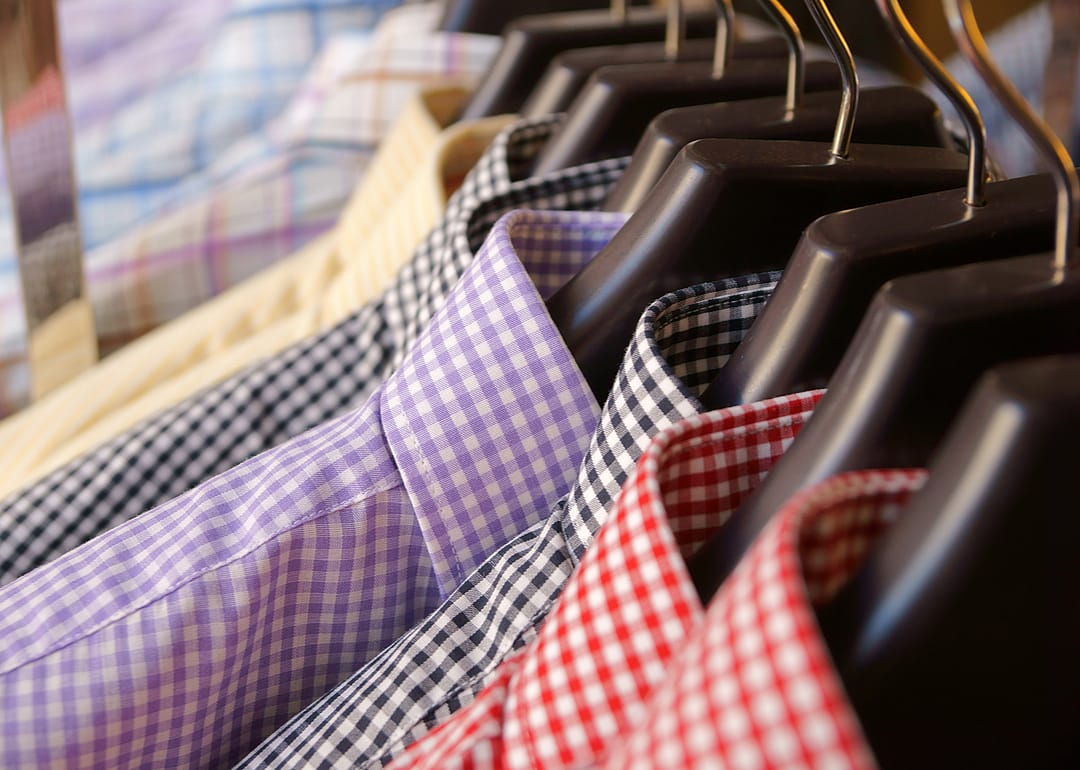
You can sidestep plastics in clothing entirely by simply checking labels to be sure you鈥檙e paying for 100% cotton, hemp, or other biodegradable fibers. If you鈥檙e shopping online, be sure to request no plastic packaging鈥攁nd bring your own reusable bag for in-person shopping. For shoes, look for natural materials and natural rubber soles over plastic.
If you鈥檝e simply got to have that stretch in your clothes, pay a visit to your local thrift store where you鈥檒l save money while keeping wardrobe essentials out of landfills. For clothing items you already have with synthetic fibers, there are products now that claim to catch microplastics and prevent them from running out with the laundry鈥檚 wastewater.
Lastly, if you haven鈥檛 already, learn how to conduct simple modifications and repairs on your clothes and shoes, or get to know your local tailor or cobbler. The less you buy and the more you make use of what you have, the better for the environment.