Canva
1 / 30Cotton T-shirt
It takes about to grow the cotton needed to produce one cotton T-shirt. A polyester T-shirt is a lower-water option, but it uses more oil to produce.

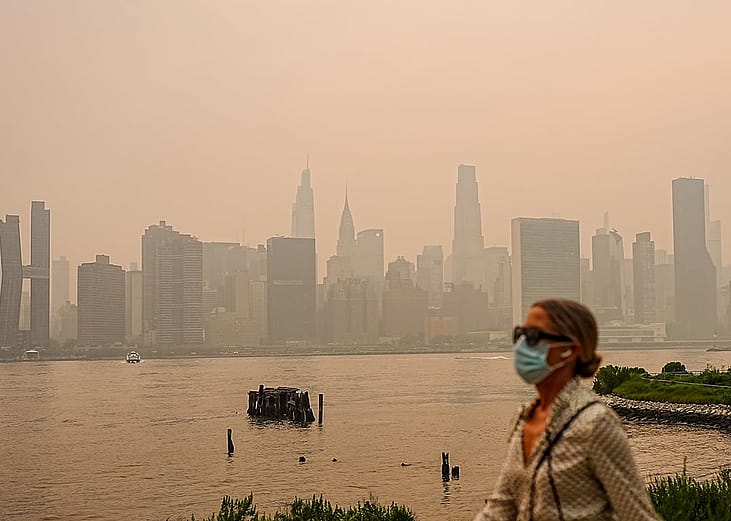
The world is in a water crisis. From to droughts in Arizona, California, and South Africa, the human population seems to be spiraling toward a world with less water. The explosion of AI in recent years has only increased concern about water use, given how much water is required to 鈥攅xperts estimate there were 228 billion gallons of water used for this purpose just in 2023.
Even though water is a renewable resource, there is still a finite amount in our lakes, rivers, and oceans.
A person by flushing toilets, taking showers, running faucets, washing clothes, starting the dishwasher, and watering outdoor lawns. However, that number doesn't take into account the amount of water used to make common items people use daily.
Everyday items like computers, smartphones, T-shirts, jeans, shoes, coffee, eggs, and dog food carry a water footprint. The is the amount of water consumed and polluted in all processing stages of its production. Call it greywater, virtual water, or something else鈥攖he things people use every day are produced with hundreds of gallons of "hidden"聽water. Consider these examples. A pound of almonds takes nearly 2,000 gallons of water to grow. It takes more than 3,400 gallons of water to produce a smartphone, 6,000 gallons of water to run a 60-watt lightbulb for half a day, and 200 gallons of water to make one bowl of dog food.
To find out how much pressure everyday products are putting on the world's finite fresh water supply, 爆料TV's researchers analyzed the water footprint of 30 commonly used items. Keep reading聽to see how much water is needed to make each of these items, and discover more eco-friendly alternatives.
Canva
1 / 30It takes about to grow the cotton needed to produce one cotton T-shirt. A polyester T-shirt is a lower-water option, but it uses more oil to produce.

Canva
2 / 30It takes around a set of car tires. Most tires are made from synthetic rubber, which requires water to produce, and water is also used to generate the steam needed to cure the tire. To save water, people can use bikes with smaller tires as their primary transportation.

Canva
3 / 30It takes significantly more than a cup of water to make a cup of coffee. It takes about the number of beans needed for a single cup. Unfortunately, the only way to be more eco-friendly about coffee is to drink less coffee.

Canva
4 / 30In the 1960s, U.S. steel plants used about , according to a U.S. Geological Survey study of the industry. Steelmakers have made real gains since then: thanks to recycling and closed-loop cooling, the water actually consumed per ton has dropped to somewhere between , even though the total water withdrawn and circulated during production is still around .

Canva
5 / 30About go into creating a single pair of jeans, thanks to the cotton growth and apparel manufacturing processes. Levi Strauss & Co. is investing in water-saving finishing techniques and encouraging customers to wash jeans less often and in cold water.

Canva
6 / 30Phones and water don't mix, but smartphones are essentially born from water鈥攖he manufacturing process uses more than 3,400 gallons of water. These water requirements have a lot to do with the components of a smartphone; each chip included needs to be .

Canva
7 / 30The four main ingredients in beer are hops, yeast, barley, and water.聽It takes about to make a single pint, a number that includes the water used in the brew and in the growth cycle of the plants.聽Brewers have caught on: some large breweries now use as little as they produce, well down from historical ratios.

Canva
8 / 30On top of all the water needed to create tires for cars, manufacturing a car itself can use . Water is needed during most of the manufacturing process, including surface treatment coating, washing, rinsing, hosing, and cooling.

Canva
9 / 30A 60-watt incandescent light bulb left on for 12 hours a day for a year uses roughly 263 kilowatt-hours of electricity. Power plants draw about they generate, whether for cooling or for producing steam 鈥� which puts that single bulb's water footprint somewhere between 5,250 and 15,800 gallons a year. Energy-efficient LED bulbs use a fraction of the electricity, and with it, a fraction of the water.

Canva
10 / 30It takes because that's how much water a cow consumes before it arrives on someone's dinner plate. Going vegetarian聽is more eco-friendly because vegetable production uses significantly less water.

Canva
11 / 30Thirsty grapes lead to thirsty wine (a gallon of wine takes about to make). That figure includes the water needed to grow grapes and the water used to sanitize equipment during production.

Canva
12 / 30Children go through thousands of diapers (sometimes up to 12,000) before they're completely potty-trained. One widely cited estimate puts the water footprint of a single disposable diaper at around , though methodologies vary. Reusable cloth diapers cut down on manufacturing water, though washing them repeatedly adds its own water cost worth weighing before switching.

Canva
13 / 30A plastic water bottle has a relatively low water impact compared to the rest of the items on this list, but it still takes about to produce a typical single-use bottle, once you count both the water used directly and the water polluted in the process. Most of that comes from drilling and refining the oil used to make the plastic. Still, people can save extra water and plastic by switching to reusable bottles.

Canva
14 / 30It takes far more water than most people assume to build a computer. A full supply-chain analysis (covering everything from mining the metals to manufacturing the components and assembling the final product) puts a laptop's total water footprint at around . Most of that is consumed upstream, in component manufacturing, rather than in final assembly. Remember, every chip inside the computer needs to be rinsed more than 30 times. Tablets and other smaller electronic devices are more eco-friendly alternatives.

Canva
15 / 30It takes around to make a pair of leather shoes, most of it from raising the cattle used for leather. More eco-friendly alternatives include vegan shoes and footwear made from synthetic materials.

Canva
16 / 30Producing a pound of pork requires , which is still well under half the water needed to produce a pound of beef.

Canva
17 / 30A single cotton T-shirt takes somewhere around to produce, most of it used to irrigate the cotton. Polyester, a synthetic fiber,聽uses , though it comes with its own trade-offs, including greater reliance on oil and microplastic shedding聽during washing.

Canva
18 / 30About 172 gallons of water are聽needed to produce the grain for a loaf of bread. That means a single slice uses around 11 gallons. Eating lettuce wraps or sandwiches with thinner bread slices are more eco-friendly alternatives.

Canva
19 / 30The amount of water required to create paper聽varies聽based on the size, material, and color of each piece. Still,聽it takes to make a standard notebook sheet. An A4 size sheet of paper can use up to 8 gallons of water to produce.

Canva
20 / 30It takes about to produce a pound of potatoes, and even less for drought-resistant varieties. The potato also makes efficient use of that water: for every cubic meter used in cultivation, it produces about , according to the UN's Food and Agriculture Organization.

Canva
21 / 30Chicken has one of the lowest rates of water usage among meats. Producing a pound of chicken requires . However, producing healthy chickens for human consumption still uses significantly more water than vegetable production. Ditching meat altogether is a far more sustainable option.

Summit Art Creations // Shutterstock
22 / 30Before an AI chatbot ever answers a question, training it already has a water bill. Researchers estimated that training GPT-3 inside Microsoft's U.S. data centers directly evaporated about over roughly two weeks, and that number climbs to once the water used to generate its electricity is counted too. Companies are increasingly building data centers with air cooling or reclaimed water to bring that number down.

Canva
23 / 30It takes about to produce a gallon of gasoline. Roughly of that goes toward refining the oil, with the rest used earlier, during extraction and drilling. Automobiles that use less gas, like hybrid cars or electric cars, are more eco-friendly alternatives.

Canva
24 / 30Growing a single apple takes about , according to widely cited water-footprint estimates. With that in mind, eating apples is more water-efficient than drinking apple juice, since a to produce.
Tada Images // Shutterstock
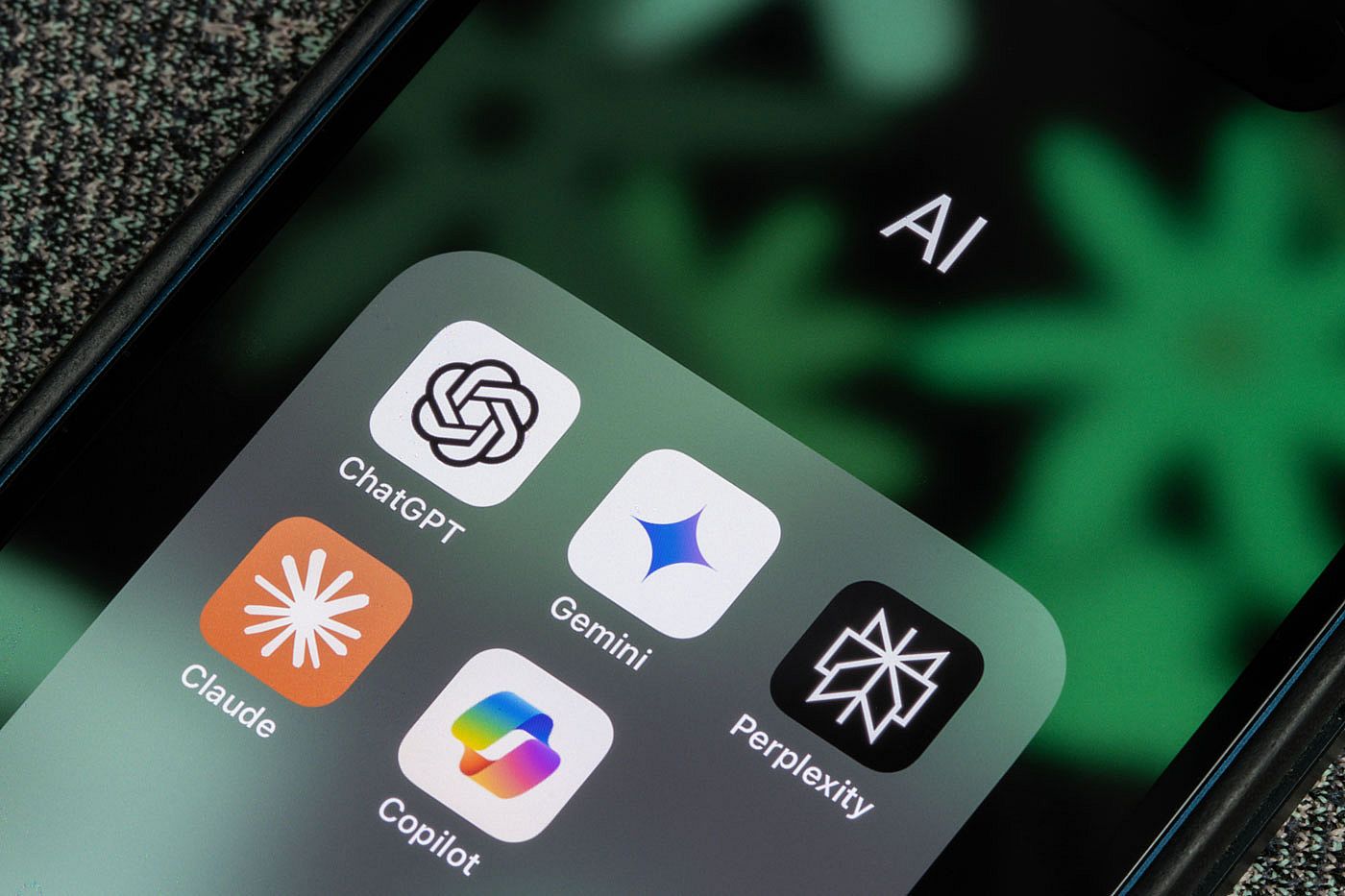
25 / 30A single AI chatbot query doesn't use much water on its own, but multiplied across billions of daily requests, the totals add up fast 鈥� though not everyone agrees on how much. A widely cited estimated that a chatbot built on a model the size of GPT-3 needs , mostly to cool the data centers running the calculations.
OpenAI itself has offered a far smaller figure: CEO Sam Altman that the average ChatGPT query uses about 0.000085 gallons of water, roughly a fifteenth of a teaspoon. OpenAI has also said ChatGPT fields ; multiplying that by Altman's per-query figure puts ChatGPT's global water use at roughly 200,000 gallons a day, or around 6 million gallons a month.
Independent estimates built on the original UC Riverside research suggest the real number could run tens of times higher than OpenAI's own figure, into the millions of gallons a day, since that research assumed less efficient hardware than today's models use. Shorter prompts and fewer unnecessary follow-ups use less energy, and with it, less water.

Canva
26 / 30It takes about to make a third-pound hamburger, most of it from raising cattle for the beef. Other water-footprint estimates put the figure for that same amount of beef, so treat any single hamburger stat as a reasonable ballpark rather than an exact number.
Snehit Photo // Shutterstock
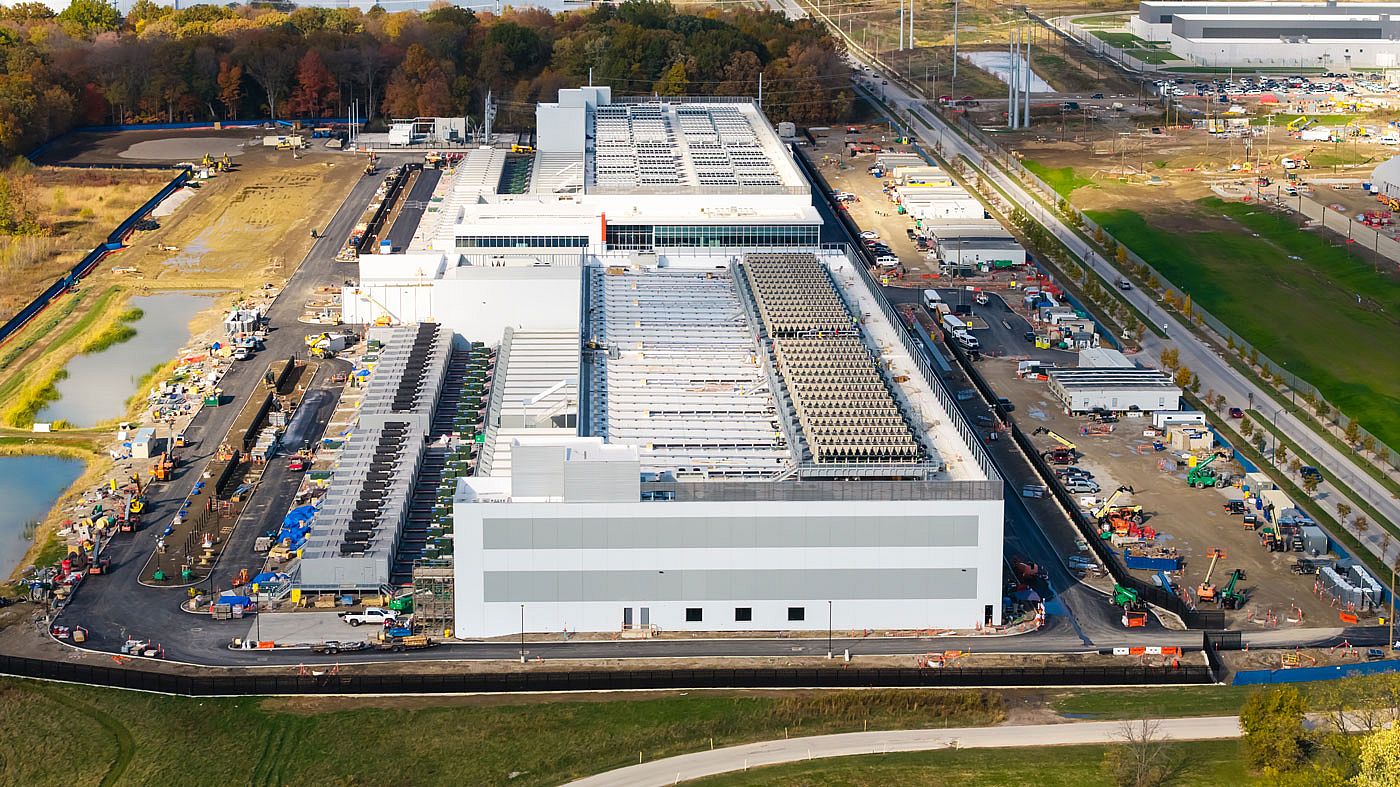
27 / 30Every other entry on this list measures how much water goes into making or doing one specific thing. This one doesn't play by that rule, and we're breaking it on purpose: AI's water use mostly happens at the scale of an entire data center, not a single product, so it doesn't reduce to one clean number the way a T-shirt or a hamburger does. We're including it anyway because AI and data centers have become one of the biggest flashpoints in the water conversation right now, sparking real lawsuits, public-records fights, and community pushback across the country 鈥� not a hypothetical concern, but an active one.
Meta's data center in Newton County, Georgia 鈥� now facing a who say construction contaminated their well water 鈥� uses about . Google's data centers in The Dalles, Oregon, only became public knowledge after the city ; they draw around and were pulling a third of the town's water supply by 2024. And in Memphis, the NAACP Elon Musk's xAI over its Colossus supercomputer, which is now getting an so it can cool itself without touching the aquifer the city drinks from. Zoomed out to the company level, Google's global data centers and offices used about 鈥� an average of just over 22 million gallons every day 鈥� as AI workloads pushed demand higher.

Canva
28 / 30You need about to make a single chocolate bar. The vast majority of that water goes toward growing the cocoa plants used to make chocolate. Luckily for chocolate lovers, it's not as wasteful as it sounds: most of the water used to grow cocoa is rainwater, thanks to the plant's ideal growing climate.

Canva
29 / 30A single dollar's worth of pet food requires about to produce. More than half of that water is used to grow the grains and feed the livestock used to make the ingredients, and the rest is used to make the food itself.

Canva
30 / 30A dozen eggs require 636 gallons of water to produce, meaning a to produce. Healthy chickens require water for drinking, and they also dine on a water-intensive grain feed.