The flood claim hiding in your policyholder鈥檚 driveway
The flood claim hiding in your policyholder鈥檚 driveway
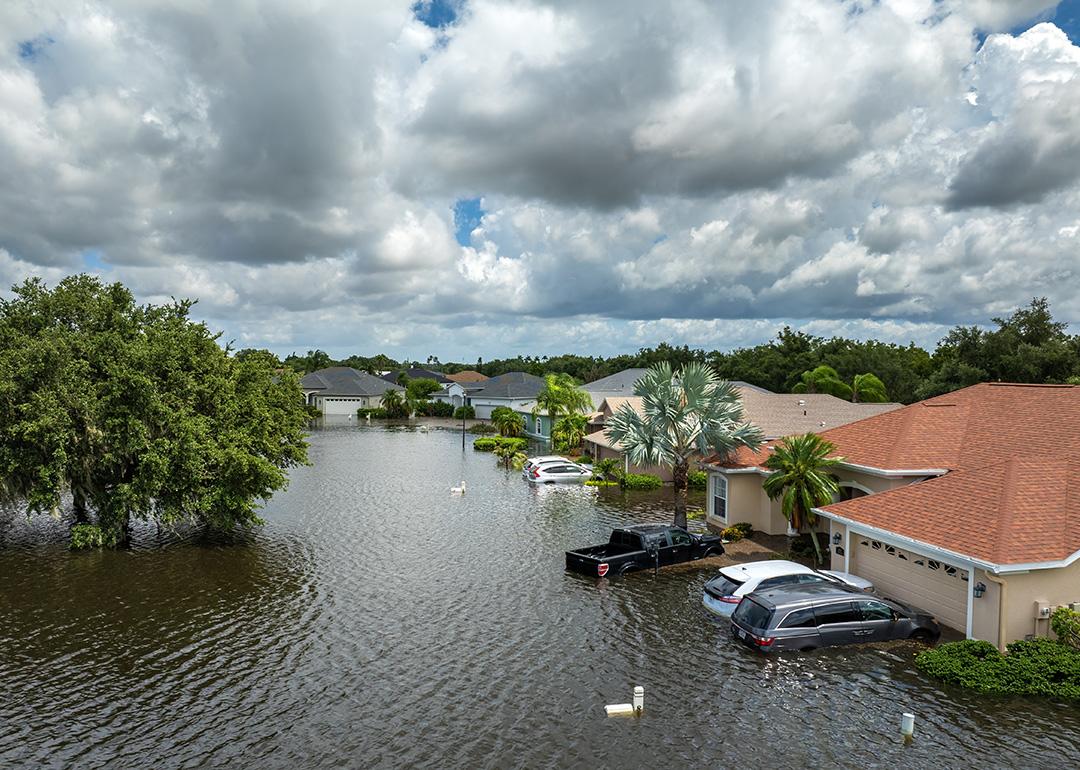
There鈥檚 a claim file on your table that鈥檚 from a policyholder in Tampa. They did everything right. They boarded their windows, packed what they could carry, and evacuated before the storm made landfall, as the alerts asked them to. They remained safe, and their house managed to make it, too. Their car, still carrying a loan, remained parked in their driveway and didn鈥檛 pull through so well.
This claim is one of several and is not very unusual. It doesn鈥檛 usually make the news, let alone the headlines. But if you鈥檙e an insurance carrier, this claim and others like it merit a closer look because these claims didn鈥檛 have to exist. In fact, these fall under the categories of preventable storm damage and claim losses you didn鈥檛 have to incur.
For the policyholder, the storm is the event. For insurance carriers, as explains below, the real storm happens when claims start landing in your claims department.
The numbers behind the claims file
Comprehensive coverage, which is what protects against flood and wind damage to a parked vehicle, is simple enough to process. That鈥檚 not really what bothers insurers; it鈥檚 the scale of the claims after the storm has passed that affects them the most.
Carfax estimates that Hurricanes Helene and Milton damaged about , and by August 2025, an additional were flooded by storms.
It鈥檚 also worth considering how little water is needed for a claim to happen. Just , and 12 inches can make them float away. A car doesn鈥檛 have to be directly hit by a hurricane to be damaged. It can simply be parked in a driveway that is a bit too low.
Each one of those cars is a potential claim, and most of them are from policyholders who did all they could.
How these claims translate into losses
According to the Insurance Information Institute, about . That means many of those 347,000 vehicles mentioned above turned into paid claims. This obviously hurts insurance carriers, but it also affects policyholders. , released in May, shows that a comprehensive claim raises a policyholder鈥檚 premium by 21% on average, or roughly $554 a year. While that may sound like the carrier gets its money back eventually, it doesn鈥檛 quite work that way.
The payout happens now, in a single quarter, all at once. The recovery trickles in over the years, one renewal at a time, and that happens only if the policyholder stays. This is a straight hit to the loss ratio, and it is for damage nobody could have avoided by driving more carefully because nobody was driving.
The fact is, these losses are completely preventable.
Prevention instead of payouts
Most disaster response efforts in this industry focus on what happens after a storm. They aim for faster inspections, more adjusters on-site, and quicker payouts. These are important, but they don鈥檛 prevent damage from occurring in the first place.
If you鈥檙e now wondering what can prevent a flurry of claims after a catastrophic event, you鈥檙e on the right track.
A hurricane parking program can step in to prevent damage before it happens. It would work in three phases.
- When a hurricane watch is issued, policyholders are notified of safe, covered parking options away from the storm鈥檚 path.
- The policyholder reserves a spot, drives there, and parks their car while there is still time.
- After the storm passes, they get an all-clear alert and go pick it up.
The vehicle moves before the storm arrives, so there鈥檚 no loss to report to adjusters.
That makes a real difference. A hurricane parking program can stop claims from happening altogether before any damage occurs.
What does that mean for the book?
A parking program like the one outlined above does not handle the claims process. It would manage parking and vehicle coordination, allowing a carrier to move thousands of policyholders to safety at once during an active event. This happens without adding extra work for a claims team that is already busy.
To be clear, a parking program won鈥檛 prevent every claim during hurricane season. However, moving vehicles to safety before landfall prevents total losses in the first place. When the number of damaged cars is a whopping 347,000, even a small percentage of vehicles moved away from danger can reduce claim losses to a reasonable extent.
That car in the driveway in Tampa? It didn鈥檛 have to become a claim. It just needed to be parked somewhere safe for three days.
was produced by and reviewed and distributed by 爆料TV.