How to spot an Amazon text scam and other common Amazon scams
How to spot an Amazon text scam and other common Amazon scams
If you鈥檙e reading this, there鈥檚 a good chance you鈥檙e one of the over people in the world who use Amazon 鈥� after all, who doesn鈥檛 love getting exactly what they need delivered to their doorstep in a day or two? While Amazon can be amazingly convenient, its popularity also makes it a good source of bait for scammers.
In this article, explains what to know so you can stay safe from Amazon scams.
Amazon Scams
There are probably a thousand different variations of , but when you boil it down, they鈥檙e almost all based on texts, emails, or phone calls. In order to be protected from any scam, here鈥檚 what to know and look out for.
Amazon Text Scams
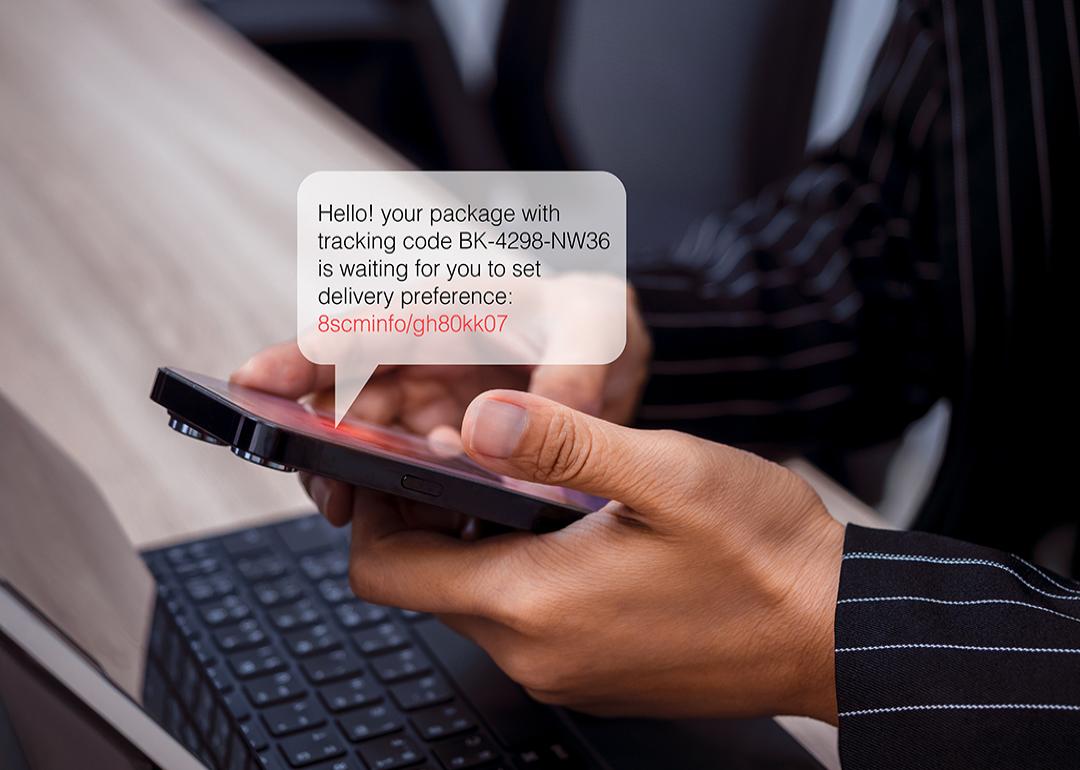
Whether you have an Amazon account or not, you鈥檝e probably received a text claiming to be from Amazon about your account, an order, or even a surprise giveaway you鈥檝e won. Exciting! Or rather, it would be if it weren鈥檛 a scam.
Amazon does send out official texts on occasion, but there are a few ways to spot fake texts from the real thing:
- Odd spelling or formatting: Scam texts are often full of spelling errors and weird formatting, like random spaces or foreign characters. This happens for a mix of reasons, primarily that A. many scammers are not native English speakers; and B. they will purposely use odd formatting to try to get their texts past automated spam filters.
- Seemingly random links: Another dead giveaway in Amazon text scams is that the links included usually won鈥檛 even look like a link to Amazon. Instead, it will often be some random jumble of numbers and letters, like 鈥渁1bC.co/DeF234ghi.鈥� If you know anything about scams, you鈥檒l know this is , and as always, you never click a link you aren鈥檛 certain about. Note: More sophisticated scammers can hide this better, so it鈥檚 best to just avoid links sent via text in general.
- Unknown or foreign numbers: Another easy way to tell if a text is a scam is if the , from a different country code, or shows up as a random email. For the most part, any texts actually coming from Amazon will be a shortcode, with the most common being 鈥�25392鈥� or 鈥�262966.鈥�
Remember, no matter how urgent a text seems, clicking a link or responding to the message is never going to be the play. Instead, if you鈥檙e unsure, navigate to your Amazon account through your regular browser, and contact them via their direct contact information.
Amazon Email Scams
Although scammers are increasingly sending text messages these days, they still churn out scam emails that occasionally manage to slip through spam filters. Whether it鈥檚 Amazon, , or any other popular company, these emails almost always tend to claim that there鈥檚 a problem with your account, credit card, or recent order, and of course include a phishing link that either tricks you into logging into a spoofed Amazon site and unknowingly giving up your login information, or potentially even downloading malware.
The tips for spotting a scam email are pretty much the same as fake texts, but with a few additional red flags:
- The email address isn鈥檛 actually from Amazon: If you get an email from Amazon, the first thing you should do is look at the actual email address of the sender. With scam emails, you鈥檒l notice that the sender often doesn鈥檛 have an email that looks like 鈥�[email protected]鈥� but instead will be something similar, like 鈥�[email protected].鈥� If you鈥檙e not paying attention, it might work, but if you know to look for it, it can be a quick and easy way to spot the email as a scam.
- No personalization: Because scamming is a numbers game, scammers don鈥檛 always put full effort into making the scams super realistic. For instance, actual Amazon support emails will address you with your name (either by 鈥渇irst name鈥� or 鈥淢r./Ms./Mrs. last name鈥�). If it just says 鈥淪ir/Madam,鈥� it鈥檚 probably a scam.
While certain scammers can go through the effort of making their emails look more realistic, 99% of the time, looking for these signs, plus the signs from the text scams, will keep you from falling victim.
Amazon Phone Call Scams
According to a on the scam trends, phone-based scams have taken over email scams, with a 71% increase in early 2025. Call-based scams aren鈥檛 new, but with the increasing effectiveness of automated spam filters for text and email, calls appear to be back on the featured scam menu.
Here are some ways to identify scam calls from Amazon directly:
- Don鈥檛 verify personal information: Amazon will never ask you to verify personal information over the phone, so if a call comes through asking for private information, hang up.
- Don鈥檛 give payment information: Again, Amazon won鈥檛 ask you to provide payment information for products or services on the phone. So if a supposed support agent asks for a credit card, gift card, or other financial information, you鈥檙e being scammed.
- Don鈥檛 fall for urgency: A scammer trick as old as time, a sense of false urgency can cause people to panic and ignore the signs of a scam. If you get a call from someone claiming to be from Amazon about an urgent issue like a compromised account, failed billing information, or some other problem, stay calm and don鈥檛 give any information. If you鈥檙e really worried, hang up and call a verified Amazon support number.
Other Amazon Scams and Amazon Text Scam Examples
If you know the general structure of text, email, and phone scams, you should be protected from most scams, whether they鈥檙e old, current, or yet to exist. That should keep you covered most of the time, but there are still a couple of other tricky ways scammers are finding victims.
Amazon Text Scam Examples
By now, you get the idea of what to look for when it comes to scams, but just to cover all our bases, let鈥檚 take a look at some of the most common Amazon text scams currently floating around.
- Charge confirmation: Currently, one of the most common scam texts reads something like the following: 鈥淵our card will be charged $xxx.xx for your last order #123456. Contact customer support immediately on [link, phone number, or email] if this charge was not initiated by you.鈥�
- Item confirmation: A similar alternative to the above charge confirmation is the charge confirmation with details about a specific item. This version generally reads: 鈥淵our card has been charged $xxx.xx USD for 鈥榌an expensive item like a TV]鈥� at Amazon on [date]. To cancel or get a refund, call us [phone number].鈥�
- Temporary account hold: Another common example includes texts about account holds that follow this general format: 鈥淲e have temporarily placed your account on hold. To restore your account, follow the instructions below [link]. Please complete the recovery within X days, otherwise your Amazon account will be permanently locked.鈥�
- Problem with your account: The next common example is a claim that there is a problem with your account information. Those texts look something like the following: 鈥淔rom: Amazon Customer Service. Message ID: 123456. Msg: We have detected a problem with your account information. Please verify your information is correct. Follow these simple steps to recover your account [link].鈥�
So, if you have a text claiming to be from Amazon that reads like any of the above, rest assured it鈥檚 a scam, and you鈥檙e safe to delete the message and block the number.
Fake Amazon Customer Support on Social Media
One of the latest scams that doesn鈥檛 involve classic channels of communication is via social media. These days, it鈥檚 not uncommon for people to turn to social media to complain or seek help from a company. Makes sense, except scammers realized that they can sift through all of the complaints and reply, pretending to be customer support. In this case, many people assume it鈥檚 actually Amazon鈥檚 social media support reaching out to help, leading them to give up private information.
Before interacting with a support account on socials, do some digging to ensure they鈥檙e actually who they claim to be, including verification and links to the official Amazon account.
Amazon Scam FAQ
Does Amazon Send Text Messages?
Yes, on occasion, Amazon does send text messages about updates on your orders, payments, deliveries, or account status.
What is a Real Amazon Text Phone Number?
If you get a text from Amazon, it will almost always be a short code number. For Amazon, these are most commonly 鈥�25392鈥� or 鈥�262966.鈥�
What Does a Fake Email from Amazon Look Like?
Outside of poor grammar and requests for payment information (both of which are clear signs of a scam email), fake Amazon emails will be from senders that don鈥檛 have [email protected] email addresses, and instead will be some close variation, like xxx@amzon, xxx@amazn, etc.
Would Amazon Ever Call Me?
On rare occasions, you might receive a call from Amazon. It鈥檚 important to know that Amazon will never ask for your credit or debit card details, or any other confidential information over the phone. If you鈥檙e suspicious, hang up and call the verified contact information found directly through Amazon.
was produced by and reviewed and distributed by 爆料TV.