Summer scams are heating up: Here are the red flags people miss
Summer scams are heating up: Here are the red flags people miss
As you toil away at work or school through the cold winter months, it鈥檚 nice to have a vacation to look forward to. You deserve a relaxing getaway to a white, sandy beach or the crisp, refreshing air of the mountains.
Here鈥檚 a hard pill to swallow, though: Scammers don鈥檛 take vacations.
In fact, summertime is the peak season for some types of scams. compiled a list of notable scams that spike every summer, a rundown of the ideal victim for scammers, and important ways to protect your finances.
Temperature Isn鈥檛 the Only Thing Heating Up This Summer
The primary draws for scammers during the summer months are vacations and recreational opportunities. Why? Because both of these factors can involve travel, sharing personal information, and making purchases鈥攁ll things that give scammers opportunities to swoop in and take the data they鈥檙e after.
Consumer spending and as people gear up for their summer escapes, and scammers are keenly aware of these seasonal trends. Whether they impersonate a vacation rental host, try to get you to make a fraudulent purchase, or straight-up steal your personal details, scammers know when and where to strike to get the best results.
Luckily, by being aware of the scams that tend to spike during the summer, you can stay ahead of fraudsters and spot them for what they are.
4 Scams That Spike Every Summer
Although government data on summertime scam spikes are sparse, if existent, a few data points from nongovernmental organizations are available. Coupled with governmental about the unique scam threats present during the summer, here are four scams you should be extra vigilant for in the present times.
The authors of this piece used data from software, the Federal Trade Commission, and the .
1. Travel Imposter Scams
Impostor scams are already big business for fraudsters; collectively, Americans , which is nearly three times the amount lost to them just five years prior. Impostor scams during the summer often involve people posing as travel agents, hotel workers, or others in the hospitality industry. According to Norton, imposter scams increase by up to 144% during the summer.
How to spot it:
- A scammer calls you, claiming they have an exclusive, time-bound deal for a summer vacation.
- A relative calls or sends a panicked message about needing funds to get a plane ticket out of a foreign country.
- A caller asks you to send gift cards or a wire transfer in order to cash in on your vacation.
What to do:
Hang up the phone and call the verified phone number of the organization (or person) who purportedly contacted you.
2. Gambling Scams
As more U.S. states legalize sports betting, scammers are taking note and launching gambling schemes of their own. Plenty of scammers try to clone the websites of reputable sports-betting agencies to get victims鈥� credit card information, but others attempt even more elaborate schemes.
How to spot it:
- A bookie or agent offers you a 鈥渨inning slate鈥� in exchange for money.
- An online ad doesn鈥檛 contain any fine print or disclaimers.
- An online ad contains nonsensical disclaimers.
- Websites charge you a withdrawal tax or levy to access your winnings.
What to do:
Only enter bets on verified, reputable websites. Report suspicious activity to the .
3. Claims of Unpaid Traffic Tolls
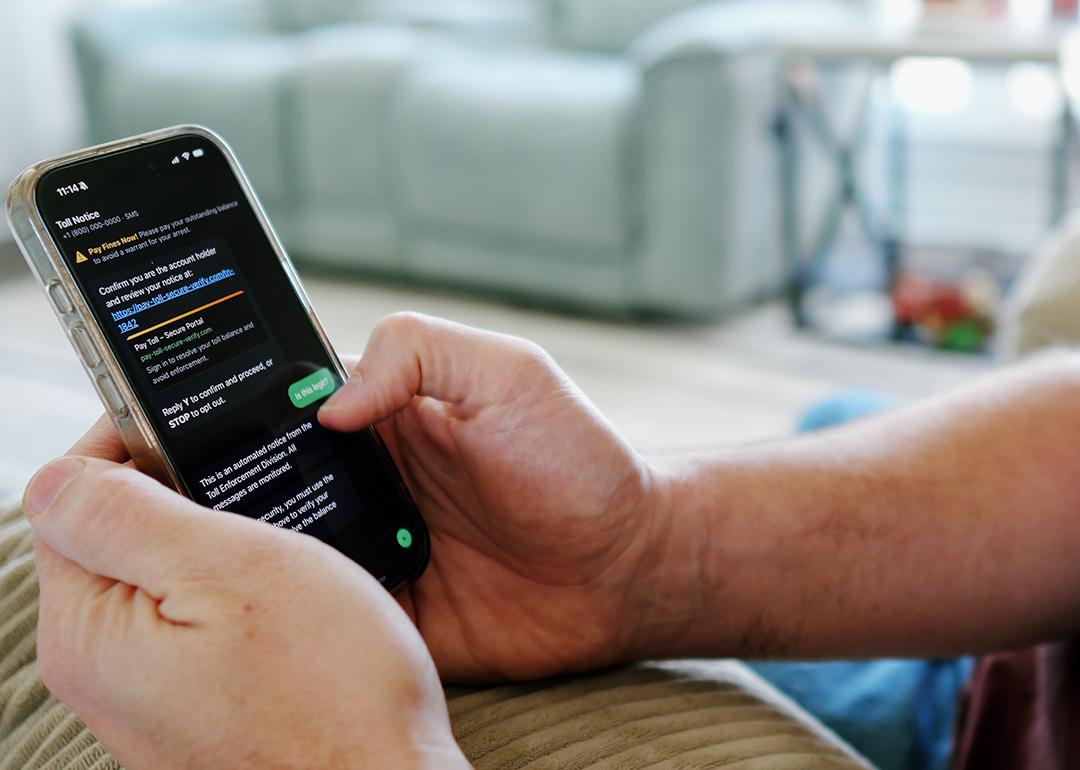
This subset of imposter scams almost always increases during summer, when families hit the road to their vacation destinations. The premise is simple: A fraudster texts or emails intended victims and 鈥渋nforms鈥� them of their outstanding toll balance. Unsurprisingly, immediate payment is requested to avoid catastrophic consequences, such as account suspension or even jail time.
How to spot it:
- Generic greetings, such as 鈥淒ear toll road user鈥� or 鈥淗ello E-Z Pass customer.鈥�
- The phone number may come from outside your state or country.
- The link takes you to an unsecured website.
What to do:
Avoid giving out sensitive information if you are unsure about a message鈥檚 authenticity. Contact the toll operator鈥檚 main customer service line.
4. Disaster Relief Scams
Ready for something really nefarious? Enter natural disaster relief scams.
As the summer months bring more volatile weather across the Americas鈥攈urricanes, floods, heat waves, and wildfires鈥攇ood-hearted people everywhere open their wallets to help those whose livelihoods have been affected. Scammers take advantage of this increased charitable activity and pose as workers from relief organizations. They then use any information gleaned from victims to their advantage.
Relatedly, scammers may pose as government employees offering public aid to storm victims.
How to spot it:
- The 鈥渘onprofit relief worker鈥� will often demand payment in cryptocurrency, wire transfer, or gift cards.
- The fake government employee requests your banking details before giving you money.
- You receive an unprompted phone call about a relief application you never actually filed.
What to do:
Refrain from giving out sensitive information to strangers. Check the authenticity of a nonprofit or government website by calling a verified phone number connected to the organization.
Who鈥檚 Most Likely to Be Scammed?
Conventional wisdom holds that the elderly population is more vulnerable to impostor and financial scams than younger, tech-savvy generations. And while older Americans than those under age 60, younger adults are actually to scammers.
These statistics show scammers鈥� ability to adapt to modern technology (such as generative AI) and tailor schemes to their intended audience. While scams can affect anyone, lower-income individuals and those with less formal education are and, therefore, impacted at greater rates.
How to Protect Yourself From Scammers Any Time of Year
The great news is that you have ultimate control over would-be scammers. Guard your identity and pocketbook with these preventative actions:
- Never send anyone your Social Security number or other sensitive personal information over the phone.
- Hang up on suspicious calls and contact trusted phone numbers to verify information.
- to reverse search emails, names and to double-check the identity of people who reach out to you.
- Have a secret word or phrase among family members for real emergencies.
- Report suspected scams to the FTC, your state attorney general, and, if necessary, your bank.
You Can Have the Last Word on Summer Scams
The summertime is a great opportunity for catching up on rest, relaxation, and recreation, but scammers are sure to be out in full force. Now is a great time to refresh yourself on the nuances of scams that tend to spike during the summer. A little extra vigilance could make a huge difference for you or your family this time of year.
was produced by and reviewed and distributed by 爆料TV.