Canva
1 / 3The Climate Impact of Faux Meat
Meatless options aren't new. Soy-based burgers and hot dogs have been available for decades, and people have been making bean burgers at home for even longer.
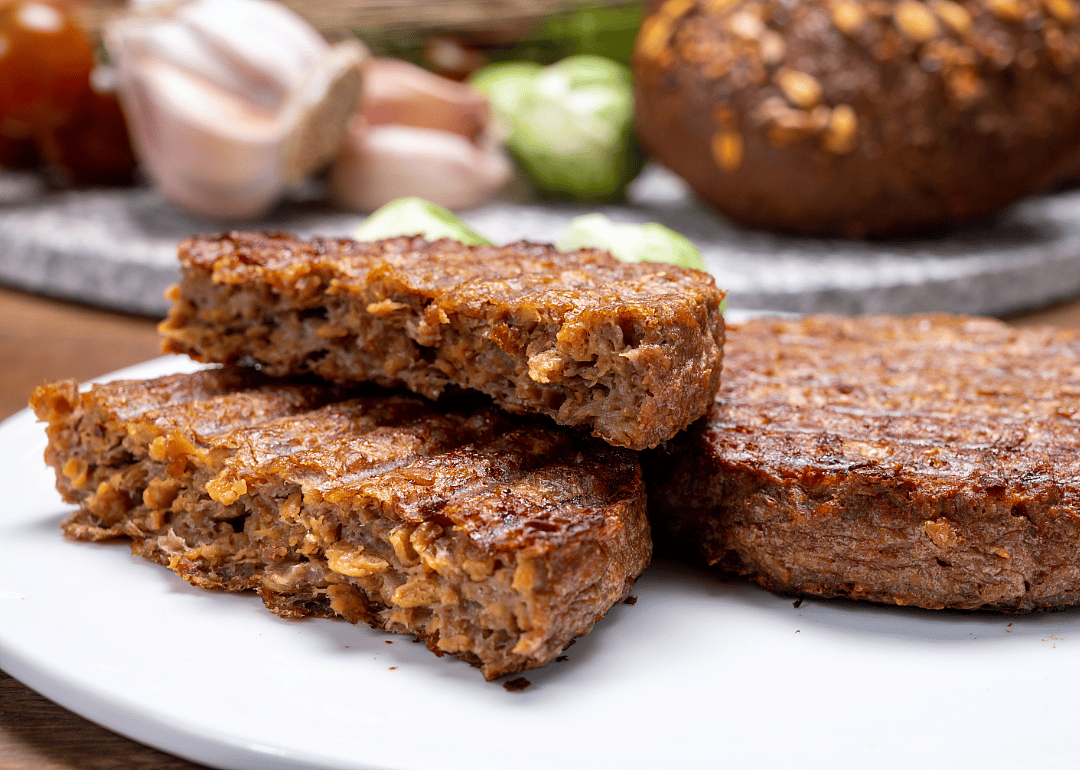
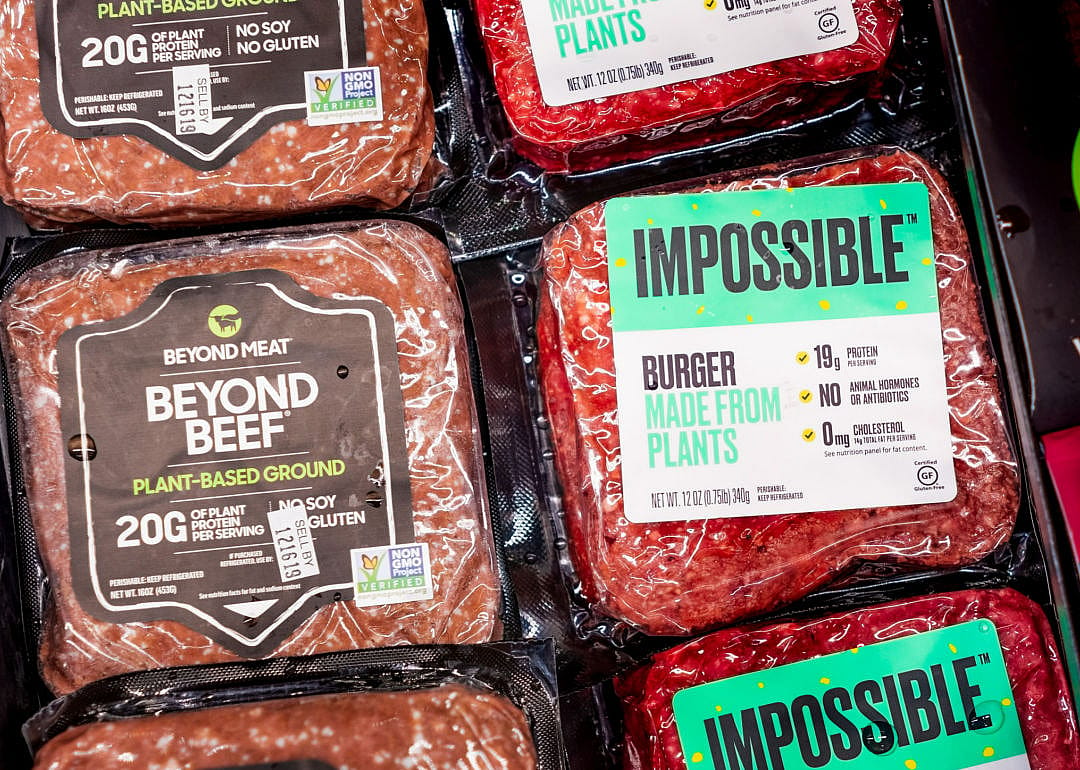
But food manufacturers are now creating plant-based substitutes that look, smell, and taste like actual meat, hoping to attract eaters who wouldn't otherwise consider a plant-based burger.
It's working. Today, meatless 颅options that are virtually indistinguishable from beef are widely available. And they're selling 鈥� a fact that pleases many healthcare experts.
"Fast-food restaurants are seeing an upsurge of requests, and people are actually eating them there, which is a good sign." says functional nutritionist Mary Purdy, MS, RDN. "I feel very hopeful and delighted that people are beginning to understand the effect of our food system 鈥� and specifically livestock production 鈥� on climate change. A cultural shift is happening."
Purdy's enthusiasm is tempered by other concerns, though. "I think the climate-conscious picture around food is quite complex," she says. "If we simply stop eating meat as individuals, or reduce how much we eat, that won't necessarily change the current agricultural system. And the processed foods that are used in the creation of faux meats do not necessarily lend themselves to environmental sustainability."
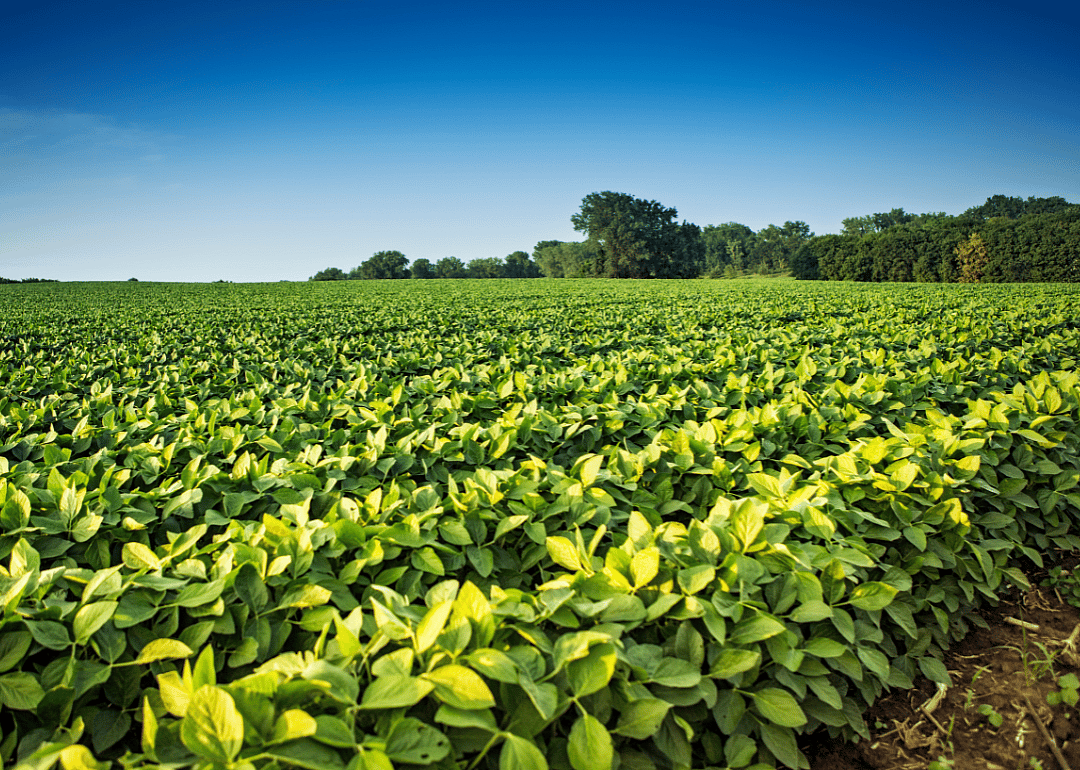
One such ingredient is , which is planted in the United States.
Soy is typically grown as a mono颅crop: One type of plant is cultivated in the same place, in wide swaths, year after year. Without diverse plant matter , it becomes depleted of essential nutrients and microbes, making the plants more susceptible to pests and increasing the need for chemical pesticides.
Soil with fewer nutrients and less microbial diversity also requires fertilizer 鈥� lots of it. Fertilizer releases nitrous oxide, a powerful greenhouse gas that increases planetary warming and damages the ozone layer. Levels of since the 1960s, when inexpensive synthetic fertilizers first appeared on the market.
In short, faux meat has a carbon footprint of its own. The average soy burger adds carbon dioxide to the atmosphere because of monoculture farming, while a beef burger made from a removes carbon dioxide by helping to build topsoil that sequesters it.聽
"Once you dig into [the connection between and agriculture], you find out there's a lot more than just plant-based versus animal-based protein," says nutritionist Katie Morra, MS, RD, IFMCP. "In the grand scheme of things, a processed-meat substitute is likely a better option than a feedlot-beef patty, but compared to regeneratively raised beef, it may not take the cake."
of all animal foods. that in countries where average meat consumption is high ("arguably too high to be healthy," says Hodges), reducing meat consumption can improve the household carbon footprint.
"Instead of switching to industrialized faux meats," says Hodges, "I would steer people toward increasing their whole-plant food intake 鈥� especially varied, colorful vegetables, nuts, seeds, whole grains, lentils, and beans. There are plenty of ways to fake a 'meaty' meal with plant options like portobello , vegetable and nut patties, and well-seasoned legumes."