Border wall plans threaten rural infrastructure and cross-border life in Big Bend
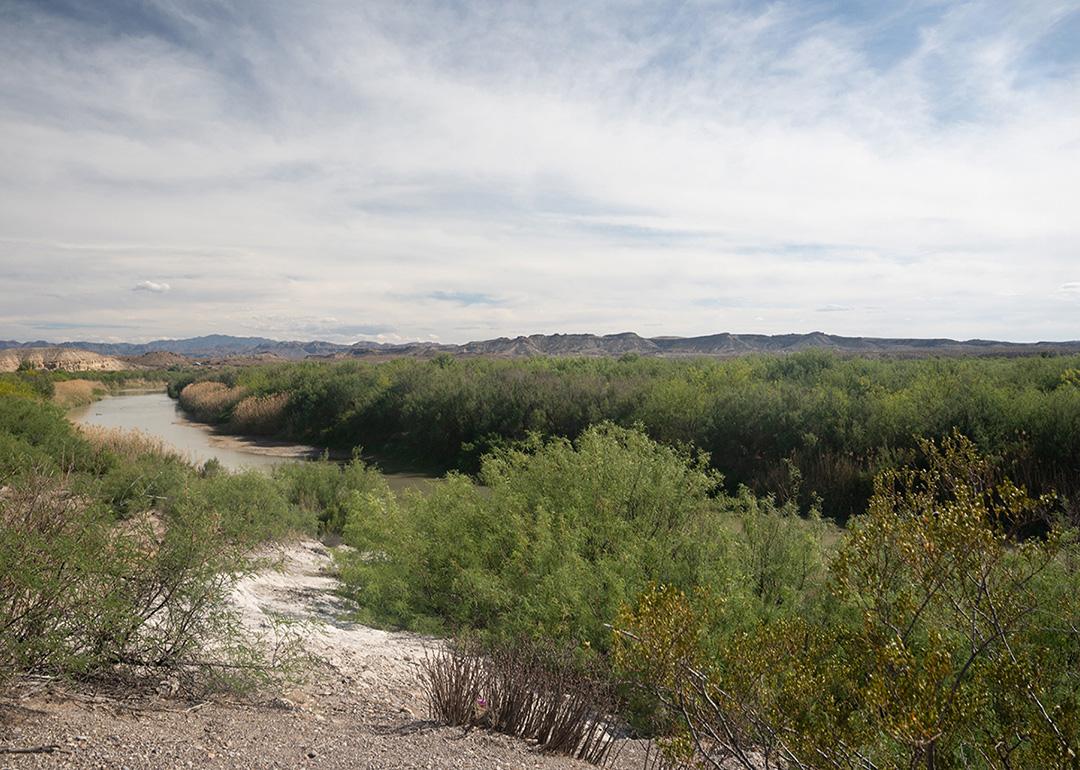
Federal plans to build a steel border wall across remote stretches of West Texas are now taking shape in the Big Bend region, despite a lack of federal transparency surrounding the project. Even as officials originally confirmed that no physical border wall will be built through and , construction just west of the parks, threatening rural border communities whose economies and cultures are built on cross-border ties.
, the federal government also moved to accelerate that broader buildout. U.S. Customs and Border Protection awarded a $1.7 billion contract for a 鈥渂order wall in Big Bend Texas,鈥� alongside a separate contract tied to environmental monitoring for construction activity in the region.
At the same time, the Trump administration of environmental and cultural protection laws to fast-track new border roads, vehicle barriers, and surveillance infrastructure across parts of the Big Bend region, including protected stretches of the Rio Grande corridor. With few public details released, residents and conservation the process has remained opaque, fueling uncertainty about the long-term fate of the region鈥檚 ecosystems, tourism economy, and protected public lands.
Local residents warn that the impacts will not stop at the park boundaries; increased infrastructure and nearby wall construction could still disrupt ecosystems and daily life across the region.
That concern is especially acute in Presidio, a rural border town of roughly 3,000 residents west of the parks, where federal plans for new steel barriers are still moving forward. The community faces a poverty rate , far above the of about 14%, and depends heavily on cross-border economies with Ojinaga, the larger Mexican city directly across the river. For many in Presidio, the proposed wall would transform their daily lives.
from U.S. Customs and Border Control have offered few details about how construction could affect the international checkpoint, and residents say they still have little clarity about the future of border crossings.
鈥淧eople are surviving here in Presidio,鈥� Denisse Carrera, a Presidio resident, told . 鈥淲e depend on Mexico for a lot of our necessities. That鈥檚 where we get groceries and other things we can鈥檛 always find here because we only have one grocery store. Sometimes it鈥檚 also more affordable in Mexico. Yet they want to spend $17 million per mile on this wall, which I think is about 575% more than our city鈥檚 annual budget.鈥�
A $1.2 billion federal contract awarded for border wall construction in Presidio County would cost an per mile. The Big Bend Sector, which the Department of Homeland Security defines as a 500-mile stretch of border in Far West Texas, has one of the quietest regions along the border, consistently recording some of the of migrant apprehensions and smuggling activity.
But even if the crossing remains, the wall construction alone could threaten access to Ojinaga.
Historically, floods have damaged local levees and closures of the international bridge connecting Presidio and Ojinaga. Residents and local officials that a 30-foot steel wall along the Rio Grande could worsen future floods by trapping debris and interfering with the city鈥檚 already-fragile flood-control system in a region prone to flash flooding and river surges. They said federal agencies have yet to provide adequate engineering or hydrology studies despite the area鈥檚 history of devastating floods.
In response, the city commissioned an independent flood-risk assessment and has continued pressing federal officials for answers.
鈥淭he City of Presidio is partnering with the Presidio Municipal Development District on this study because protecting the people who live here, on both sides of the river, is our job, and right now, no one else is doing it,鈥� said Presidio Mayor John Ferguson, in a press release. 鈥淲e have asked the federal agencies responsible for this levee for straight answers about what is being proposed, and we have not gotten them.鈥�
Across the broader Big Bend region, concerns about safety and environmental damage have only intensified as new border infrastructure has already begun appearing along the river.
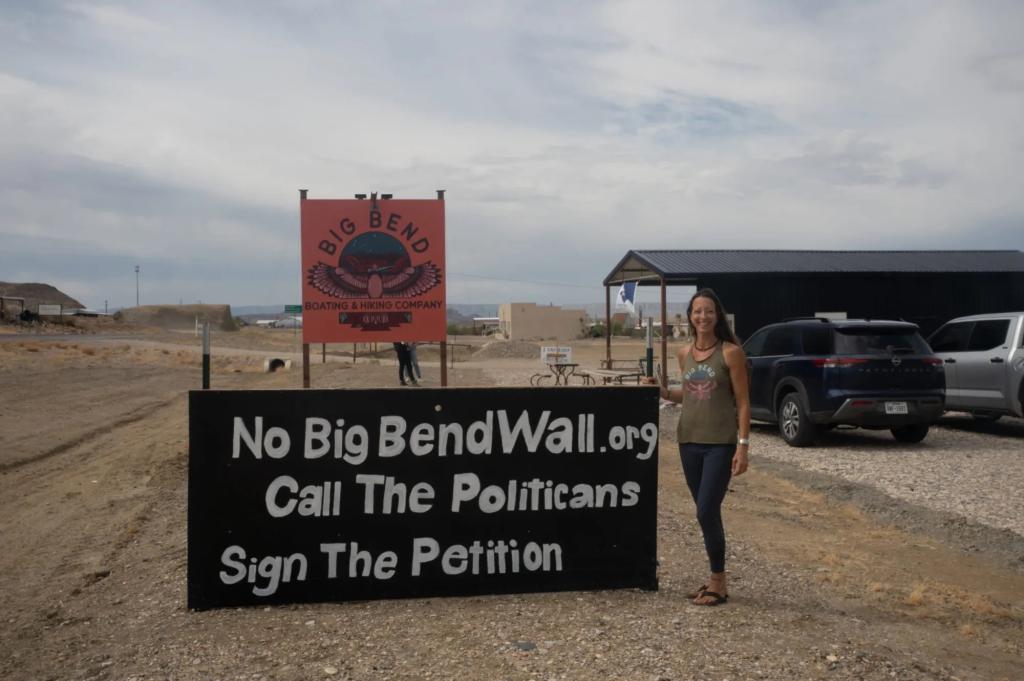
In October 2025, the U.S. Army and Border Patrol of concertina razor wire along the Rio Grande in Presidio, underneath the , prompting criticism from locals who worry the razor wire could come loose during the river鈥檚 annual summer floods.
鈥淚 think that that wire could go downstream easily,鈥� said Erin Little, owner of the , pictured below. 鈥淎nd I think it threatens anybody who鈥檚 in the water.鈥�
Charlie Angell, owner of and a longtime Rio Grande river guide, said the dangers could extend deep into the canyon systems of Big Bend.
鈥淭hese logs that float down during flash floods are going to catch in that razor, rip out chunks of it, and keep floating downstream, going into all the canyons in the state park and all the canyons in the national park. And then anytime somebody jumps in the river to cool off, they鈥檙e gonna get slashed,鈥� Angell said. 鈥淚t鈥檚 not a matter of if, but when.鈥�
To many residents, the militarization of the river feels disconnected from the reality of life in the Big Bend.
鈥淩azor wire is for war zones, and this is one of the most peaceful places I鈥檝e ever set foot in,鈥� said Tony Drewry, a Rio Grande River guide with Angell Expeditions.
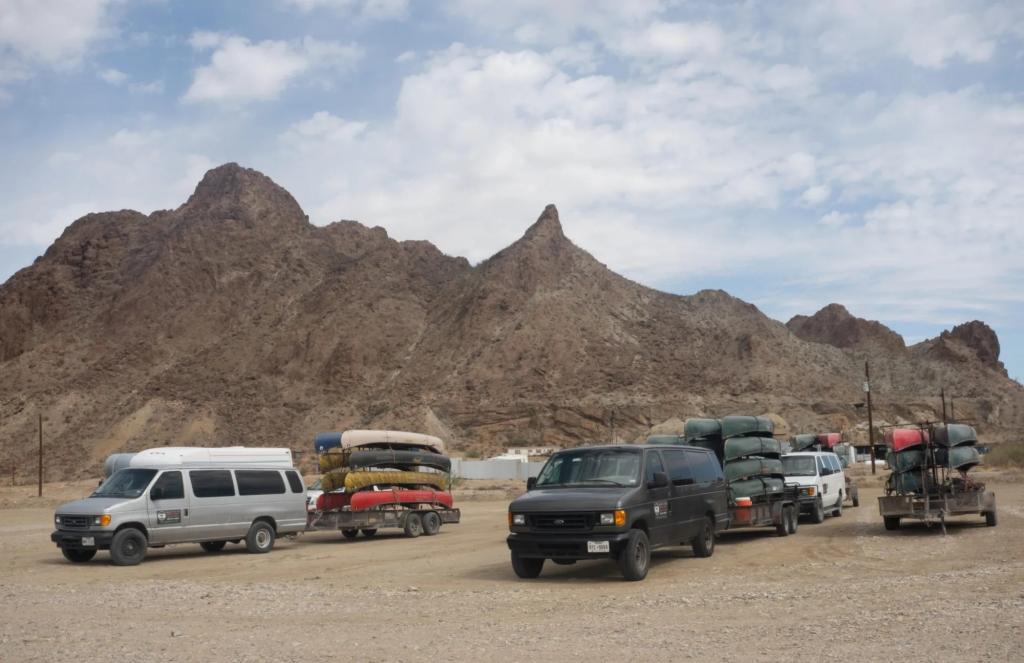
Beyond environmental concerns, residents also fear the wall could undermine Presidio鈥檚 delicate but growing tourism economy.
In October 2024, Presidio resident Yosdy Valdivia opened an art gallery, , hoping to contribute to her community鈥檚 industry. Now, she worries the wall could undermine those efforts before they fully begin.
鈥淚鈥檓 barely getting started with this dream of mine, and this [wall] would kill tourism. This will kill the town,鈥� Valdivia, pictured below, said. 鈥淪o I just don鈥檛 know how they鈥檙e not really taking the business and wildlife and all that into consideration.鈥�
Like many residents in Presidio, Valdivia鈥檚 personal life is deeply intertwined with Ojinaga.
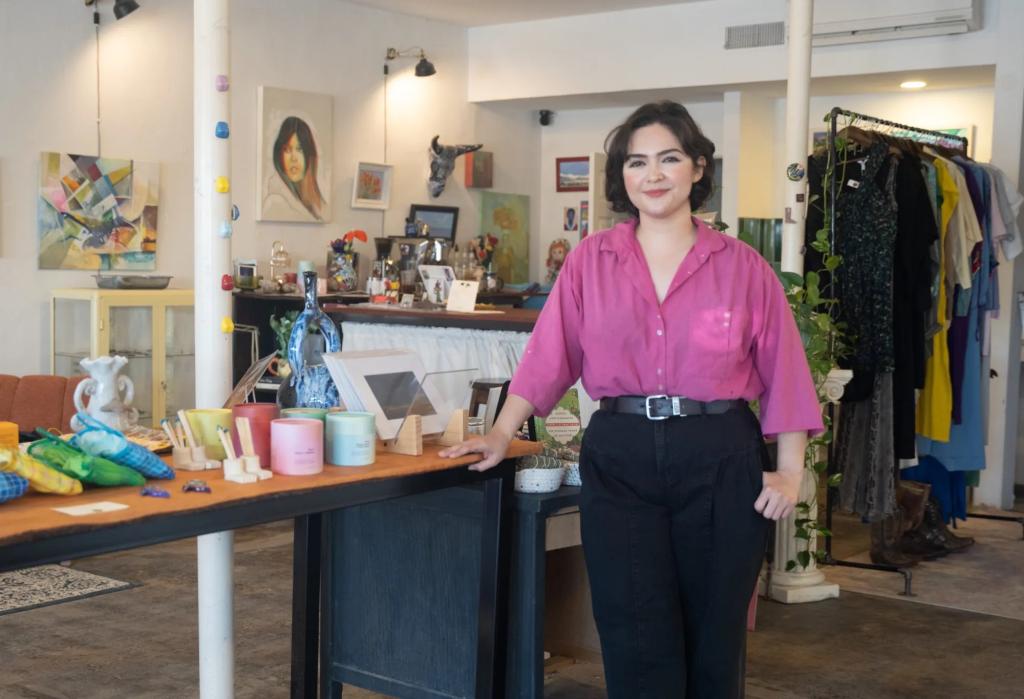
鈥溾�嬧�媅The border] is my everyday life. I go to Ojinaga every day for groceries, visiting family, and for school. I have my son at the daycare. My family lives there, it feels like we are in the same town,鈥� Valdivia said. 鈥淚鈥檓 still in shock trying to imagine a wall here.鈥�
Compared to other Far West Texas towns, Presidio鈥檚 community opposition has been relatively subdued, a tone that some attribute to fear around the current immigration landscape.
In April, the city of Presidio passed a resolution opposing construction of the border wall.
鈥淲e had a lady in the audience who did not speak English, and so we had the whole resolution in Spanish, because our Presidio community needs to get more engaged,鈥� said Mayor Ferguson at a Presidio County Commissioners meeting in April. 鈥淚 think they鈥檙e intimidated.鈥�
Valdivia works alongside the coalition and is also relying on the cross-border connection to spread awareness and reach out to the Spanish-speaking residents.
鈥淲e鈥檙e planning to do some radio commercials in Ojinaga,鈥� Valdivia said. 鈥淲e don鈥檛 listen to the Marfa radio here, because we mostly speak Spanish. So we listen to the radio in Ojinaga.鈥�
鈥淎 lot of people are afraid of the government. They think they鈥檙e going to remove their green cards, or I don鈥檛 know how they think it鈥檚 going to affect them, but they鈥檙e truly scared,鈥� said Valdivia.
For Mayor Ferguson, that fear has heightened his responsibility to the community.
鈥淔or those of us who have that authority and that representation, we need to come together immediately and fly into action and represent everybody here in the Big Bend,鈥� Mayor Ferguson said.
Presidio resident Denisse Carrera said she hopes these voices in Presidio are heard across the state and country. With the scale of disruption only growing, Carrera said she often thinks about what鈥檚 at stake.
鈥淚鈥檝e been seeing the Milky Way every morning,鈥� Carrera said. 鈥淎nd I just keep thinking why do they want to take this away?鈥�
was produced by and reviewed and distributed by 爆料TV.