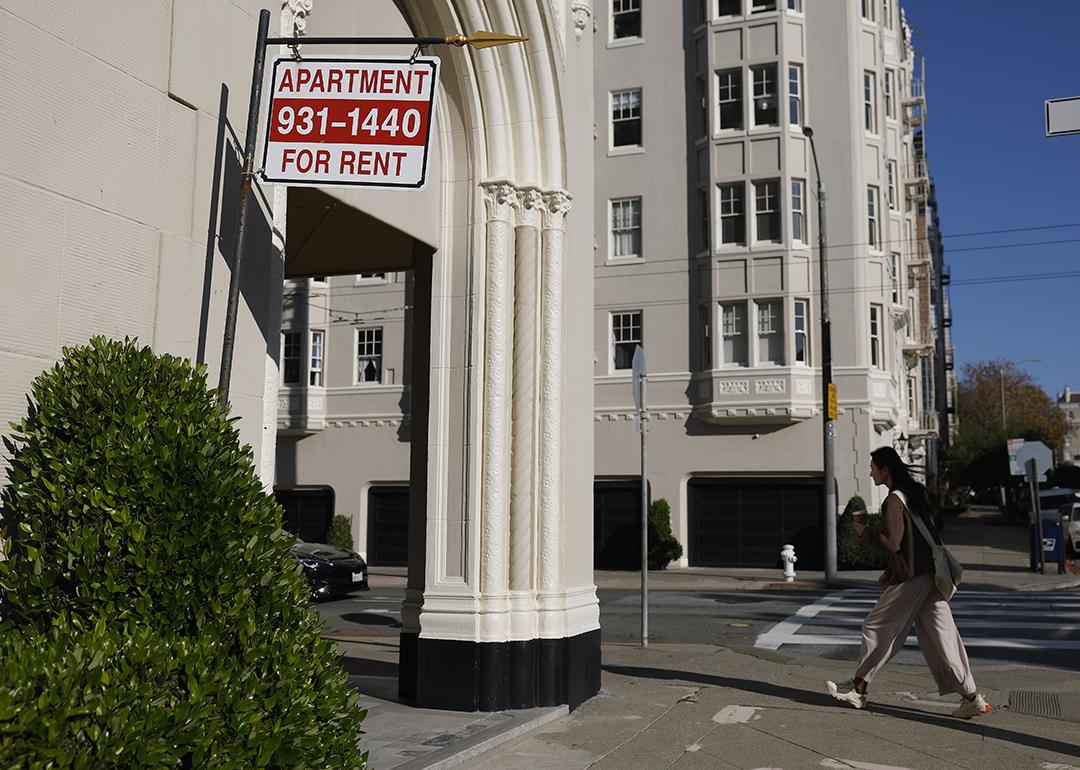
Can cities make landlords care about energy efficiency?
Can cities make landlords care about energy efficiency?
With the federal government retreating from climate action, cities and states have increasingly stepped in to ease emissions and address the crisis. But new research finds that those efforts often fail to reach renters 鈥� one of the largest and most vulnerable segments of the housing market 鈥� leaving a persistent gap in local climate policy. examines how local governments are trying to close it.
Roughly one-third of U.S. households rent, according to of Census Bureau data 鈥� about 46 million in all, and they tend to be lower-income. Yet many rebates, incentives, and other programs aimed at improving energy efficiency or getting a home off of fossil fuels are targeted at landlords, even though it鈥檚 tenants who usually pay the utility bills.
Those programs often focus on upgrades like installing heat pumps or higher-efficiency appliances, or improving insulation. But because property owners typically don鈥檛 cover day-to-day energy costs, they have little motivation to make those investments, even when they would lower emissions and reduce tenants鈥� bills. Economists call this dilemma a 鈥渟plit-incentive,鈥� and Dovev Levine, who runs the New England Municipal Sustainability Network 鈥� a group of about 40 collaborating municipalities 鈥� says this quandary is not uncommon.
鈥淭he issue of split incentives comes up every single meeting,鈥� he said.
Researchers at Binghamton University in New York wanted to better understand how state and local governments are addressing this. They interviewed dozens of officials from around the country and published their findings earlier this month in the journal Energy Research & Social Science. Only about half of the 59 officials they interviewed said their agencies offered initiatives aimed at improving energy efficiency in rental units.
鈥淎 lot of meaningful upgrades remain undone,鈥� said Kristina Marty, a professor at Binghamton and a coauthor of the study. 鈥淲e鈥檙e kind of writing off this kind of very big sector of the residential market.鈥�
That does not shock Levine. What he鈥檚 found more surprising is that combating the problem remains 鈥渁 pretty novel effort.鈥� Renters aren鈥檛 always a priority for city planners and managers, but Stefen Samarripas, who works on local policy issues at the nonprofit American Council for an Energy-Efficient Economy, says that has started to change over the last decade or so.
鈥淚 have seen that more local governments are starting to wrestle with this idea,鈥� he said, noting that progress has been particularly noticeable in recent years. 鈥淚 think there鈥檚 been a lot more interest and emphasis.鈥�
Samarripas has seen municipalities implement a number of effective strategies. One approach is engaging with landlords when they are making replacements, repairs, or renovations and encouraging them to choose more efficient options. If a furnace breaks, for example, state or local governments can help lower the cost of installing a heat pump.
Highlighting the benefits of efficiency in common areas is also important. 鈥淚n many rental properties, there is going to be some energy cost that the owner is responsible for,鈥� said Samarripas. While weatherizing a building may largely save tenants money, landlords stand to gain as well.
Funding also plays a key role. Alachua County in Florida makes available based on either a renter鈥檚 or owner鈥檚 qualifications. Minneapolis per building. Other jurisdictions also offer low or zero-interest financing to help.
Even when help is available, navigating those resources 鈥� or finding out about them at all 鈥� can be difficult. In October 2025, that provides individual consultations to help address this challenge. The city plans to deliver $300 million in benefits through the initiative by 2027.
Sometimes, though, even the biggest incentives aren鈥檛 enough. Marty鈥檚 study found 13 jurisdictions that turned to regulations to address the issue. In most cases, the laws applied only to new construction or major renovations, though some target existing housing stock. Burlington, Vermont, wasn鈥檛 included in this latest research, but in 2021, the requiring that rentals gradually become more efficient.
鈥淒espite rebates, we weren鈥檛 seeing a lot of change,鈥� Jennifer Green, director of sustainability for the Burlington Electric Department, said about the decision to go the regulatory route. 鈥淭his is one of the tools in the government鈥檚 toolbox.鈥�
That tactic won鈥檛 work everywhere. In Florida, for instance, . Still, Samarripas remains hopeful that renters will be increasingly taken into account as municipalities develop climate policies.
鈥淚鈥檓 optimistic about being able to address these issues,鈥� he said, pointing to the ingenuity of the government officials he鈥檚 worked with. 鈥淭hose folks have really stretched their minds and worked to be creative and innovative in how they鈥檙e approaching this problem.鈥�
was produced by and reviewed and distributed by 爆料TV.