Michigan AG won鈥檛 appeal decision to drop charges against 2020 'false electors'
Michigan AG won鈥檛 appeal decision to drop charges against 2020 鈥榝alse electors鈥�
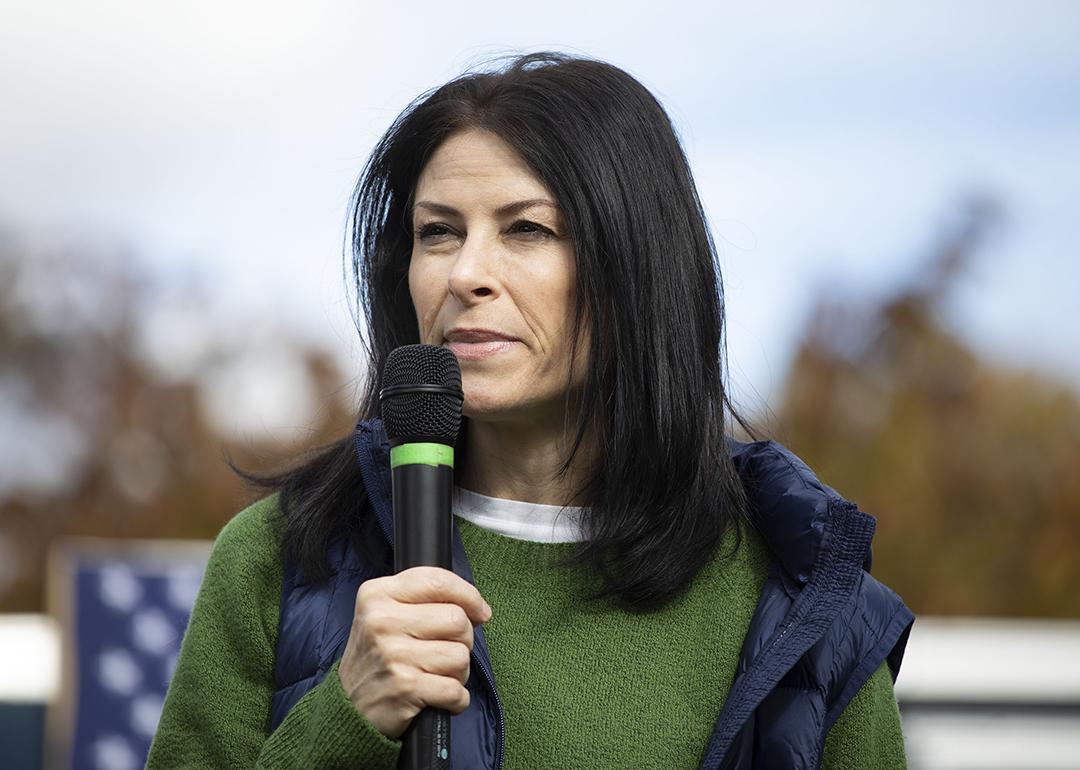
Michigan鈥檚 so-called 鈥渇alse electors鈥� case is over after Attorney General Dana Nessel announced March 9 she would not appeal a judge鈥檚 decision to dismiss the charges faced by 16 individuals who signed documents attempting to certify Michigan鈥檚 slate of electors for Donald Trump in 2020, despite Joe Biden鈥檚 victory in the state, reports.
In a , Nessel said that she still believes false electors committed crimes, but concluded that the resource-intensive case would be unlikely to ultimately succeed. She also said it was 鈥渇undamentally unjust鈥� to continue prosecuting lower-level participants in an effort she said was led by the now President Donald Trump, who she said is unlikely to ever face his own criminal charges.
鈥淲e considered that Michigan鈥檚 Republican elector nominees, who eventually became Michigan鈥檚 false slate, did not design or demand this criminal conspiracy. As shown by the Report of Special Counsel Smith regarding these matters, this was indeed Trump鈥檚 criminal conspiracy,鈥� the report said. 鈥淭he dismissal of the false slate charges does not change the facts, and it does not change history. What Michigan鈥檚 false slate did was wrong.鈥�
The White House did not immediately respond to a request for comment.
The individuals charged in July 2023 鈥� primarily with offenses related to forgery 鈥� included Stan Grot, the Shelby Township Clerk, and Meshawn Maddock, former co-chair of the Michigan Republican Party and wife of State Rep. Matt Maddock. Charges against one of the 16 were earlier dropped as part of a cooperation agreement.
Votebeat reached out to several of the now-former defendants but did not immediately hear back Monday.
Judge Kristen Simmons, of the 54-A District Court in Lansing, defendants in September. Simmons, an appointee of Gov. Gretchen Whitmer, said she felt there was not sufficient evidence from the prosecutors to prove the alleged 鈥渇alse electors鈥� had criminal intent.
Simmons ultimately decided not to bind the case over for trial, meaning she believed prosecutors had not presented enough evidence at the preliminary stage to move the case forward.
The report details that prosecutors believe an appeals court would have sided with Nessel鈥檚 office on the argument that forgery is not just a property crime, as Simmons had found. But proving that element of criminal intent Simmons highlighted could have been 鈥渕ore complicated.鈥�
The unusually detailed report exists 鈥渢o ensure that the full record of what happened, and why it mattered, is fully and accurately documented,鈥� according to its opening lines, even though the criminal case will not move forward.
Legal experts say it鈥檚 rare for a state attorney general to publish such an in-depth report after declining to file charges. In other states 鈥� including , and 鈥� false elector cases have been dismissed, narrowed or otherwise stalled without a comparable public explanation. Trump last year issued a for dozens of people involved in efforts to overturn the results of the 2020 election, including the so-called false electors, but his pardon power doesn鈥檛 extend to state charges.
That Nessel, who is term-limited and will leave office Jan. 1, chose to publish such a sweeping report underscores how politically and emotionally charged the issue remains five years later, said Derek Muller, an election law professor at the University of Notre Dame law school.
鈥淭here are a lot of people who were duped with misinformation with respect to the results of the 2020 election,鈥� Muller said. 鈥淭here鈥檚 a righteous anger after what happened. But you can have righteous anger and still not have criminal activity, and I think that鈥檚 just sometimes the difficulty of situations like this.鈥�
was produced by and reviewed and distributed by 爆料TV.