Platner鈥檚 exit from Maine鈥檚 Senate race leaves Democrats in a deep financial hole
Platner鈥檚 exit from Maine鈥檚 Senate race leaves Democrats in a deep financial hole
Maine Democrats have plenty of questions about who will replace Senate nominee Graham Platner on the ballot. But one thing is clear 鈥� his successor will start from a severe financial disadvantage, reports.
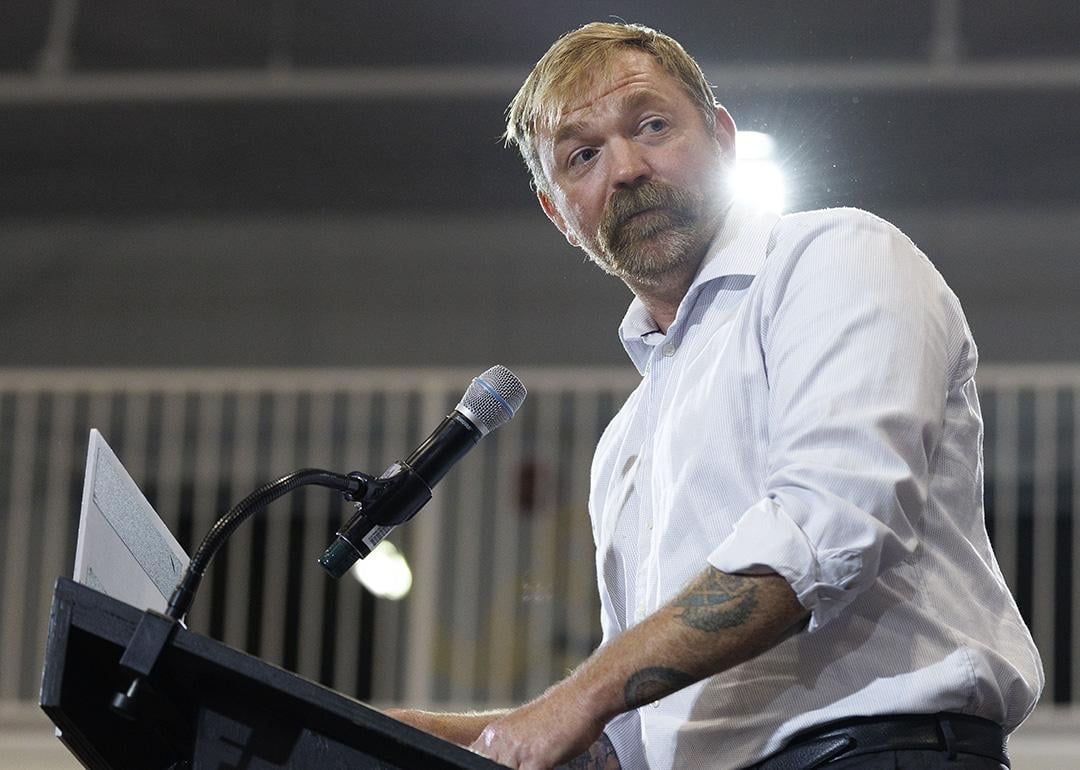
Platner鈥檚 withdrawal amid a sexual assault allegation has triggered a scramble over who will replace him and exposed a deeper problem 鈥� a financial crater left behind in a pivotal race Democrats view as central to their hopes of regaining control of the chamber.
Before his populist campaign unraveled, the 41-year-old combat veteran and oysterman through May 20 and held nearly $2.2 million in cash on hand, according to filings his campaign submitted to the Federal Election Commission before the June 9 primary. While that cash total falls well short of the $10 million banked by Republican incumbent Susan Collins 鈥� who in 2020 kept her seat even though Democratic challenger Sarah Gideon 鈥� it nevertheless dwarfs every potential Platner successor.
State party officials said they will to select a new nominee, with details on the timeline and mechanics to be announced later. Under , Platner faced a July 13 deadline to withdraw, and the party has until July 27 to replace him. The scramble has set off a whirlwind of political drama that University of Maine political scientist Mark Brewer says obscures a deeper issue.
鈥淓verybody鈥檚 focusing on who the replacement鈥檚 going to be, but 鈥� even beyond that, no one鈥檚 paying attention to the money yet,鈥� Brewer told OpenSecrets.
Platner, who won the primary despite a series of controversies, faced growing calls to exit the race following a that a woman he formerly dated accused him of sexually assaulting her in 2021. Platner has denied the allegation, and did so again in the posted July 8 in which he announced the suspension of his campaign with the intention of withdrawing from the race. With the deadline looming, he said the accusation weighed on him and his campaign.
From a financial standpoint, most of Platner鈥檚 potential replacements will effectively be starting from scratch.
Gov. Janet Mills 鈥� whose profile as a quintessential establishment candidate sharply contrasts with the populist appeal Platner previously enjoyed 鈥� appears to be in the best financial position of all to challenge Collins, and she hasn鈥檛 raised a penny in more than two months. After receiving support from Senate Minority Leader Chuck Schumer (D-N.Y.), she April 30 amid fundraising concerns 鈥� but reminded voters before the primary that she as controversy around Platner grew. Her roughly $717,000 is about one-third of Platner鈥檚 鈥� and 13 times smaller than Collins鈥� bankroll.
Mills鈥� 2022 gubernatorial campaign has . That鈥檚 not the case for several other potential replacements who ran for state office earlier this year. But , any money they raised in those races in a federal race.
That means former state Senate President Troy Jackson cannot use the he reported earlier this year when he unsuccessfully ran to replace Mills as governor. Jackson, a , July 7 to launch an exploratory committee for a Senate run, then within minutes of Platner鈥檚 announcement.
Similarly, Maine Secretary of State Shenna Bellows may not touch the $. Bellows 鈥� the state鈥檚 Democratic nominee for Senate in 2014, when she lost to Collins 鈥� ended that campaign with in cash on hand. Her , according to the FEC, but as of July 9 she had not announced her plans.
And Nirav Shah, the former director of the state鈥檚 Center for Disease Control & Prevention who finished second in the primary for governor, said anyone seeking the Senate nomination and multiple town halls and committed to do precisely that 鈥渋f I run.鈥� But he can鈥檛 use the $275,000 . As of July 9, Shah had no presence on the FEC website.
鈥淲hoever it is going to be, they鈥檙e going to be significantly behind Susan Collins, and almost certainly, they鈥檙e going to be at a significant disadvantage to Collins throughout the entirety of the race,鈥� Brewer said.
There also isn鈥檛 an easy way to make up that much financial ground just three months before Election Day, Brewer said, noting that those time constraints mean any fundraising efforts will have to lean heavily on established relationships with past donors and party-aligned groups.
鈥淭here鈥檚 really no game plan for this, because it鈥檚 kind of unprecedented to a certain degree,鈥� Brewer said.
One option that鈥檚 probably off the table: asking Platner to send over the cash his campaign has in the bank.
His exit leaves him with several options for his war chest. OpenSecrets reached out to the campaign asking about its plans for those funds but did not immediately receive a response.
Under , candidates who accept pre-primary contributions for the general election but do not participate in it have 60 days to return or redesignate any contributions they received earmarked for the general. that while Platner received roughly in itemized individual contributions, only about $587,000 of that total was designated for the general election. However, most of Platner鈥檚 fundraising came in the form of unitemized individual contributions 鈥� those small-dollar donations under $200 鈥� and FEC records do not publicly break those down by election.
He may pay the campaign鈥檚 bills, donate the remaining funds to charity, save them for a future bid for office or contribute them to a state or local candidate in accordance with state law. But he isn鈥檛 allowed to simply hand all of it over to his successor: Federal law at $2,000.
Yet a week-old Supreme Court decision to a possible workaround: In , the court on how much political parties can spend in coordination with candidates. Because the law allows candidates 鈥� even those who have withdrawn 鈥� to transfer unlimited amounts to any national, state or local party committee, it is theoretically possible that Platner could send what鈥檚 left of his cash to a Democratic Party entity, which could then coordinate a spending strategy with the chosen candidate 鈥� whoever it winds up being.
Then again, with the state party accusing Platner鈥檚 team of trying to 鈥� in the process of picking his replacement, it is fair to wonder whether such a transfer 鈥� and any potential influence that may accompany it 鈥� would be welcomed or accepted. OpenSecrets reached out to party officials for comment but did not immediately receive a response.
鈥淚f he can get the money to the DNC, then they can certainly spend it in coordination with whoever the candidate is,鈥� Brewer said. 鈥淭here鈥檚 no doubt about that, right? The Supreme Court鈥檚 made that part clear.鈥�
was produced by and reviewed and distributed by 爆料TV.