Ro
1 / 1Seasonal Affective Disorder (SAD)
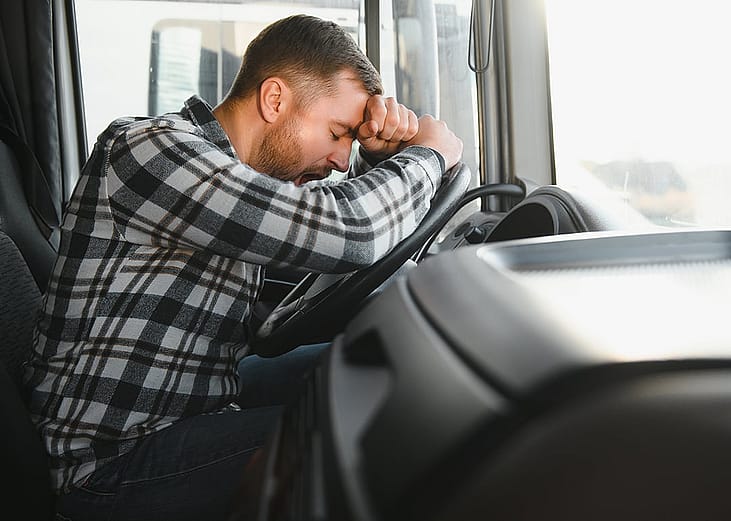
, often referred to as , is a mood disorder characterized by depressive episodes that follow a seasonal pattern. It often impacts people during the winter, when daylight hours are shorter, though it's possible to experience SAD during other seasons, too. SAD is typically marked by symptoms such as sad mood, low energy, oversleeping, overeating, and weight gain. It can lead to more serious complications like social isolation, strained relationships, and worsened physical and mental health.听
Though there aren't any studies looking directly at the relationship between SAD and ED, shows a significant link between depression and ED. In addition to erectile issues, major depressive disorder is also issues in other aspects of sexual functioning like libido, arousal, orgasm, and satisfaction.听
If you take medication for seasonal (or year-round) depression, your medication could also be to blame for any winter erectile dysfunction. Antidepressants (particularly selective serotonin reuptake inhibitors or SSRIs) are just one type of . (That being said, always keep in mind to discuss all the medications you are taking with your healthcare provider to see if any of your medications might be a cause for your symptoms.)
Worsened Chronic Conditions
Interestingly, ED may have a seasonal component because it's significantly linked to that peak during wintertime, including type 2 diabetes, , or CAD , and hypertension. The seasonality of these associated health conditions may be the most powerful contributing factor to winter erectile dysfunction. In the aforementioned听Google Trends study, the researchers posit that "the mechanisms underlying the seasonal patterns of ED are likely due to its associated comorbidities and risk factors."听
Even if you don't suffer from one of these diseases, they could be on the horizon. 听shows that ED symptoms tend to precede other CAD symptoms by 2-3 years and a cardiovascular event (e.g. heart attack, stroke) by 3-5 years. Since ED can be the first symptom of an underlying vascular or heart disease, the recommends that people dealing with ED should recognize that this condition is linked to overall and heart health, so a more complete health check-up may be appropriate at the onset of ED.
Less Physical Activity
Seasonal shifts in your lifestyle can also contribute to increased ED symptoms in the winter. For one, there's a good chance you're less physically active in the winter (58% of U.S. adults are, according to a 2020 survey by the )鈥攁nd that could be affecting your ability to .听
shows that physical activity and exercise () are with ED. from 2009 found that less active men had approximately 40% to 60% greater odds of ED compared to active men.听
Staying active can both protect against ED and help improve symptoms if you are already experiencing it. Conversely, lack of movement and a more sedentary lifestyle can also , all of which are significantly associated with ED.听
Poor Diet听听
Similarly, eating a more unhealthy diet can impact your sexual health and functioning. As for nutrition, shows that a higher-quality diet鈥攕uch as one that's rich in vegetables, fruits, nuts, legumes, and fish or other sources of healthy fats and lower in red and processed meat鈥攊s linked to a reduced risk of developing ED.听
can impact food choices and diet quality from season to season (think: culture, location, holidays, etc.), but there's some evidence suggesting people tend to consume and eat during the winter than in the summer. If your winter diet tends to be a little more indulgent鈥攑erhaps a bit more full of (e.g. red meat, alcohol, processed items, high-sugar or high-sodium foods)鈥攊t's possible your eating habits could also play a role in your down-there difficulties.听
Weight Gain
Put less physical activity and worse eating habits together, and you'll likely get weight gain, which is, unfortunately, not good for ED. Like CAD, , and hypertension, obesity is also closely linked to ED. A pound or two gained over the winter may not dramatically tip the scales, but if you gain a more significant amount of weight and edge closer toward developing obesity, it may have a more significant effect. The 2009 study mentioned earlier found that men with either a high waist circumference or an obese body mass index, BMI, (30 or above) had approximately 50% higher odds of having ED compared to men with a low waist circumference or a normal BMI (18.5鈥�24.9).听
How to Prevent or Treat Winter Erectile Dysfunction听
The for winter erectile dysfunction will depend on the root cause.听
ED (and especially winter erectile dysfunction) can often be traced back to conditions or factors affecting the health of your whole body. For that reason, the recommended initial treatment generally is to improve overall health status through lifestyle interventions: getting more physical activity, improving your diet, , drugs, and , and controlling diabetes, blood pressure, and cholesterol. Similarly, if your healthcare provider believes the cause of your winter (for example, SAD), they may advise counseling with a qualified mental health professional.
Otherwise, the first line of treatment for ED tends to be , a class of medications that work in part by relaxing blood vessels and increasing blood flow. They're effective for ED caused by a wide range of issues (including CAD, diabetes, and hypertension) and are , with an overall success rate of up to 76%.听
鈥攁ll of which require an Rx from a healthcare provider and are oral pills鈥攊nclude:
- ()听
- ()
- (formerly available as brand-name Levitra)
- (avanafil)
You can find some PDE-5 inhibitors in other forms as well, such as dissolvable tablets and .
If PDE-5 inhibitors aren't a fit for you, your healthcare provider might discuss other treatment options, such as and .
Viagra Important Safety Information:
Cialis Important Safety Information:
Bottom Line: Winter Erectile Dysfunction听
ED is a common condition affecting about 40% of men by age 40 and 70% of men by age 70. Though we don't (yet) have rock-hard (pun intended) evidence confirming it's true, ED may vary seasonally, with symptoms appearing to become more prevalent in the wintertime. If you think you're dealing with seasonal sexual difficulties, here are the need-to-know basics:听
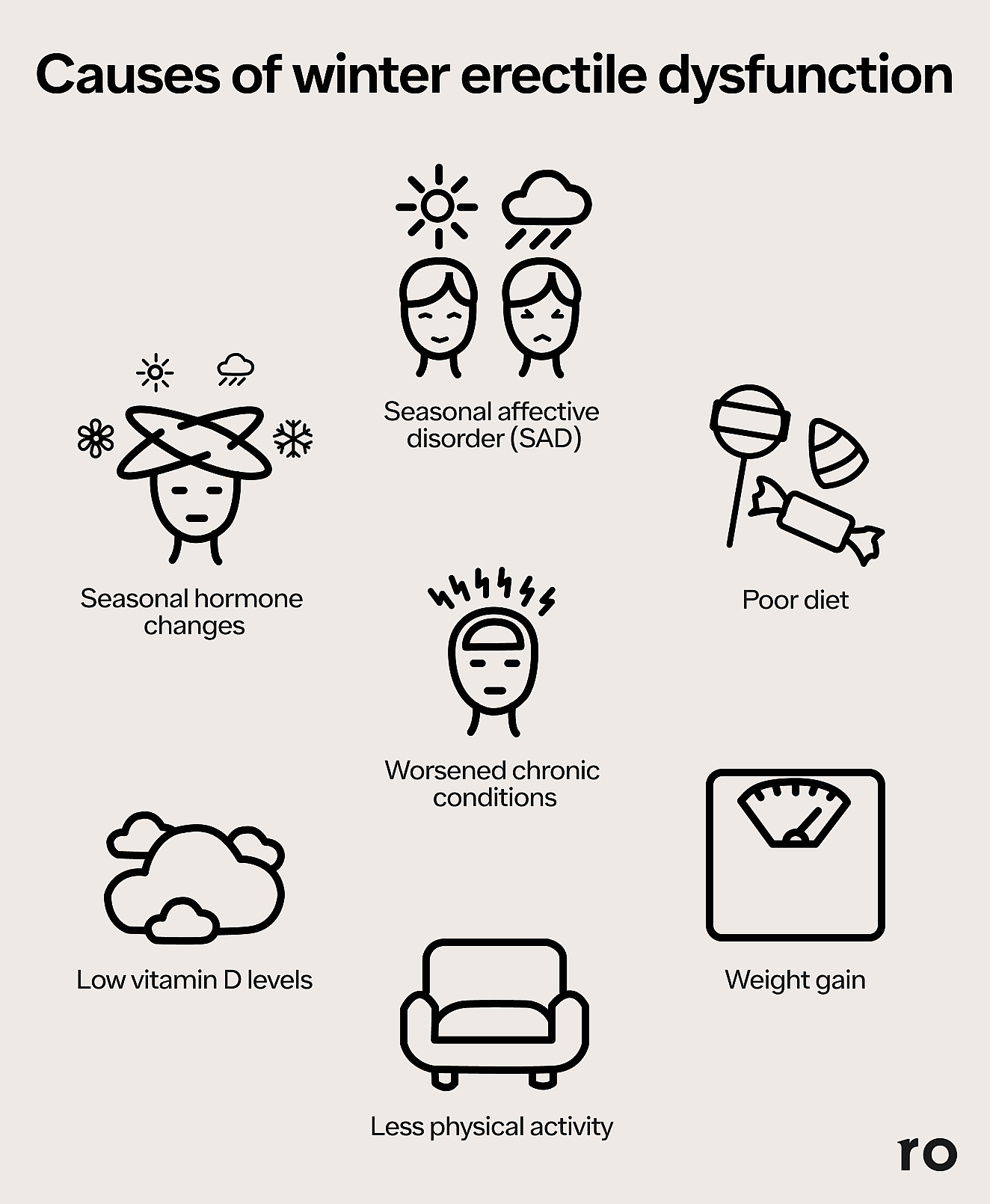
- Winter erectile dysfunction could be caused by a variety of factors, including seasonal hormonal fluctuations, low vitamin D levels, seasonal depression, or lifestyle changes like reduced physical activity, worse eating habits, or weight gain. Many of these potential culprits are also linked to the most powerful predictors of ED: chronic health conditions, including heart disease, hypertension, and diabetes.
- If you're dealing with winter erectile dysfunction, step one is to see a healthcare provider. They can help determine the root cause and then prescribe the most appropriate treatment. Lifestyle changes are typically the first line of defense, followed closely by PDE-5 inhibitors, a class of medication that includes () and ().
- If your ED only shows up when the temps cool down, you may be tempted to just ignore it and wait until spring blossoms鈥攄on't. Since ED can be an early warning sign of CAD and other health conditions, it's a good idea to get your health checked out regardless. It could just be the winter blues, but you're better safe than sorry.