1 / 36
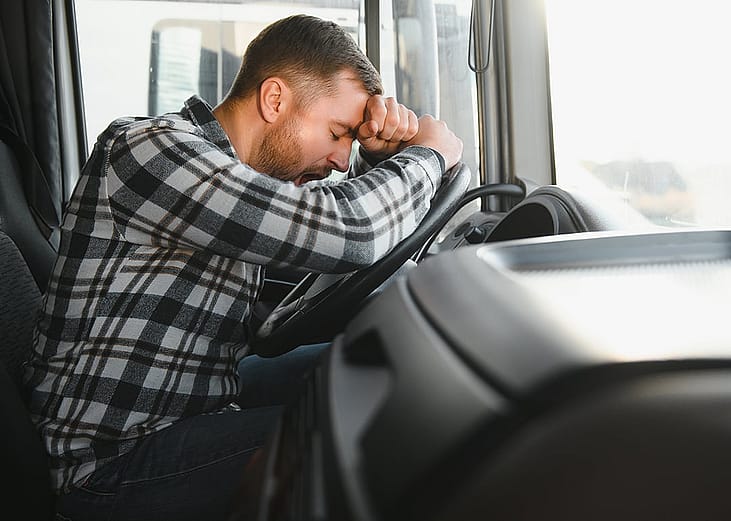
鈥淟ong haulers鈥� have fatigue
Mayo Clinic that people with 鈥渓ong haul鈥� COVID-19 are likely to experience fatigue. This can range from low level, episodic fatigue to full-on chronic fatigue syndrome, doctors believe.
听

Experts estimate that the United States alone could have hundreds of thousands of patients with long-term effects of COVID-19. These patients, often called "long haulers," continue to see symptoms ranging from heart complications to rashes, causing researchers to seek answers down many different paths. 爆料TV has compiled 36 facts about "long haul" COVID-19 patients, from symptoms to demographics, using data from the Mayo Clinic, The Atlantic's COVID Tracking Project, and new sources.
Many "long haul" COVID-19 patients have symptoms similar to chronic fatigue syndrome (CFS). They may have debilitating fatigue, brain fog, and even the same challenges that existing CFS patients face when trying to communicate their needs to doctors. Researchers believe many CFS cases come from a viral infection of some kind, and they've pointed out that diagnoses of CFS rise after almost all pandemic events.
SARS in particular has offered today's researchers a way to begin understanding "long haul" COVID-19 patients. Do symptoms that last for months after initial COVID-19 infection necessarily last forever, or will they improve with time or treatment? Doctors must be ready to really listen to patients with these symptoms, but instead, patients have reported having difficulty being taken seriously. This is already a problem people who suffer CFS are familiar with. And that women and minorities already face inferior medical care compared to white men, an issue that predates COVID-19 but has been highlighted during the pandemic and will continue to be a problem in its aftermath.
There are also overlapping effects from "long haul" COVID-19 in different body systems. The heart, for example, may be damaged by the way the virus works and then further weakened by autonomic changes to the heart's rhythms and damage to the blood vessels. For patients who fear they're experiencing "long haul" or resurging COVID-19 symptoms, the best idea is to talk to a trusted doctor as soon as possible in order to understand and mitigate harm. This could involve physical therapy, medical treatment, and more.
Read on to learn what we know about CFS and other potential long-term effects of COVID-19.
You may also like: Here's why caring for an aging parent is taking a toll on women in the 'sandwich' generation
Mayo Clinic that people with 鈥渓ong haul鈥� COVID-19 are likely to experience fatigue. This can range from low level, episodic fatigue to full-on chronic fatigue syndrome, doctors believe.
听
People who have contracted like seizures, strokes, and Guillain-Barre syndrome. They may also be more likely to have cognitive illnesses like Alzheimer鈥檚 disease or Parkinson鈥檚 disease in the long term.
The group considered for up to five months. Even after that, their recovery is often spotty and marked by setbacks.
In a study of 143 , 53% had fatigue and 43% had even after two months. Researchers believe this could be related to the lung damage and scarring that COVID-19 causes. The expected duration of a COVID-19 case that鈥檚 not 鈥渓ong haul鈥� is about two weeks.
Patients with "long haul" COVID-19 infections as one of their major lingering symptoms. "Long haul" cases tend to have been mild at first, so this pain is probably from lung damage and scarring rather than ventilator complications.
听
You may also like: Are you mentally healthy? 15 signs to look for
Emerging data on 鈥渓ong haul鈥� COVID-19 patients suggests they . Researchers will have to do more work to understand why this is, but it has implications for how 鈥渓ong haulers鈥� will be treated.
The CDC finds that 1 in 5 ended up with prolonged problems afterward. The of those with 鈥渓ong haul鈥� COVID-19 infections is just 44. That鈥檚 well below the age range considered highest risk for severe cases of COVID-19, and the set of symptoms is very different. The overall group is also healthier than average, with far fewer hospitalizations for their main symptoms.
People with 鈥渓ong haul鈥� COVID-19 cases report much , concentration problems, and sleep problems. Symptoms like 鈥渂rain fog鈥� and fatigue compound and leave many of these 鈥渓ong haulers鈥� less able to work, for example.
A study of COVID-19 patients in Germany found that more than up to three months and beyond after their original COVID-19 infection. Researchers don鈥檛 yet understand the extent of these abnormalities.
The PHOSP-COVID study in the United Kingdom of 10,000 COVID-19 patients for a year. Researchers will take measurements and conduct tests to monitor how patients recover and bounce back during the year.
You may also like: Digestive issues are on the rise in the US. Here are 5 of the most common conditions.
Patients with 鈥渓ong haul鈥� COVID-19 symptoms report as well as headaches. Researchers tentatively believe this could be related to inflammation both during the initial COVID-19 symptoms and in the long tail of lingering symptoms.
People with 鈥渓ong haul鈥� COVID-19 cases are of serious symptoms that fit with chronic fatigue syndrome, also called myalgic encephalomyelitis (ME/CFS). Researchers believe ME/CFS is often caused by viruses, and say there are typically increases in cases following pandemic events around the world. Symptoms can also mirror those of fibromyalgia, mast cell activation syndrome, and other chronic illnesses.
People with 鈥渓ong haul鈥� COVID-19 symptoms . Researchers don鈥檛 know yet if this is temporary or even medium term.
Based on numbers of documented 鈥渓ong haul鈥� COVID-19 cases today, there are 鈥減robably just in the United States. As these patients pour into doctors鈥� offices for longer term medical care, they could create a secondary hospital crunch.
A study of patients in Austria reported that dropped from 88% of patients after six weeks to just 56% after 12 weeks. That means more than half of the patients still had visible lung damage after three or more months.
You may also like: 5 key mental health trends from the 2025 State of Mental Health Report
Patients with 鈥渓ong haul鈥� COVID-19 cases can have health problems . This can cause long-term organ damage and should be taken very seriously.
Patients with 鈥渓ong haul鈥� COVID-19 symptoms . Women and especially women of color are likely to experience even more pushback.
Patients who are hospitalized and end up intubated for ventilation just from the consequences of ventilation. This can include loss of muscle or nerve function that must be rebuilt over many months.
Patients with 鈥渓ong haul鈥� COVID-19 symptoms report having persistent coughs for months after their initial infection. This is likely related to scarring of the lung tissue.
People who have caught and survived COVID-19 by treatments like ventilation and other emotional consequences because of the nature of the illness and treatment. They may also be more likely to have depression or anxiety afterward.
You may also like: Data shows medication-assisted treatment works for opioid use disorder鈥攕o why aren't more people getting it?
People with 鈥渓ong haul鈥� COVID-19 symptoms are likely to have . These include ripples through the digestive or circulatory systems that, in healthy people, operate almost totally unnoticed.
In a of a major group of 鈥渓ong haul鈥� symptom sufferers, almost 91% reported that they weren鈥檛 recovered 40 days or more after COVID-19 infection. The duration of average 鈥渕ilder鈥� cases has hovered around two听weeks.
People with 鈥渓ong haul鈥� COVID-19 symptoms are more likely to have a . This could be because of the way COVID-19 harms blood vessels or autonomic responses in the body.
A small study found that more than a third of its 33 subjects had . This research is likely to be followed by larger, more comprehensive studies of the prevalence of scarred lung tissue.
In images from months after their initial infections, many patients of the heart that researchers believe could increase the long-term risk of heart failure. They found this result even among patients with "mild" cases.
You may also like: Kidney disease is the third-fastest-growing cause of death globally. Here's why doctors are sounding the alarm.
Due to fine differences in testing or even what markers are being used to test, people with 鈥渓ong haul鈥� COVID-19 symptoms for the virus. This also varies depending on when they were tested, with as little as a few days鈥� difference changing testing outcomes.
听
The COVID-19 virus that many body cells have. Researchers believe the targeted damage to this receptor is responsible for some of the body system damage that patients can experience.
Patients who end up with pneumonia, which is with COVID-19, are likely to have lasting damage to the alveoli of their lungs. These tiny air sacs can become blocked or damaged, leading to reduced lung capacity and function.
One researcher studied 1,400 patients with 鈥渓ong haul鈥� COVID-19 symptoms and found that two thirds got a . Researchers believe this lack of antibodies could relate to the longer-term symptoms.
In , 25% of patients still had lung symptoms after four months. Another 16% reported troubling fatigue.
You may also like: Is a concussion considered a traumatic brain injury?
People with 鈥渓ong haul鈥� COVID-19 symptoms are . This fits into a working theory of some researchers that the longer lasting symptoms are caused by inflammation.
听
Researchers and patient outcomes following that pandemic say that 鈥渓ong haul鈥� COVID-19 patients could take lessons from SARS outcomes. This includes the same troubling amount of chronic fatigue symptoms.
People with 鈥渓ong haul鈥� COVID-19 symptoms are likely to which is a physical fallout from even minor activities or efforts. Scientists don鈥檛 understand this mechanism well in patients with or without COVID-19.
鈥淟ong haul鈥� COVID-19 patients reported that they received conflicting advice, diagnoses, and other medical attention. They also said this confused or disbelieving messaging caused them to feel unsupported by their medical teams.
is one of the most widely reported long-term symptoms of COVID-19. Patients can also lose their sense of smell.
You may also like: New research links gun violence exposure to higher rates of depression and suicidal ideation
which 鈥渓ong haul鈥� COVID-19 symptoms are definitively caused by the virus or by interventions like ventilation. Patients could benefit from interventions that have more multidimensional support to help curb effects of intubation, for example.