Why the best adventure trips also revolve around food
For many travelers, adventure travel used to mean pushing physical limits: long hikes, mountain summits, or cycling climbs that left little time to think about anything else. Increasingly, though, the most memorable trips aren鈥檛 defined solely by the activity itself. They鈥檙e shaped by what happens afterward鈥攐ften around a table.
Across many destinations known for hiking, cycling, and other outdoor pursuits, food plays a central role in how travelers experience a place. Meals aren鈥檛 simply a break between activities; they鈥檙e part of the cultural rhythm that makes the adventure meaningful.
That shift reflects broader changes in how travelers think about adventure. According to the 2025 from , 77% of travelers say cultural immersion is extremely or very important when booking an active trip, signaling that many now see physical activity as a way to better understand a destination.
From caf茅 stops along cycling routes in Spain to mountain lunches in the Alps, the best trips blend physical exploration with local cuisine that reflects the landscape travelers have just moved through.
Catalonia, Spain: The midride caf茅 stop
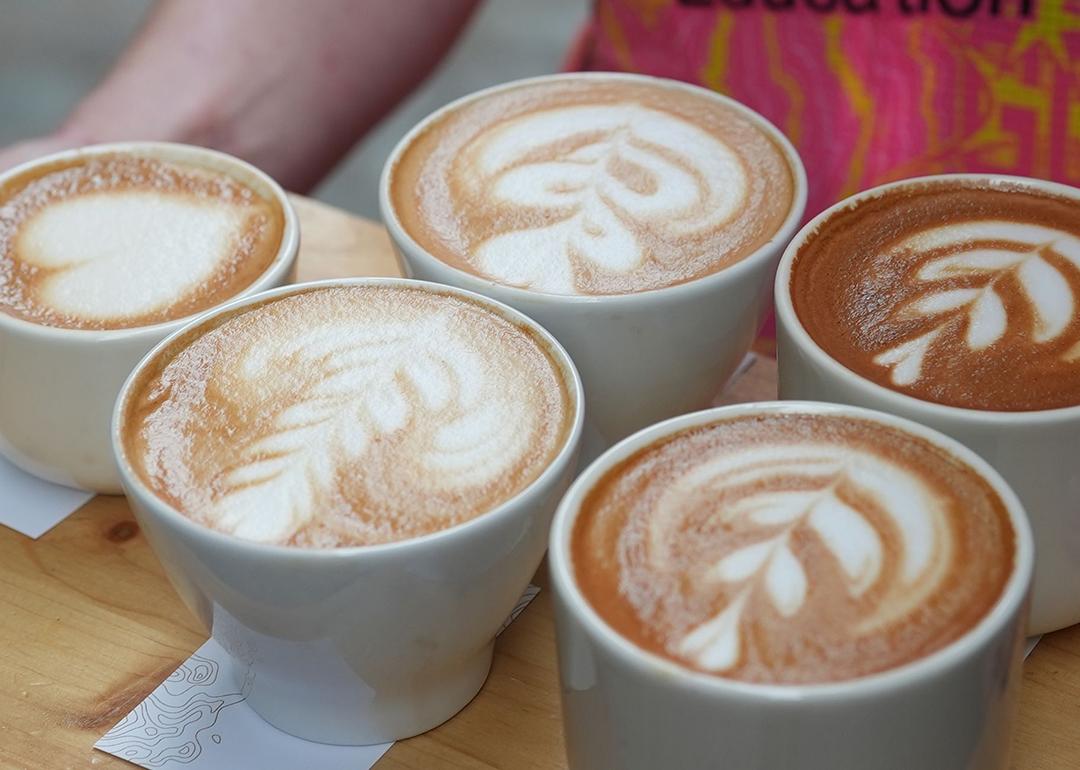
In Girona, professional cyclists don鈥檛 start their training rides from a parking lot. They start from a caf茅. A double espresso, something small to eat, and then the road. Somewhere midride, they鈥檒l stop again鈥攍ean the bike against a wall, order another coffee, and continue on.
The caf茅 stop is part of the ride, and it always has been. Girona has become a training ground for professional cyclists from around the world, not just because of its challenging climbs but because of the culture that surrounds the sport.
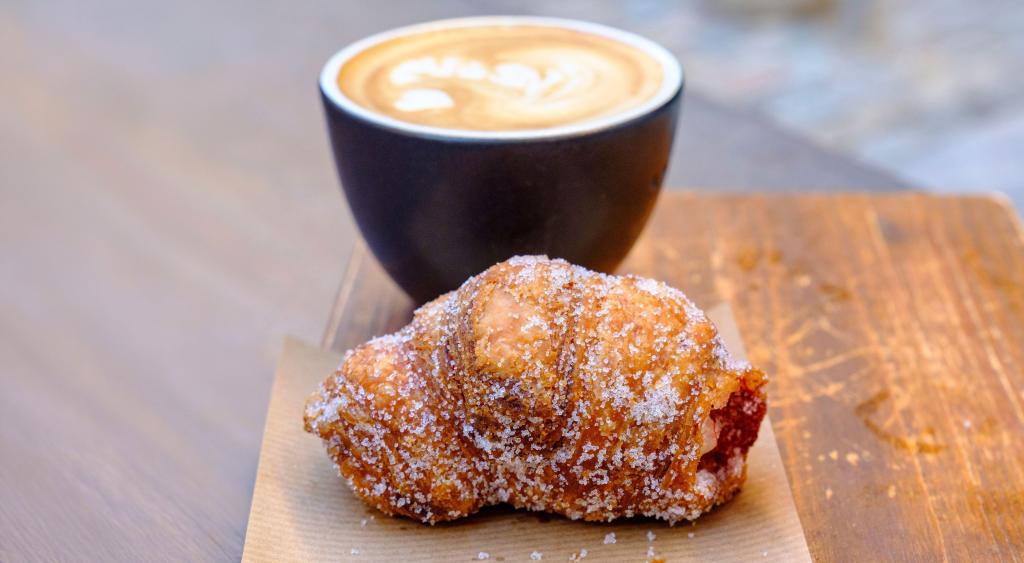
Later in the day, wandering Girona鈥檚 Gothic Quarter often means encountering one of the city鈥檚 most beloved pastries: the xuixo, a deep-fried, cream-filled pastry said to have been invented locally by a traveling circus performer. It has been sold on these streets for more than a century. After exploring the city鈥檚 medieval alleys, the pastry feels less like a snack and more like a continuation of the experience.
Japan: The meal that earns its moment
, the connection between physical experience and food is often deliberate.
One example comes at Konpira Shrine on Shikoku, a sacred site reached by climbing 1,368 stone steps. The climb has protected travelers and seafarers for centuries, and the effort required to reach the shrine is part of the pilgrimage itself.
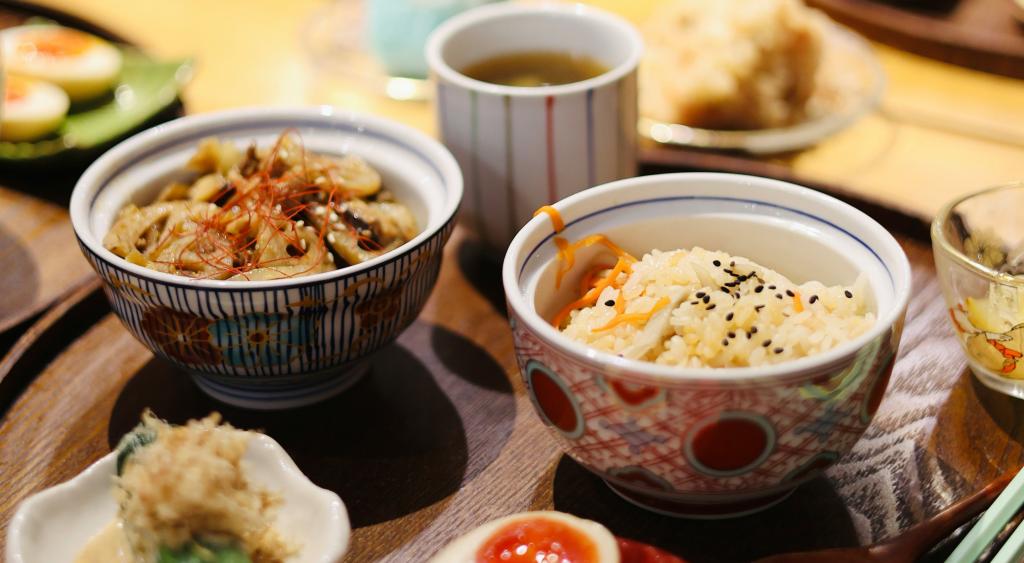
Later, in the remote Iya Valley, dinner might take the form of kaiseki鈥攁 traditional multicourse meal where seasonal ingredients are prepared and presented across small plates. Each dish reflects careful attention to seasonality, presentation, and balance.
After a physically demanding day, the meal takes on a different significance. The experience of reaching the table shapes how the food is received.
Elsewhere in the country, Japan鈥檚 food culture can look entirely different. In Osaka鈥攚idely considered the nation鈥檚 street food capital鈥攖he philosophy of kuidaore roughly translates to 鈥渆at yourself into bankruptcy.鈥� In neighborhoods like Dotonbori, the neon glow of the streets accompanies a seemingly endless supply of takoyaki, okonomiyaki, and other local specialties. Here, food is less about quiet reflection and more about joyful excess.
The Alps: Altitude, fontina, and a vineyard above the lake
, the relationship between landscape and cuisine becomes especially clear.
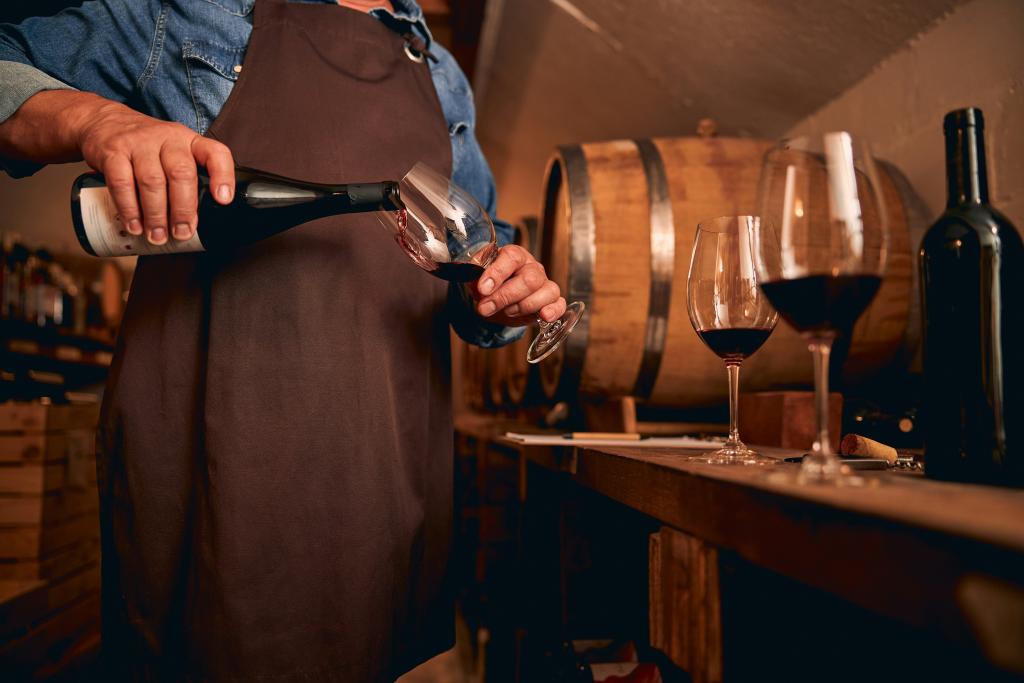
In Switzerland鈥檚 Lavaux Vineyard terraces above Lake Geneva, walking through rows of vines offers an immediate connection between the landscape and the wines produced there. That connection between movement and reflection is part of what draws many travelers to active trips in the first place. According to the Adventure Traveler Report, 66% of adventure travelers say they鈥檝e taken a trip specifically to recover from a major life moment, treating travel less like a vacation and more like a reset.
Farther south in Italy鈥檚 Aosta Valley, charcuterie boards and local wines reflect centuries of Alpine food traditions designed to sustain life in mountainous terrain.
Then there鈥檚 the classic mountain lunch: a simple meal at a high-altitude rifugio. Dishes like fontina cheese and polenta take on a new character when eaten outdoors after miles of hiking, with peaks like Mont Blanc looming nearby.
Portugal: The farm at the end of the ride
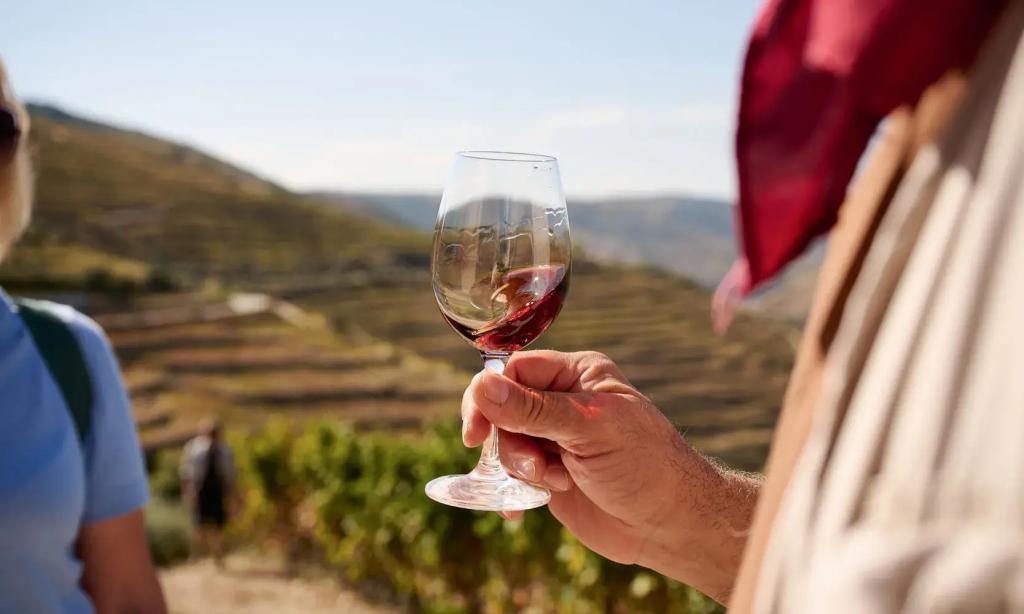
In Portugal鈥檚 Alentejo region, adventure often unfolds across gently rolling landscapes dotted with vineyards, olive groves, and cork oak forests.
Cycling routes wind through rural countryside and historic villages like Monsaraz, a medieval hilltop town overlooking one of Europe鈥檚 largest artificial lakes. The region is known for its agricultural traditions, and many experiences naturally end where those traditions begin: on farms and at wineries.
After a day spent riding through the countryside, meals often highlight the very ingredients grown nearby鈥攆rom olive oil tastings to regional wines produced on the surrounding land.
It鈥檚 the kind of moment where the meal makes sense because of everything that came before it.
Why food matters on active trips
Meals provide a pause to reflect on the journey, but they also offer something deeper: a cultural connection to the places travelers move through.
Whether it鈥檚 a caf茅 stop during a cycling ride, a mountain lunch after a long hike, or a multicourse dinner following a day of exploration, food often becomes the moment where the adventure fully lands.
was produced by and reviewed and distributed by 爆料TV.