Regional slang terms across America that people actually use, and what they mean
Regional slang terms across America that people actually use, and what they mean
With a total area of over 3.8 million square miles, the United States is a massive country with many regional differences. Cuisine and culture are two that easily come to mind, but variations in conversational slang are just as prevalent.
Regional slang connects people and can form a unique social identity. explains, slang develops out of geographic isolation and cultural exchange. This fascinating phenomenon can be immediately apparent to an outsider who visits an area. So what are some of the most common? covers 10 popular regional sayings found in the U.S. today.
1. California: 鈥楬ella鈥�
All California residents will tell you that 鈥渉ella鈥� is a result of the dialect from the San Francisco Bay Area. Its prominence arose in the late 1970s. it transferred from Black English, likely originating in the Oakland area.
Hella essentially translates to 鈥渧ery much so.鈥� It鈥檚 possibly a variation of hellacious or, less likely, helluva, .
2. Massachusetts: 鈥榃icked鈥� and 鈥榖ubbler鈥�
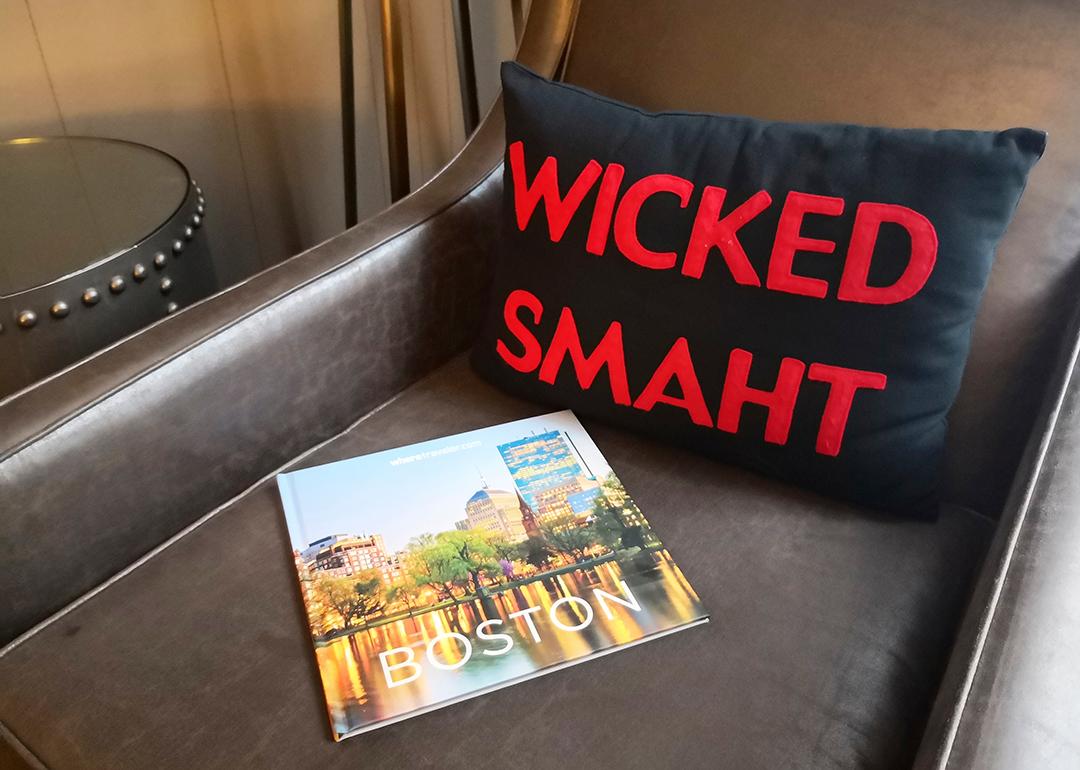
The area of Massachusetts around Boston has one of the most widely recognized accents in the U.S. It鈥檚 characterized by dropping the letter R from the end of words and adding it to the end of other words, , a speech-language pathologist.
The history of the slang word 鈥渨icked鈥� is a bit convoluted. Regardless, it鈥檚 commonplace in Massachusetts. Wicked essentially means 鈥渧ery鈥� or 鈥渆xtremely.鈥� For example, 鈥淭he pizza is wicked good.鈥�
A 鈥渂ubbler,鈥� a slang term common to southeastern parts of the state and Rhode Island, is simply another name for a water fountain.
3. New York City: 鈥楧eadass鈥� and 鈥榖rick鈥�
New York City has one of the most vibrant cultures in the United States. As such, many unique slang terms have arisen from the area.
Deadass and brick are both frequently heard when talking with any hip, NYC local. describes deadass as meaning 鈥渟eriously.鈥� Brick is used to describe intense cold. its first use back to 1995 in the Daily News.
4. Florida: 鈥楧ale鈥�
Florida is a melting pot, and Latin American culture is widespread. Dale is a slang term used in Miami and other regions of the state.
Dale is a Cuban word popularized by the Miami rapper Pitbull. that it has a loose, contextual translation to 鈥済ive it鈥� or 鈥済o ahead.鈥� It can be a phrase of encouragement or an order.
5. Midwest: 鈥極pe鈥�
The Midwest has plenty of slang words and a different way of pronouncing many common English words. Margaret Hostetler, a linguistics professor at the University of Wisconsin, that Midwesterners like to shorten words.
As the Oshkosh Northwestern describes, 鈥渙pe鈥� is another way of saying 鈥渙ops鈥� or 鈥渙h.鈥� It鈥檚 a bit of a filler word, and likely developed as a way to close off the open-ended sound of oh.
6. Pennsylvania: 鈥楯awn鈥� (Philadelphia)
Jawn is unique to Philadelphia, Pennsylvania and the Greater Delaware Valley, .
It鈥檚 a variation of the word 鈥渏oint鈥� found in New York City. It means 鈥渢hing,鈥� and is used in conversation to describe something that does not need a formal name.
7. Louisiana: 鈥楲agniappe鈥�
Lagniappe is a Cajun-French word that鈥檚 explicitly understood by everyone who lives in Louisiana and, more specifically, New Orleans.
It basically means 鈥渁 little extra,鈥� and embodies the spirit of being generous. that it can be practiced in many different ways. At restaurants, it could be seen as an extra appetizer or dessert that wasn鈥檛 ordered.
8. Hawai鈥榠: 鈥楧a Kine鈥�
Da Kine is an expression from Hawaiian pidgin English. Like many slang words, it doesn鈥檛 have a singular meaning. In general, it means 鈥渢hat kind,鈥� .
Hawaiʻi Magazine offers a . It can be used like 鈥渨hatchamacallit.鈥� As the magazine describes, it may seem like the person saying it can鈥檛 think of the word they want to use, but actually, it鈥檚 that the people speaking already know what鈥檚 being said, and there鈥檚 no need for additional words.
9. Colorado: 鈥楾he Fort鈥� (Fort Collins) and 鈥楤reck鈥� (Breckenridge)
Shortening the names of cities is a common practice for many locals around the country. Colorado is no different.
Fort Collins and Breckenridge are two popular places in the state, and they鈥檝e earned nicknames from locals and visitors alike. While you might only hear The Fort from people who actually live there, Breck is a popular phrase that鈥檚 used by people coming to the area to ski.
10. The South: 鈥楤less Your Heart鈥�
how 鈥渂less your heart鈥� has a myriad of meanings that are all dependent on context. It can be an authentic expression of sympathy, or it can be an expression of judgment for someone鈥檚 behavior. Knowing how to use this phrase or how to respond to it in a Southern social setting takes practice.
The language of locals
Every region around the U.S. has its own unique personality, culture, and slang that can take time to learn. For the places on this list, some slang has become mainstream and is recognized across the country. Despite this, slang remains a way to connect the people of a local culture together, allowing them to bond over a mutual understanding of implicit language.
These phrases might feel unnatural to visitors, but to locals, they鈥檙e as common as any other word in the English language. Keep an eye out for these slang terms and others the next time you travel. You might be surprised at what you hear.
was produced by and reviewed and distributed by 爆料TV.