Why Americans are shifting from DIY vanlife to adventure vans
Why Americans are shifting from DIY vanlife to adventure vans
If you've ever dreamed of converting a cargo van into a custom living space you'll call home, it might seem especially attractive right now, considering the increasingly Depending on your circumstances, now could be the perfect time to finally go for it.
But this isn't the same economy as a few years ago. In 2020, pandemic lockdowns handed millions of Americans something they'd never had such an excess of before: time. Remote work untethered people from offices. Stimulus checks padded savings accounts. With the national average for a gallon of (the lowest in years), a whole generation discovered that converting a cargo van into a home on wheels was not only possible but deeply satisfying to watch, and YouTube was full of people doing exactly that. alone. Class B motorhome shipments surged nearly 50% in 2021. Ford, sensing the moment, launched the specifically to capitalize on the #vanlife wave.
Full-time vanlife appeals to those who desire four-wheeled freedom, the flexibility to work remotely, and the excitement of discovering a variety of new locations. The math, though, has changed in the past couple of years. Costs for materials and vehicles have spiked, and lifestyle and have changed. Instead, many motorists are investing in adventure vans meant for occasional recreational use, which can cost much less to drive and insure.
explains more about these two options and shares ways to save the most money on your custom ride.
The Financial Reality Check of 24/7 Vanlife
DIY vanlife describes a distinctive lifestyle where drivers transform a standard cargo van into a unique they can live in year-round. This typically requires carpentry, electrical work, and plumbing, with owners implementing everything from beds and kitchenettes to solar panels.
鈥淭he cost can vary dramatically by intended use,鈥� explains Jason Noel, 鈥淎 basic 鈥榩avement princess鈥� build for paved campgrounds, with standard power, heating, and sleeping space, runs $20,000 to $35,000. Mid-range setups with quality finishes and modest off-road capability add $35,000 to $60,000. And full overlanding rigs with custom suspension, all-terrain tires, solar arrays, lithium batteries, recovery points, and boondocking systems easily exceed $80,000.鈥�
But the sticker shock doesn鈥檛 end there. DIY conversions are difficult and costly to insure because they lack standardization and may not meet safety or regulatory requirements.
鈥淚nsurers can find it difficult to assess risk, value the vehicle accurately, or confirm that modifications meet underwriting guidelines, which can result in limited coverage options or higher premiums,鈥� says , director of strategic communications for the Insurance Information Institute.
In 2026, many carriers have become increasingly cautious about these custom builds, per , insurance analyst with The Zebra.
鈥淚nsurance companies now often require professional inspections or detailed receipts for every component,鈥� Swanson notes. 鈥淲ithout that documentation, you run the risk of only getting coverage for the value of the empty van shell, which would cause you to lose tens of thousands of dollars spent on the custom interior if the vehicle is ever totaled.鈥�
Shifting Sentiments
By June of 2022, the national average for gas had nearly doubled from its pandemic lows, briefly topping That summer, one vanlife blogger documented what he called tracking a wave of popular YouTube creators quitting the lifestyle in real-time. Many cited the same culprits: punishing fuel costs, brutal summer heat with no air conditioning, and a lifestyle that looked a lot better on camera than it felt on the road. A lot of employees don't have the same remote options they did a few years ago, either.
As trends slowly changed, Ford quietly discontinued the Transit Trail in early 2025 after only two years. The van had launched at the tail end of the boom and never quite found its moment.
The Rise of the Weekend Adventure Van
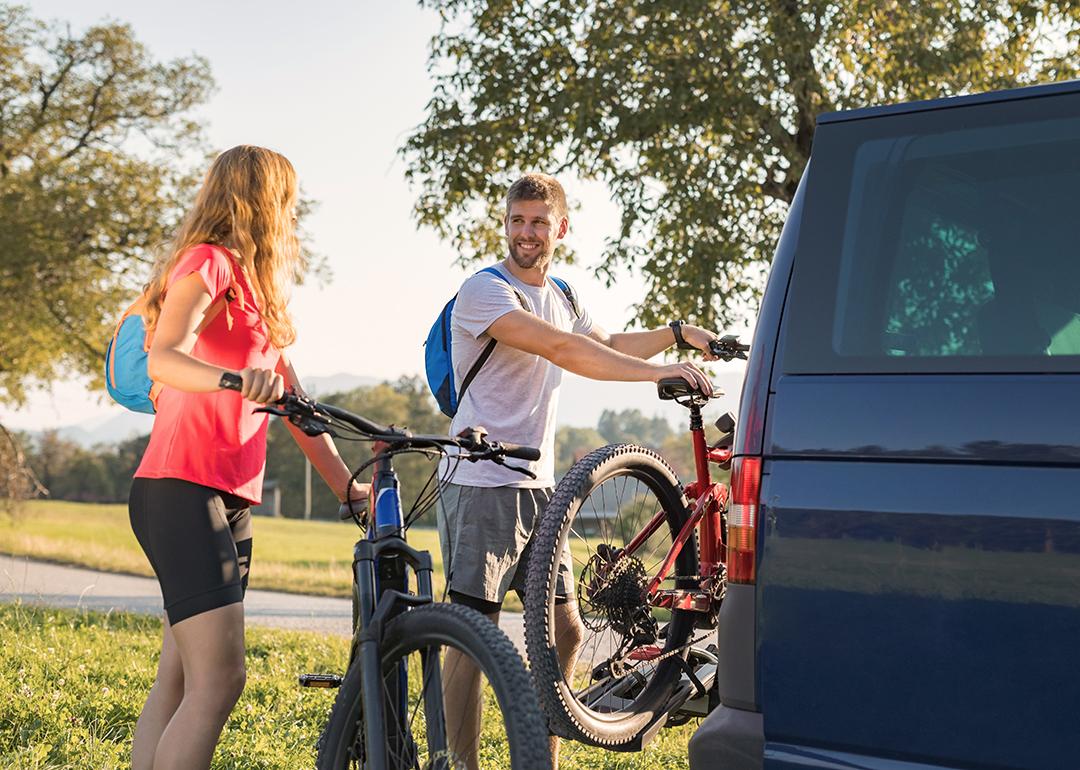
It鈥檚 little surprise, then, that potential (or former) vanlifers and outdoor enthusiasts are gravitating more toward adventure vans, which are professionally manufactured or certified conversions intended for less frequent travel and outdoor recreation. While both DIY custom vans and adventure vans are technically classified as Class B RVs, think of adventure vans as a cross between a camper and a toy hauler in one comfortable package.
鈥淰ans are more popular than ever, but fewer people are chasing full-time vanlife as a permanent lifestyle. They want something they can use for , , mountain biking, or even as a daily driver during the week,鈥� says , vice president of Girl Camper. 鈥淎dventure vans give people the freedom of vanlife without requiring them to sell everything and live on the road.鈥�
Plus, they offer more straightforward and inexpensive insurance options. On average, expect to pay between for Class B , according to Vansmith. However, your premiums can be lower if you drive fewer miles and less frequently than a full-time vanlife motorist would with an elaborate custom build.
What to Know About Insuring Your Van
To secure the right coverage without breaking the bank, aim to match your insurance protection with how the vehicle will be used. 鈥淎 DIY van may require a customized policy or specialty insurer, while an adventure van typically qualifies for an RV policy,鈥� says Ruiz.
Swanson points out that a standard auto policy will only cover the metal box of your van.
鈥淭hat鈥檚 why you鈥檒l likely need a specialized RV policy. It鈥檚 designed to cover the van itself as well as the expensive buildout inside,鈥� she says. 鈥淲hether your van qualifies for an RV policy depends on how it was built. A basic van with a mattress thrown in the back is usually seen as a regular vehicle that requires a standard auto policy. But professionally built vans may be RVIA-Certified, a seal of approval saying the van meets the safety rules for a mobile home. This certification makes it much easier for you to get a specialized RV policy.鈥�
Note that to have a commercial cargo van classified as an insured RV, you generally must re-register it as a motorhome with your DMV and provide your insurer with proof (such as photos or receipts) of permanent, built-in living features, such as a fixed bed, an integrated kitchen, and a dedicated electrical system.
Personal belongings stored inside your van aren't automatically protected. A standard auto policy won't cover your gear, and while your homeowners or renters policy may help, that coverage is often limited. Some RV insurers offer optional personal effects coverage, though terms vary by carrier, including how far from the vehicle your belongings are covered. The more time you spend on the road, the more that coverage is worth asking about, since it doesn't come standard. High-value items like bikes, cameras, or drones may require additional riders for full protection.
鈥淎濒蝉辞, you store within the van, such as bikes or cameras, may require additional riders or endorsements for full protection,鈥� Ruiz adds.
Vans vs. SUVs
Ask McDermott and she鈥檒l tell you that a DIY van could be a great fit for someone who enjoys life on the road, problem-solving, and customizing every inch of space.
鈥淎n adventure van, meanwhile, is often better for someone who wants a ready-to-use vehicle, easier financing, clearer insurance options, and less time spent troubleshooting systems. DIY vans can actually be less expensive upfront, but harder to insure and appraise after the build,鈥� she continues.
An SUV, on the other hand, is an ideal choice for those on a tighter budget who prioritize off-road capability and plan to use the vehicle more for everyday driving and commuting and less for adventuring. Based on , the average yearly price tag to insure many popular SUV models commonly starts as low as $1,000. For those who want occasional outdoor capability without committing to a full conversion, SUV accessories like rooftop tents offer a removable, budget-friendly middle ground.
The Bottom Line
The dream of the open road is still alive and well, but it pays to be practical. Whether you want to personalize a live-in van, play van adventurer in your free time, or opt for a more practical SUV, carefully consider your future travel goals and budget. For anyone weighing full-time vanlife today, the fuel math looks very different from what it did in 2020. Tariff-driven uncertainty since 2025 has added new pressure on vehicle prices and repair costs, and our fuel prices as of . An adventure van used on weekends burns a fraction of what a live-in build consumes week in and week out.
was produced by and reviewed and distributed by 爆料TV.