Every film set is a town on wheels. Meet the fleet that runs it.
Every film set is a town on wheels. Meet the fleet that runs it.
As the credits scroll on any big movie, keep reading past the cast. Down there, under the caterers and somewhere near the accountants, sits a department called Transportation.
Most likely, you were headed out the door when those credits appeared. But the actors did not walk to the set, and the cameras did not float out to the location on their own. The entire operation did not teleport to the next town overnight. A lot of somethings hauled it all.
People picture a film shoot as cameras and lights but, on any given morning, it鈥檚 a parking lot full of trucks, reports.
The film set basecamp is a town on wheels
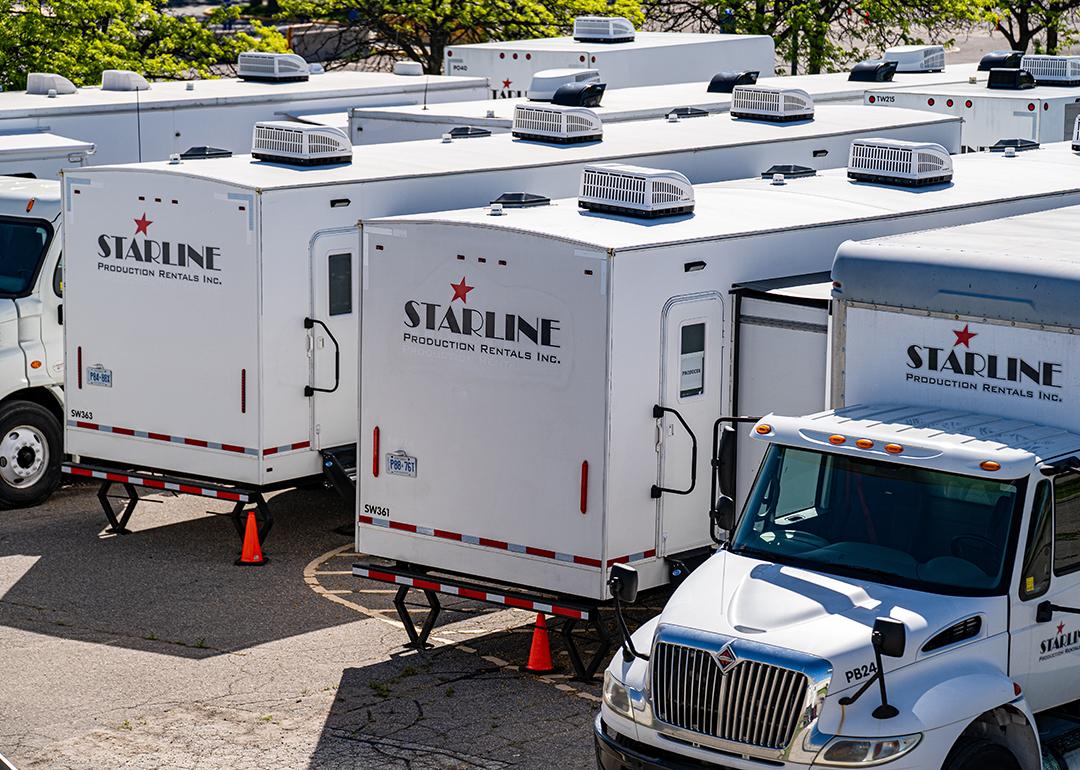
Before a director yells "action," the crew builds a base camp, and base camp is where the vehicles are. Usually dozens of them.
Things like house the dressing rooms, hair-and-makeup chairs, and production offices. Cast trailers go to the leads. Stake-bed trucks haul grip and electric, which means the lights, the cable, and the several hundred metal stands that hold it all up. If you were to put the whole convoy into a circle in a field at five in the morning, you would have a small town that was not there the day before. That night, you strike it, and it is gone.
It looks less like show business than like a carnival setting up. Which, more or less, is what it is. Now build that camp and strike it again for every production a single state hosts in a year. Georgia alone ran . That is 273 small towns on wheels, in one state, in one year.
Picture cars, camera cars, and the rigs that chase them
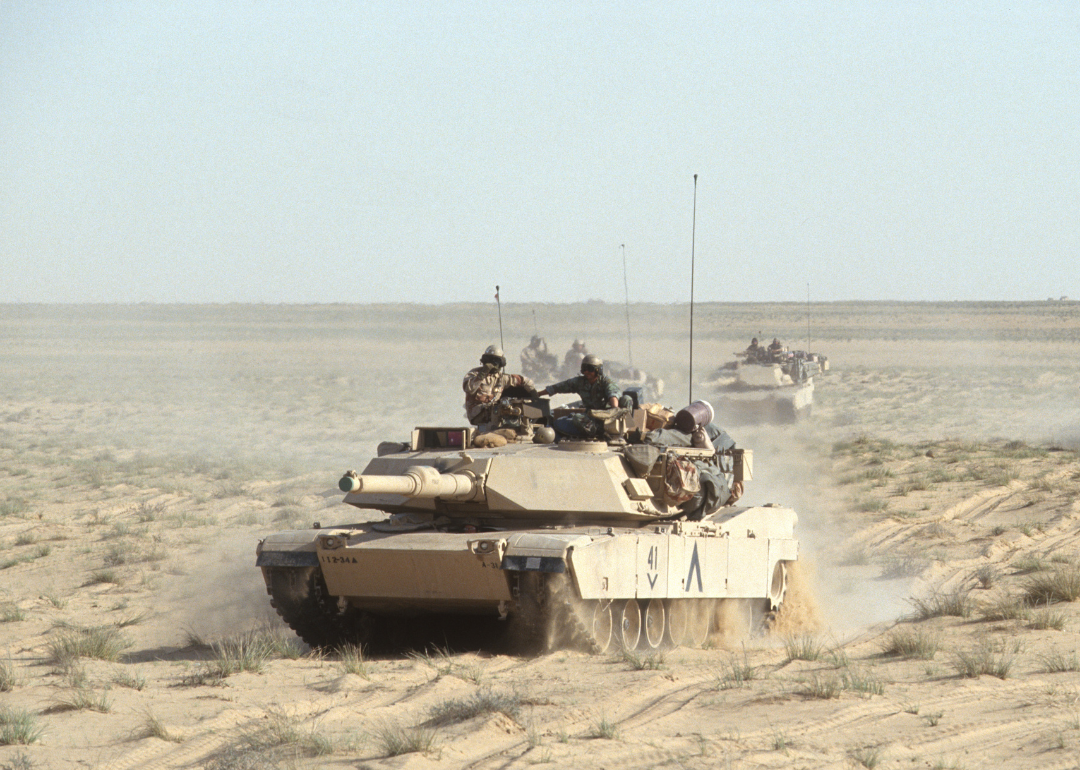
In most movies, not all of the fleet ends up on screen. Some do, and those are picture cars. A production buys several identical ones on purpose, so the hero car can get wrecked on Tuesday and be back on its mark Wednesday. Chasing them is the camera car, rigged to carry a crew and a camera arm at speed. The big sweeping moves come from a riding its own truck. The list runs all the way down to one-off rigs welded together for a single stunt that lasts about four seconds on screen.
The crew shuttle buses that keep a set moving
A well-funded movie will have a Transpo Team, but a smaller one forces a producer to take a more hands-on approach. A crew of two or three hundred people has to get from the lot to base camp to set and back, over and over, from before dawn to after dark.
And that runs on passenger vans and shuttle buses, looping continuously. If the producer loses a shuttle, they鈥檒l lose the day. And a lost day on a feature is the kind of line item that gets people fired. It is also the corner of the movie business that touches the ordinary one.
It takes the Teamsters to turn the key
The buses don鈥檛 yet drive themselves, so none of it moves without drivers, and in the major hubs those drivers are Teamsters.
. The agreements spell out who drives what, and the scale is right there in the fine print. Once are used, the labor rules step up. Four. On a film, the finance person views that as a rounding error.
Where the film production rolls, state by state
California鈥檚 lock on production is slipping and other states offer lower taxes and more incentives. Follow the incentive money, and you鈥檒l find the fleets. That money is very real. For example, productions spent , and that was the off-year, down from a $4.1 billion peak after the strikes.
California鈥檚 expanded tax credit is now tied to even as the productions keep .
You鈥檇 expect California and New York to be big in the movie production business but what about states like New Mexico and Louisiana? Smaller film hubs don鈥檛 lose out. New Mexico ran , and Louisiana may not be Hollywood, but it cleared , strike year and all.
Every one of those dollars hired vehicles. The transportation economy follows the cameras, regardless of the state's movie budgets. And it does not travel light.
What a film鈥檚 transportation credit hides
While you're sitting in the theater waiting for the crowd to clear, look up at the credits. When the transportation department credits roll up in eight-point type, you鈥檒l know what that line covers. A fleet of specialized vehicles. A shuttle operation that ran all day without a single person in the audience ever knowing it existed. A town on wheels that rolled in, did the impossible on schedule, and was gone before the neighbors woke up.
was produced by and reviewed and distributed by 爆料TV.