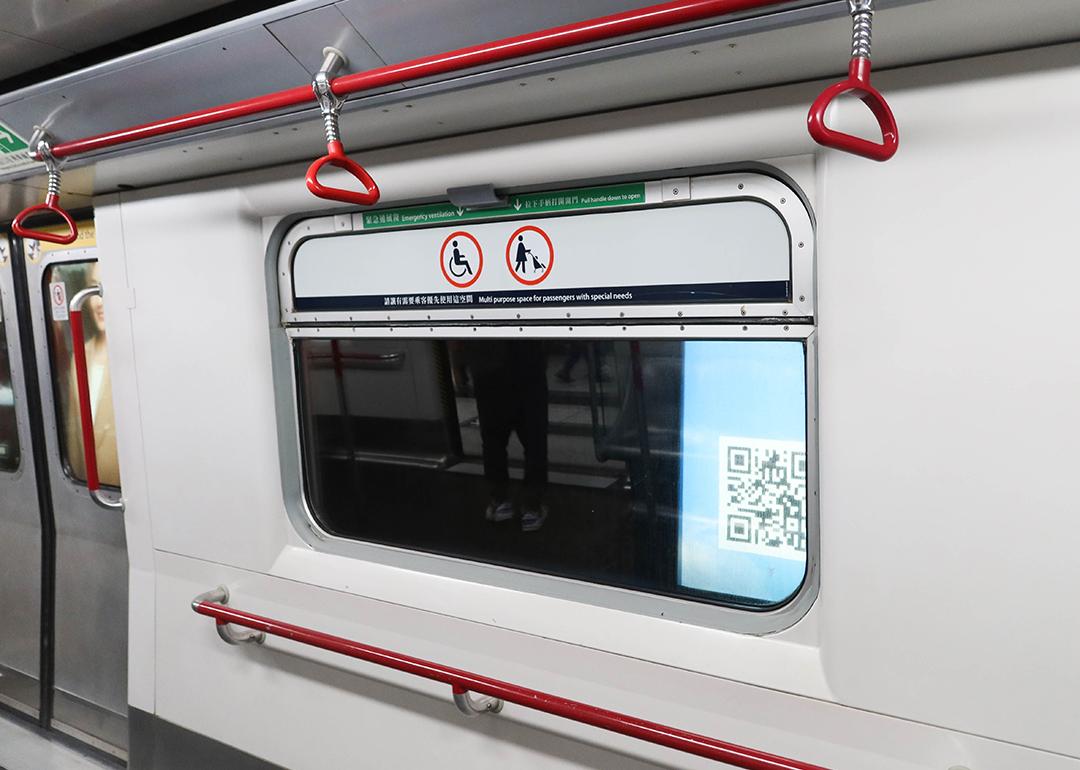
QR codes are helping transit systems adapt without rebuilding infrastructure
QR codes are helping transit systems adapt without rebuilding infrastructure
The passenger information systems market is experiencing unprecedented growth, expanding from $29.5 billion in 2023 to an expected , according to a 2023 SNS Insider forecast. Despite this massive investment, transit systems worldwide still struggle with the same fundamental challenge: static infrastructure serving dynamic passengers.
Signs and printed schedules rarely change, yet commuters need to adjust their routes in real-time, responding to delays, diversions, and crowd flows fast. Even the digital tools (apps, announcements, boards) meant to help are struggling to keep pace.
QR Codes offer a simple alternative. A QR Code placed on a platform can deliver the exact information a rider needs in that moment, without friction or hardware upgrades. With the , you can turn existing infrastructure into a flexible digital layer that keeps up with commuters.
In this article, examines how QR Codes can turn existing transit infrastructure into a more adaptable network.
The distribution problem in transit information
Once a commuter is already in motion, the challenge shifts from generating information to ensuring it reaches them at the exact moment they need it.
Here鈥檚 where the gap shows up:
- Commuters who aren鈥檛 in the system daily (such as tourists, visitors, or occasional commuters) often lack established habits and tools, resulting in them missing updates entirely.
- Static signage can鈥檛 react to small, rapid changes, such as diversions, short delays, or platform swaps.
- Staff support can thin out during peak hours or disruptions, leaving commuters to figure things out on their own.
The result is a distribution problem: Real-time updates exist, but they don鈥檛 consistently reach commuters when they need them most.
The impact is measurable: SNS Insider鈥檚 report also found that over of commuters report feeling more confident in their travel plans when provided with real-time information. Yet most transit systems struggle to deliver this information cost-effectively at scale.
QR Codes as a flexible digital layer
Digital transformation in transit doesn鈥檛 always require new hardware. QR Codes provide a way to add real-time digital services to physical infrastructure without altering the infrastructure itself.
The contrast in implementation approaches is stark: An industry analysis of Cubic Corporation鈥檚 Umo platform estimates a roughly to support 900 buses across 30 transit systems in 2022, whereas QR Code implementations can cover entire networks without incurring per-vehicle hardware costs.
Let鈥檚 look at some practical applications of QR Codes tailored to real operational needs.
Real-time movement guidance
Commuters make decisions in seconds. QR Codes help surface real-time movement data exactly where those decisions happen. For instance:
- Next arrivals, delays, platform shifts: Place QR Codes on pillars, screen casings, elevator railings, and staircase landings. A commuter waiting on a crowded platform can scan once and see whether they should stay, move, or switch routes, similar to how airport travelers scan QR Codes at gate screens for instant updates.
- Localized direction at high-traffic nodes: At choke points, such as escalator exits or interchange corridors, passengers often pause due to uncertainty and confusion. A QR Code here can open a station-specific layout, showing the fastest path to lines, exits, or less crowded waiting zones.
Ticketing and fare access
A 2021 study sponsored by the National Institute for Transportation and Communities found that around of transit riders still relied heavily on paying cash when they boarded buses, which leads to longer queues. Add that to fare confusion, and you have slow boarding and an increasing staff workload.
QR Codes can enable commuters to complete payment tasks without queuing or navigating a complex app.
Here鈥檚 how you can implement this:
- Buy or top-up passes: A QR Code on turnstiles or shelter glass can lead directly to a secure top-up flow. This reduces cash handling and kiosk congestion.
- Instant access to pricing information: Many commuters want to check fares before they travel, but often do not know the cost until they reach the station or board. A QR Code at station entrances or inside vehicles can provide immediate access to current pricing, fare options, and payment methods before they travel.
Alerts and safety information
Transit systems can use QR Codes to keep commuters oriented during unplanned events.
For example:
- Diversions, construction, and weather-related changes: QR Codes on temporary barricades or construction fencing can direct users to updated walking paths, shuttle replacements, or alternative platforms.
- Emergency instructions at the commuter鈥檚 pace: Instead of relying solely on loudspeakers, QR Codes inside vehicles and stations can link to evacuation steps, multilingual safety videos, or incident reporting forms so transit riders can follow along without panic.
Did you know? A 2024 Asahi Shimbun report described how a Tokyo transportation engineer used QR Codes to create a safety system while cutting costs by .
When the Tokyo Metropolitan Government faced a $13.5 million bill to install radio systems for platform safety gates on the Asakusa subway line, engineer Seiji Okamoto proposed using QR Codes instead.
The solution uses QR Code stickers on train doors that cameras scan to synchronize platform gates with train doors. The total cost for QR Code implementation: just $2.7 million. The technology now operates across Tokyo's subway system and has been adopted by other railway companies across Japan, all without licensing fees.
Multilingual and accessible support
Cities with international visitors or diverse communities often struggle to communicate consistently. QR Codes provide on-demand clarity through:
- Instant translations and route explanations: A QR Code on fare machines or concourse signage can offer supported languages without cluttering physical space.
- Step-free routes and accessibility tools: Placed near elevators, escalators, or tactile surfaces, QR Codes can show accessible pathways, lift outages, or allow users to request assistance directly, similar to how accessibility zones in airports use QR Codes to guide passengers through mobility services.
Beyond the station
The commuter's journey doesn鈥檛 start at the platform, and it doesn鈥檛 end there either. QR Codes extend guidance into the first and last-mile movement.
For example:
- Bike docks, shuttles, walking paths: A QR Code at transit exits can show commuters what鈥檚 immediately available, like nearby bike docks, walking routes to popular destinations, or shuttle schedules.
- Intermodal connections: At interchange nodes, QR Codes can display how to transition smoothly between rail, bus, ferry, or micromobility.
The infrastructure advantage: Every surface becomes useful
QR Codes work best when they work with the infrastructure that commuters already interact with. Instead of adding new equipment or finding space for more screens, agencies can turn familiar surfaces into small digital touchpoints that support commuters throughout the network.
Activates existing assets
Turnstiles, shelters, pillars, benches, seat backs, vehicle windows, and even temporary barriers are all surfaces commuters naturally look at or touch, and can function as real-time information points. QR Codes enable each one to share helpful information without altering the physical layout of a station or vehicle.
Reduces hesitation and eases crowd flow
When transit riders know exactly where to go or what鈥檚 happening next, they stop pausing in circulation areas. QR Codes placed at natural decision points like platform entrances, escalator exits, and interchange corridors help reduce clustering, improve wayfinding, and keep movement smooth during busy periods.
Allows fast updates without replacing physical materials
Because with , agencies can update what commuters see instantly without reprinting maps, replacing signs, or dispatching staff. It doesn鈥檛 matter if it鈥檚 a temporary diversion, a construction detour, or a short-term service change; updates go live the moment operations publish them.
A more adaptive transit experience
Responsive transit systems are designed to make everyday commuter interactions as clear and easy as possible. As agencies look for practical ways to modernize service, the real shift is moving guidance and information closer to the commuter.
QR Codes offer agencies a lightweight way to support transit riders throughout their journey, adding small moments of clarity that accumulate across the entire travel network.
was produced by and reviewed and distributed by 爆料TV.