Why mitochondrial health is central to energy, aging and disease
Why mitochondrial health is central to energy, aging and disease
Being tired has become one of the most common ways people describe modern life. And for millions of people, a full night鈥檚 sleep does not fix it.
The Guardian recently pointed to a 2025 workforce report finding that had experienced some form of burnout, while the CDC has found that roughly experience extreme tiredness almost every day.
For years, the most common answer pointed toward lifestyle, suggesting that stress, poor sleep, and too little exercise were the usual suspects. Those answers still apply, but they do not explain why some bodies struggle to recover even after rest.
Research has helped bring more public attention to cellular health and the body鈥檚 ability to produce energy. And that research keeps returning to one biological process that many people rarely connect to exhaustion. Scientists call it mitochondrial health. examines the connection between mitochondria and overall health.
What Are Mitochondria and Why Do They Matter?
Most people only know mitochondria from a single line buried somewhere back in high school biology. But researchers have spent decades uncovering just how central these tiny structures are to how the body actually runs.
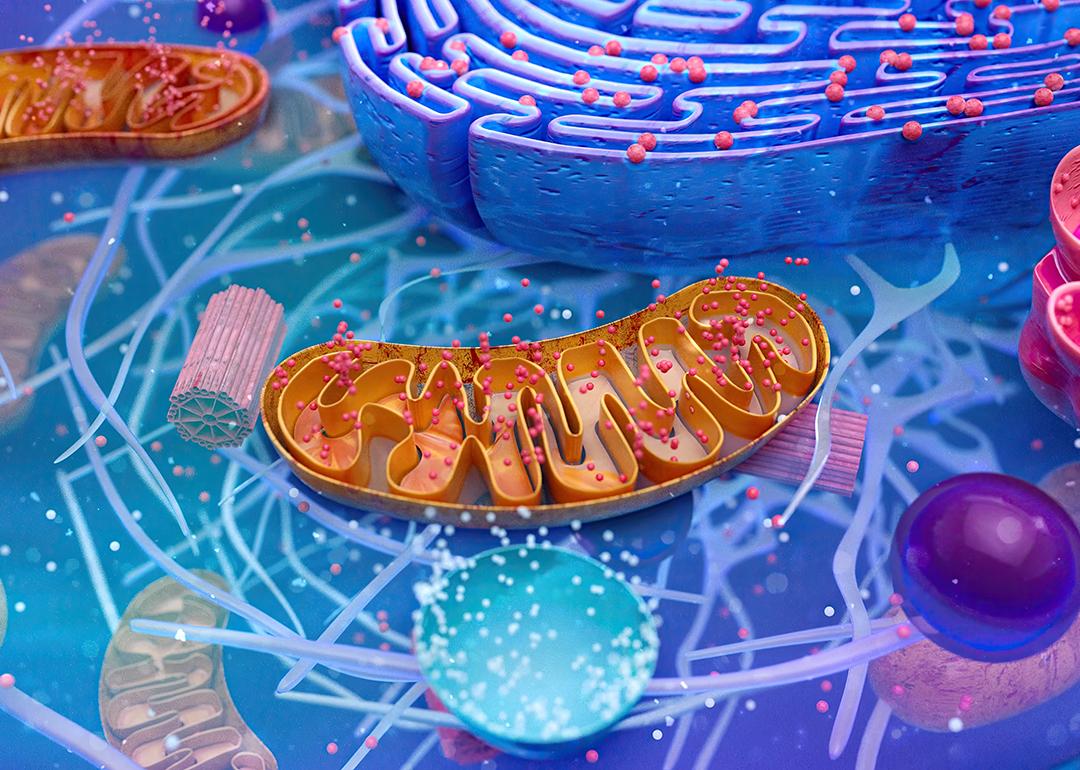
Found inside nearly every human cell, mitochondria take the nutrients from food and convert them into a chemical called , or ATP, the body鈥檚 primary fuel source. has described them as 鈥渢rue multitaskers,鈥� and the science backs that up.
Beyond producing energy, , regulate metabolism, and help determine when a damaged cell should be cleared away. Every organ that runs on energy depends on them.
The Link Between Mitochondria and Everyday Energy
Healthy mitochondria keep the body running at a pace most people take for granted. They help a person get through a long workday, stay mentally present, and recover after physical activity without feeling completely spent.
, has observed that 鈥渢he brain is a very small percentage of our whole body, but it takes up a huge percentage of the overall energy demand.鈥� The body鈥檚 demand for energy does not disappear when mitochondrial function starts to struggle. It just becomes harder to meet.
Research published in the Journal of Clinical Medicine has linked , helping explain why some exhaustion does not resolve with rest alone. Sleep can help the body recover, but it cannot always solve a problem that begins with how cells make energy.
Mitochondria and the Biology of Burnout
Burnout is often treated as a mental health problem, something fixed with a vacation or a few days off. But researchers are beginning to understand that the strain may reach much deeper. has argued that 鈥渢he actual cellular machinery that links these experiences to disease really starts at the level of the mitochondria.鈥�
Chronic stress floods the body with hormones like cortisol, and over time, that pressure can disrupt how mitochondria produce energy. And the effects go well beyond emotional exhaustion.
Research published by the National Institutes of Health has found that can add to this disruption, with studies on and chronic fatigue syndrome showing that mitochondrial energy production may remain impaired even after the original infection has passed.
The Role of Mitochondria in Aging
Aging places a different kind of pressure on mitochondria than stress or illness alone can explain. Over time, the DNA housed inside mitochondria can accumulate damage, and unlike nuclear DNA, it has fewer defenses to protect it.
, told The New York Times that 鈥渢he mitochondria just give up earlier than other parts of the cell because of the wear and tear that they鈥檙e subjected to.鈥�
As energy production becomes less efficient, damaged mitochondria can release more free radicals, adding strain to cells that are already working harder to repair themselves. Strength becomes harder to maintain, clear thinking can feel less reliable, and daily energy begins to depend more heavily on how well cells can protect the process that keeps them running.
A review available through the National Library of Medicine confirms that this is one of the most consistent biological markers of how the body ages.
Mitochondria and Chronic Disease Risk
Beyond aging, researchers have connected mitochondrial breakdown to some of the most widespread chronic diseases people face today.
A review published by the International Journal of Molecular Sciences describes , because they help cells manage fuel, respond to stress, control inflammation, and decide when damaged cells should be cleared away.
Poor mitochondrial function has been linked to metabolic disease, brain disorders, and heart conditions, placing these tiny structures much closer to chronic disease research than many people realize. The NIH has also noted that .
When cells lose the ability to make energy and communicate properly, the damage does not stay neatly contained. It can affect how the body regulates blood sugar, protects the brain, and keeps the heart working under pressure. The evidence does not make mitochondria the sole cause of these diseases, but it does make them hard to ignore.
Supporting Mitochondrial Health Through Lifestyle
The good news about mitochondrial health is that it responds to the same habits most people already know they should build. Dr. Laurie Sanders, a movement disorders researcher at Duke University, told the that 鈥渁ll the advice that we get on healthy living is also going to help our mitochondria.鈥�
Regular physical activity is one of the most studied approaches, with aerobic exercise and strength training both shown to stimulate the growth of new mitochondria. Eating whole, , particularly those with magnesium, B vitamins, and healthy fats, gives mitochondria the raw materials they need.
allows cells to repair daily damage, and managing stress over time reduces the cellular burden that disrupts energy production. Research shows that mitochondria respond to the steady accumulation of daily habits rather than any single dramatic fix, and the science behind each of these approaches reflects exactly that.
Why Mitochondrial Health Is Gaining Attention Now
Mitochondrial health has moved from a term found mostly in biology textbooks to a subject that longevity researchers, wellness communities, and everyday people are actively discussing. Part of what is driving this attention is a growing frustration with how health has traditionally been managed, where symptoms get treated without asking why they keep coming back.
People dealing with persistent fatigue, early aging, or chronic disease are no longer satisfied with surface-level answers, and educational resources have helped make cellular biology more accessible to those looking for deeper explanations.
has also pushed mitochondria further into public view, with researchers pointing to as one of the most significant drivers of how quickly the body ages, and that research is now reaching audiences well beyond academic journals.
Conclusion: Energy Starts at the Cellular Level
The body鈥檚 energy, how it ages, and its vulnerability to chronic disease all trace back to the same biological source, and that source is mitochondrial health. and leading keeps building a clearer picture of how much mitochondria shape how people feel and function over time.
As public awareness grows and science keeps developing, more answers about how to support mitochondrial health are becoming available. And understanding what drives energy production inside the body is one of the best ways a person can begin to understand their own health. It鈥檚 also a good reason to keep paying attention to what researchers are still discovering.
was produced by and reviewed and distributed by 爆料TV.