
Summer costs are adding up: 5 ways to save on everyday essentials
Summer may bring longer sunny days, family vacations, and more time outdoors, but it can also put added pressure on household budgets. From higher electricity use during heatwaves to more driving, groceries, and family activities, many seasonal expenses are tied to everyday essentials rather than luxuries.
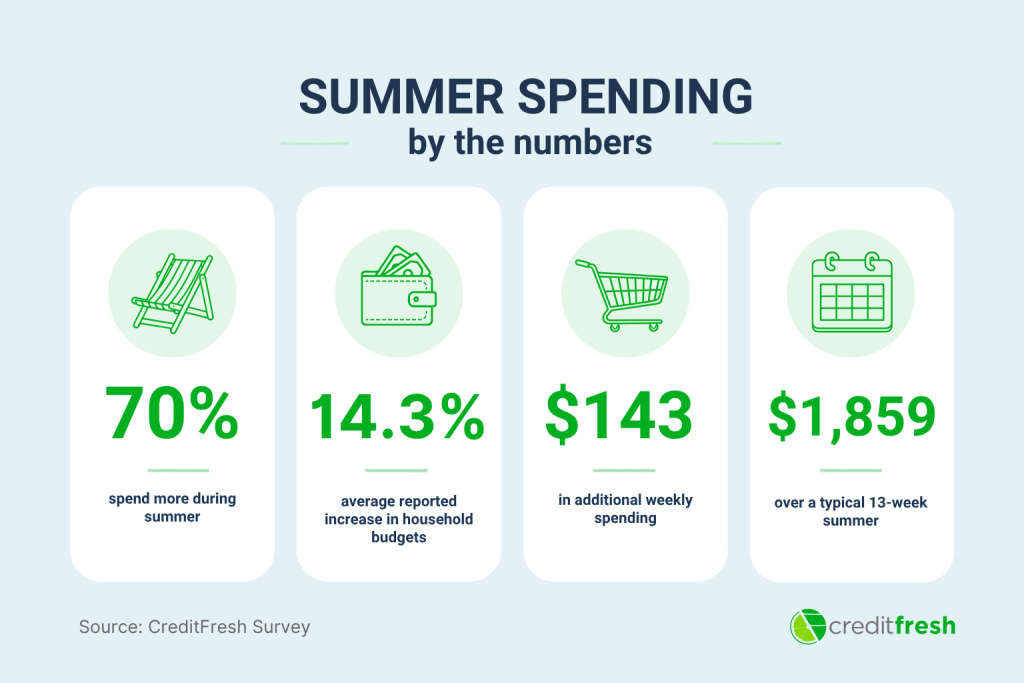
A new survey of found that 70% of respondents spend more during summer, with household budgets increasing by an average of 14.3%. Respondents estimated spending an additional $143 per week, or approximately $1,859 over a typical 13-week summer. A few practical changes can help households manage those seasonal costs while still covering food, housing, transportation, and other basics.
Why Summer Can Put Pressure on Household Budgets
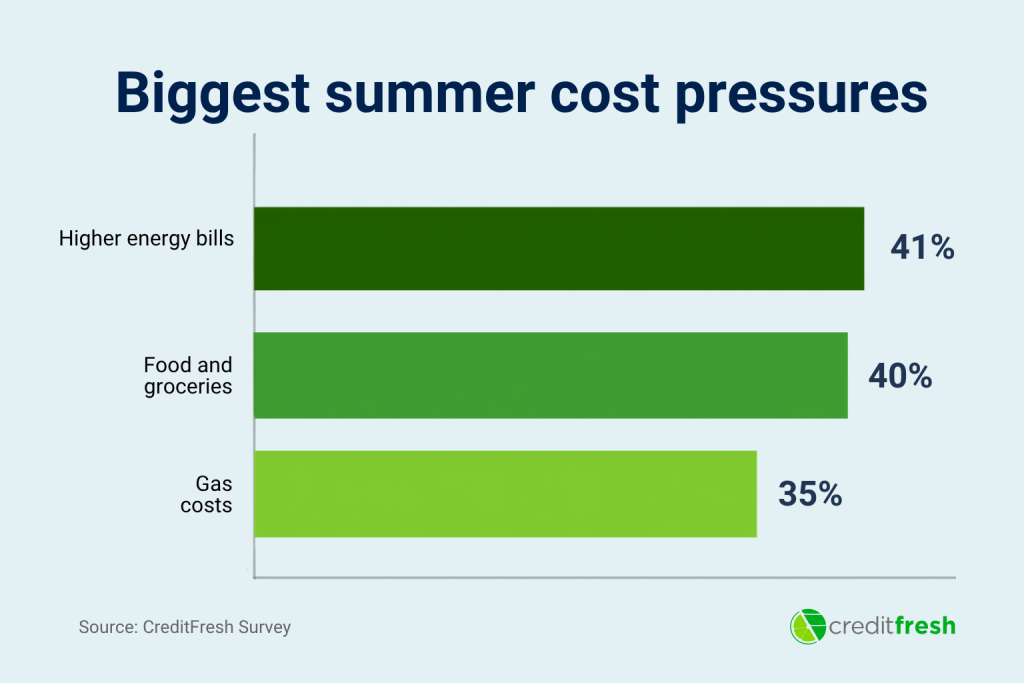
Summer spending often rises because several recurring costs increase at the same time. In the CreditFresh survey, 41% of respondents named higher energy bills as a major pressure, 40% cited food and groceries, and 35% pointed to gas costs.
Cooling and transportation are an important part of that seasonal picture. The U.S. Energy Information Administration notes that electricity demand and natural gas use by power generators typically peak in July and August as temperatures and air-conditioning use rise. Its July 2026 outlook also warns that heatwaves can temporarily push .
How Summer Costs Add Up
An extra $143 per week may not seem dramatic in isolation, but over 13 weeks, it totals approximately $1,859. That makes it useful to treat summer as a distinct budget period, similar to the holidays or back-to-school season, and to plan for predictable changes in utilities, groceries, transportation, and activities.
5 Tips to Help You Save on Summer Essentials
1. Budget Smarter, Not Harder
As summer begins, budgeting is a useful first step. Think of your budget as a financial GPS鈥攊t tells your money where to go so you don鈥檛 get lost. Start by identifying fixed costs (rent, insurance, and personal loan payments) and summer-variable expenses (food, gas, cooling, travel, and entertainment).
Then look for ways to adjust seasonal spending. For example:
- Switch from brand-name groceries to store brands.
- Batch-cook meals to lower food waste and takeout spending.
- Use cashback or loyalty programs to stretch your dollar and save money.
like Mint, YNAB, or even a simple spreadsheet can make less intimidating.
2. Get Creative with Grocery Shopping
Food is one of the fastest-rising expenses. To save money on groceries:
- Shop weekly flyers and build your meals around what鈥檚 on sale.
- Buy in bulk (especially for staples like rice, beans, or pasta).
- Don鈥檛 shop hungry鈥攕eriously, it leads to impulse buys.
- Use apps like Flipp or Checkout 51 to find digital coupons.
Many communities also have food co-ops or discount grocers that offer quality items at lower prices. Planning meals ahead helps lower 鈥渨hat鈥檚 for dinner?鈥� stress and .
3. Save on Transportation
Gas and car maintenance can be another pain point. If you drive regularly:
- Use apps like GasBuddy or AAA鈥檚 app to find the lowest gas prices in your area.
- Carpool or do all your errands in one trip to save on gas. For example, if you usually make three separate trips a week, combining them into one could save you a quarter tank of gas鈥攐r about $20 a month, depending on your car and gas prices.
- Keep tires inflated and stay up to date with oil changes鈥攇ood maintenance equals better mileage.
- Public transit, where it鈥檚 available, can be a budget-friendly option.
4. Cut Back on Utilities Without Sacrificing Comfort
Utilities are essential, but you can still lower costs:
- Use energy-efficient LED bulbs.
- Unplug devices that draw power when not in use.
- Adjust your thermostat by a few degrees鈥攅specially at night or when you鈥檙e out. Lowering your thermostat by just 2 F while you sleep may help you save in the long run without even noticing the difference.
- Wash clothes in cold water and line dry when possible.
These small shifts help not only with bills but with your long-term energy footprint.
5. Plan a Low-Cost Summer Vacation or Staycation
Summer plans do not have to mean expensive flights, hotels, or packed itineraries. Before booking a trip, set a clear spending limit and compare it with lower-cost options close to home. A staycation can still feel like a break if it includes summer-specific activities such as a beach day, a picnic in the park, an outdoor movie night, a local festival, a splash pad visit, or a day trip to a nearby town.
- Pick one 鈥渁nchor鈥� summer activity each week, like a free concert, public pool day, community event, or picnic, and plan meals and transportation around it.
- Look for weekday or off-peak discounts on local attractions, museums, parks, or family activities.
- Pack snacks, refillable water bottles, and simple meals when heading out for the day to help avoid extra takeout costs.
- This gives households a practical way to enjoy the season while keeping discretionary spending more predictable.
Keeping Summer Costs Manageable
said they were not prepared for higher summer spending or emergency costs, while 80% planned to take steps to offset the added expenses. A few small changes can help households stay on track without reworking their entire budget.
Whether it鈥檚 spending less on groceries, combining errands, or using less energy during peak heat, small adjustments can make summer costs easier to manage. The goal is not to avoid summer spending altogether but to plan ahead so everyday expenses feel more manageable.
Disclaimer: Information in this article, including references to third parties, is for informational and educational purposes only and does not constitute endorsement or individualized financial or legal advice.
This story was produced by and reviewed and distributed by 爆料TV.