How to prep your pet for a disaster
As climate change strengthens hurricanes, wildfires, and other natural disasters, people are seeking advice on how to safeguard their pets, reports.
鈥淎 lot of people think climate change is in the future or only happening on the coast. But 鈥� climate change is here today and it is impacting every community in one way or another,鈥� said Dr. Sarah DeYoung, a disaster researcher at the University of Delaware. 鈥淧eople should be aware that climate change is not a future, distant thing that will impact their animals. It is here and it is impacting every community.鈥�
How Can I Prepare My Pet For Disaster?
While each disaster has its unique quirks and idiosyncrasies, experts have issued general pet safety recommendations.
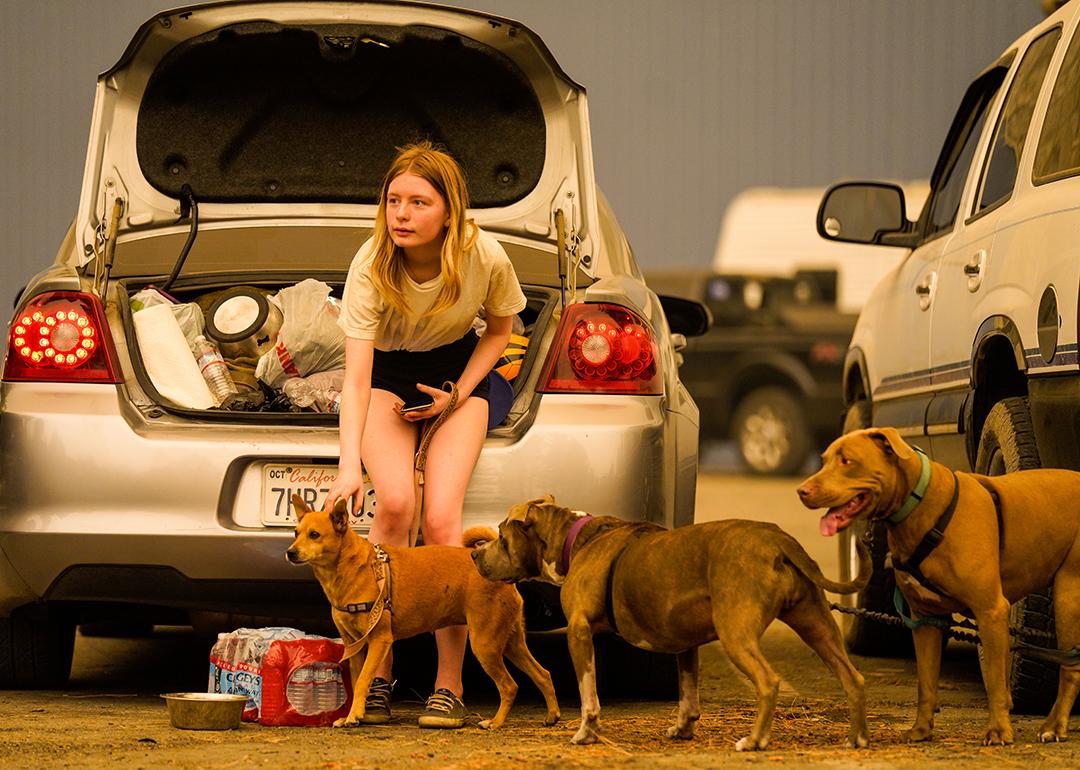
Assemble a 鈥済o kit鈥� that has everything your pet needs, including food, water, leashes, crates, medication, litter, and doggy bags.
Microchip your pet and ensure your contact info stays updated. Also, keep a recent photo of your pet on your phone and back it up on the cloud.
Stay up to date on vaccinations and keep medical records handy. Evacuees at public shelters are usually worried that pets carry diseases that afflict people, such as rabies. But Dr. Jennifer Federico, a veterinarian and animal services director at Wake County Animal Center in North Carolina, is more concerned about the diseases that dogs could spread to each other. 鈥淚 think the bigger concern is if they鈥檙e not up to date on vaccines,鈥� said Federico. 鈥淲e don鈥檛 know if that animal might have parvo, distemper, or anything else.鈥�
Some shelters may require pet vaccines for entry, Federico added, so it鈥檚 useful to print medical files or save them on a digital device.
Know where your pets hide鈥攅specially if they鈥檙e skittish. If that鈥檚 not possible, put them somewhere you know you can find them. For instance, Dr. Ashley Farmer, who has researched pet disaster response at Illinois State University, puts her cat in her basement during tornado warnings. 鈥淵ou have to leave very quickly,鈥� she said. 鈥淵ou might not necessarily have time to search for your pet.鈥�
If you do have to leave your pet behind, don鈥檛 crate them, tie them up, or otherwise confine them. Farmer said pet owners regularly do this because they fear their pets may run away. 鈥淏ut it鈥檚 better for your pet to run away than drown because your house flooded and they were tied up,鈥� Farmer said. 鈥淯ltimately, that can lead to their demise.鈥�
DeYoung recalled a pet owner from North Carolina who kenneled their dog in their basement when hit. The owner was several hours away from home for work; by the time they came home, it had flooded, and the pet had died. 鈥淕ive people resources. Encourage people to be more weather-savvy, to check the forecast, the rainfall before they go to work,鈥� said DeYoung. 鈥淵ou鈥檇 rather be safe than sorry.鈥�
Plan ahead of time. Identify pet-friendly hotels and motels along potential evacuation routes, including distant options in case closer ones reach capacity. Some municipalities curate lists of pet-friendly shelters thanks to the , passed after Hurricane Katrina, said Farmer. If you鈥檙e coastal, talk to your inland friends and families about the possibility of sheltering with them.
Visualize how your evacuation will look. That includes ensuring you have enough collars and leashes for your dogs and carriers for your cats, and that everything fits in your vehicle. It鈥檚 prudent to think about how you鈥檒l keep them contained during pit stops, too. DeYoung said many pets get lost at gas stations or rest areas when their owners open their car doors.
鈥淭his is a very stressful time,鈥� Federico said. 鈥淎nything that they can do in advance when they鈥檙e not in the middle of an emergency will help them during that emergency.鈥�
Structural Solutions For Pet Disaster Prevention
Like other forms of disaster prevention, communities can mitigate pet suffering during disasters by preparing in advance. For example, DeYoung linked spay and neuter efforts to improved disaster outcomes. These programs develop the infrastructure and expertise to find pets within the community. Additionally, they prevent pet overpopulation and crowded shelters, making space for pets that are recovered or surrendered immediately after a storm.
鈥淚t turns out to be a really vital role in the success of the recovery,鈥� DeYoung said. 鈥淚f there鈥檚 a really streamlined and well-implemented spay and neuter program and resources in the community before, then the post-disaster efforts鈥攖hey run more smoothly because people are more educated.鈥�
It鈥檚 a compelling point that Federico hadn鈥檛 considered previously. 鈥淚 do really like the idea of them being more educated at trapping animals and having that as a resource,鈥� she said. 鈥淚鈥檝e never thought about it that way鈥攆or a skillset during a disaster 鈥� but I like that a lot.鈥�
DeYoung added that social policies such as improving access to affordable housing would alleviate pet suffering during disasters, too. 鈥淭he more vulnerable people you have who are living in poverty without health access themselves, the less likely they鈥檙e able to help their pets. So we also need healthy human communities,鈥� she said. 鈥淧rogressive ideas for public health and emergency preparedness across the board also help animals.鈥�
As social policies crumble鈥攆or instance, via signed legislation that strips health care and food access from tens of millions of Americans, tariffs and tax policies that push many of them into poverty, or executive orders aimed at eliminating FEMA鈥攎utual aid can be a last line of defense.
DeYoung recommends aiding community members, for example, by assisting elderly pet owners or exchanging pet care with neighbors who have opposite work schedules. 鈥淵ou can help each other as community members,鈥� she said. 鈥淭hat鈥檚 something we can do at the individual level.鈥�
was produced by and reviewed and distributed by 爆料TV.