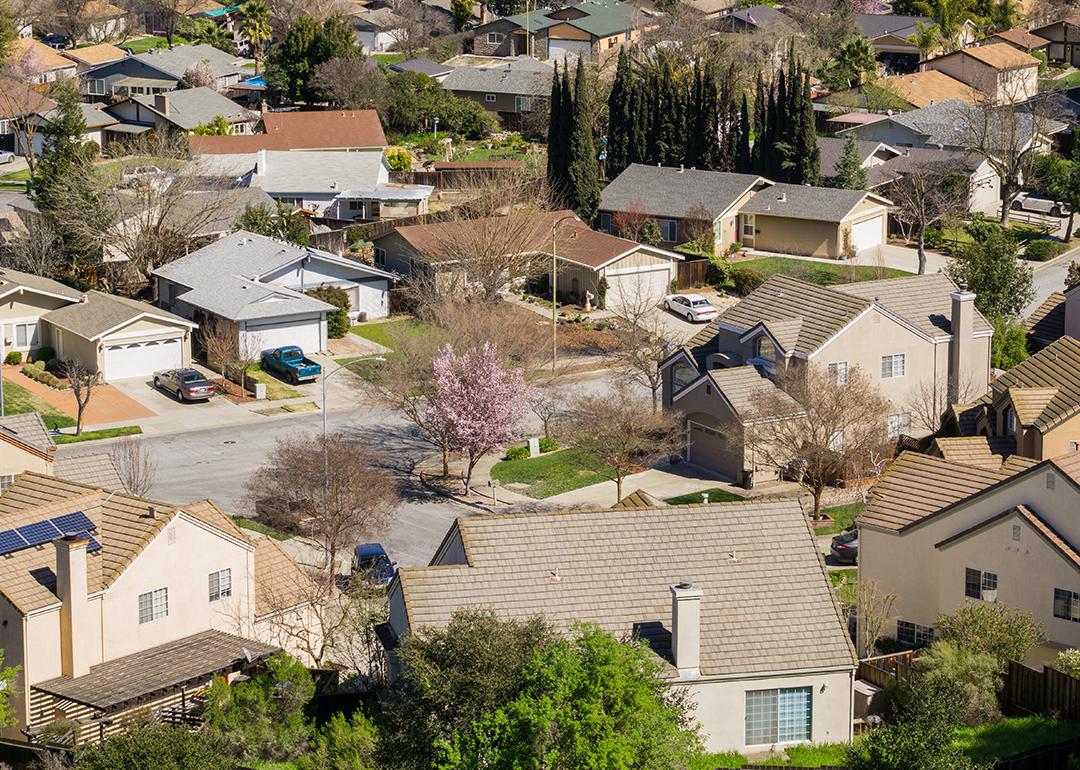
The 7 biggest deal killers for home sellers right now, and how to avoid them
The 7 biggest deal killers for home sellers right now, and how to avoid them
You鈥檝e accepted an offer, signed the paperwork, and started picturing your next move. Then, suddenly, things slow down or fall apart entirely. Maybe the inspection uncovers an issue or the buyer鈥檚 financing hits a snag, and you鈥檙e back at square one. It鈥檚 a frustrating reality, but even strong offers don鈥檛 always make it to the closing table.
According to the (NAR), about 6% of contracts don鈥檛 make it to the finish line, and many others face delays along the way. The good news is that these setbacks often follow familiar patterns.
In this guide, breaks down the biggest home sale deal killers affecting sellers today and how you can avoid them.
1. Your home鈥檚 sewer, roof, or furnace fails inspection
Deals often start to unravel at the . Problems like aging systems, deferred maintenance, or structural damage can surface late, giving buyers a reason to renegotiate or walk away. Even minor issues can raise red flags as repairs start to add up. With today鈥檚 buyers more cost-conscious and wary of taking on major work, unexpected problems can feel like a big risk.
鈥淪ewer, roof, and furnace are the three big items that, if there are issues with them, can cause a buyer to cancel a transaction,鈥� says , a Colorado real estate agent with more than three decades of experience.
For sellers, a little preparation can go a long way. A helps you catch major issues early and focus on the small fixes that offer the most value, while clear disclosures set expectations upfront. with its condition in mind can also help keep negotiations on track and your sale moving forward.
2. Your buyer鈥檚 financing collapses
Few things are more frustrating than finding out your buyer doesn鈥檛 have the money to back their offer. Even well-qualified buyers can run into trouble once underwriting begins. A job change, new debt, or missing documentation can delay approval or .
Graves says rising ownership costs are playing a bigger role. 鈥淚t鈥檚 causing buyers to actually have to terminate the loan because the payment ends up being too high,鈥� she explains, pointing to increases in insurance, taxes, and HOA fees.
To protect yourself, look for buyers who are fully vetted or preunderwritten, not just . It also helps to pay attention to the lender involved and how clearly they communicate throughout the process. Offers from buyers who are stretching their budget may carry more risk, so a slightly lower but stronger offer can sometimes be the safer choice.
3. Your buyer鈥檚 own home sale falls through
Some offers come with conditions that can put your deal at risk. These are known as , meaning the sale depends on certain requirements being met before closing. Buyers often include an inspection or financing contingency to protect against the first two deal killers above.
In the current tepid market, one of the most common safety-net clauses used by buyers is the , meaning that, to purchase your house, the buyer must first sell their own home. Until this condition is satisfied, the deal isn鈥檛 final and can still fall through.
To reduce risk, sellers may want to prioritize offers with fewer contingencies or negotiate shorter timelines when possible.
If you do accept a contingent offer, keep the lines of communication wide open. As Graves puts it, 鈥淐ommunication is very important between all the agents involved in those contingencies because we need to know how things are going in terms of the deadlines."
It can also help to continue or keep a backup offer in place. In some cases, sellers add a , allowing you to move on to another offer if the buyer can鈥檛 remove their contingency in time.
4. Your home鈥檚 appraisal comes in low
An can quickly change the direction of a deal. If your home comes in below the agreed-upon price, lenders typically won鈥檛 cover the gap, leaving buyers to make up the difference in cash or renegotiate. If buyers don鈥檛 have the funds, the deal can hit a dead end.
While this feels daunting, there are steps you can take to keep your sale on track.
鈥淭he seller agent can negotiate and maybe meet in the middle somewhere with the price,鈥� says Graves. This way, 鈥渢he seller doesn't have to take the entire hit on the purchase price.鈥� If the buyer won鈥檛 agree to split the difference, she says sellers can revisit they鈥檝e already offered, such as closing cost help or repair credits, and adjust the price accordingly.
To lower your risk of from the start, price your home based on recent, realistic . An agent can help select the right comparables and position your home in line with how appraisers assess value. It also helps to ask buyers upfront if they can cover a potential gap.
5. Your title search reveals an unpleasant surprise
Some deal problems don鈥檛 show up until the final stages. Title issues, such as unpaid taxes, old , boundary disputes, or unclear ownership, can surface during escrow and put everything on hold. Many sellers don鈥檛 realize these problems exist until a title search reveals them, but they need to be resolved before closing.
Graves notes that situations like or title name discrepancies can also cause delays. Sellers can usually fix these issues, but this can take extra time and coordination.
To avoid surprises, it helps to run a preliminary title report early in the process. This gives you time to resolve any problems before you鈥檙e under contract. Working with an experienced agent and can also make a big difference, helping you clear issues quickly and keep your sale on schedule.
6. Your buyer gets cold feet, chilled by uncertainty
Not every deal falls apart because of an obvious issue. Sometimes buyers simply get nervous or change their minds. With ongoing concerns about , affordability, and overall economic uncertainty, some buyers feel less confident about the future. Some contracts also include clauses that give buyers a window to back out, which can make it easier for second thoughts to turn into canceled deals.
To keep buyers committed, sellers can focus on maintaining momentum. Clear timelines, quick responses, and steady communication can help keep everyone on track. A smooth, low-stress experience from contract to closing can reduce second-guessing.
It鈥檚 also smart to have a backup plan. Continue marketing your home, line up a backup offer, or consider a so you have options if a buyer decides not to move forward.
7. Miscommunications, mistakes, and mix-ups
Even solid deals can fall apart when communication breaks down. With agents, lenders, buyers, and sellers all involved, it doesn鈥檛 take much for wires to get crossed. A missed deadline, a delayed response, or unclear expectations can quickly create confusion.
罢辞诲补测鈥檚 , leaving little room for mistakes or mix-ups. When people aren鈥檛 on the same page, small issues can quickly turn into deal-breaking ones.
Graves says she often sees this happen when conversations rely too heavily on texting. 鈥淭exts are important, but when it is a negotiation type of thing that happens between the buyer agent and the listing agent, or between the buyer and the seller, I think that phone call communication is better than text communication. It's really hard to negotiate with a text or with an email.鈥�
Sellers can keep things running smoothly by working with . Set clear expectations from the start, confirm important deadlines, and stay in regular contact so nothing falls behind.
How sellers can protect their deal from day one
The truth is, most home sale deal killers aren鈥檛 random. They鈥檙e predictable and, with the right approach, often preventable. Sellers who take a proactive approach from the start are more likely to avoid the biggest pitfalls and keep their deal intact.
Here are a few ways to set yourself up for a smoother sale:
- Work with a professional: An experienced agent can guide pricing, vet offers, and flag potential red flags before they become problems. Agent-matching services can help you .
- Look beyond the offer price: A strong offer isn鈥檛 just about numbers. Pay attention to contingencies, financing strength, and the buyer鈥檚 overall position.
- Prepare your home and paperwork: Prelisting inspections, clear disclosures, and early title work can prevent surprises later in the process.
- Stay organized and responsive: Keep a close eye on deadlines, respond quickly to requests, and make sure all parties stay aligned.
It can also help to understand your options if a deal falls through. Some sellers keep their home on the market or consider , which can reduce delays tied to financing and contingencies.
For even greater certainty, many homeowners who are buying and selling are turning to . These modern solutions unlock existing equity, allowing you to make a stronger, on your new home and only move once.
With the right preparation and expert guidance, you can approach your sale with more confidence and avoid these seven home sale deal killers.
was produced by and reviewed and distributed by 爆料TV.