How new vehicle technologies improve nighttime driving safety
It鈥檚 that time of year again, when we have just moved our clocks forward one hour as Daylight Saving Time went into effect on March 8. It鈥檚 yet another signifier that spring and warmer weather are right around the corner. It also brings more motorists who take to the roads after the sun sets or find themselves commuting in pre-dawn conditions. Which begs the question: How well-equipped is your vehicle for driving in the dark?
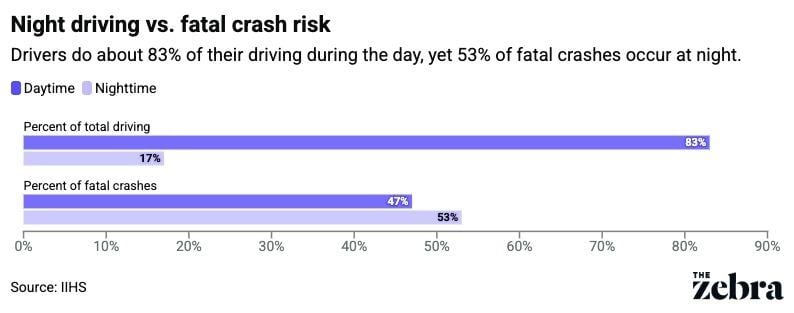
In this article, explores the ins and outs of this important question. Although only 25% of driving occurs after dark, half of traffic fatalities happen at night, per the National Safety Council, and you are about to be involved in a fatal at night than during the day.
Tools for Seeing and Reacting at Night
The Governors Highway Safety Association (GHSA) reports that fatal pedestrian crashes at night between 2010 and 2023, and reveals that admits to at least once in the past month: a startling statistic considering that we鈥檙e all about to lose an hour of sleep this weekend.
Thankfully, currently available or near-market technologies have improved nighttime driving for many. Let鈥檚 take a closer look at some of the most innovative and impactful safety features offered on as standard or optional features. These features can make a big difference when you get behind the wheel at night.
Adaptive and Matrix LED Headlights
Having effective headlights can literally be a lifesaver. Consider that cars with 鈥済ood鈥� rated headlights have than those with 鈥減oor鈥� ratings, based on recent Insurance Institute for Highway Safety data.
Traditional headlights in older rides have two settings: low and high beam. But adaptive headlights actively adjust based on speed, steering angle and traffic conditions.
鈥淎daptive headlights turn with your steering input and adjust their beam based on speed, helping you see deeper into curves and further down dark roads instead of lighting up empty space,鈥� says Lauren Fix, author of Car Coach Reports.
Matrix LED systems go a step further by using multiple light segments that automatically dim around oncoming traffic while keeping the rest of the road brightly illuminated, improving visibility without blinding other drivers.
鈥淔rom a safety standpoint, these headlight advancements dramatically improve visibility distance, especially on dark highways or rural roads. Drivers can better identify pedestrians, animals and road hazards much sooner, which gives them more time to react,鈥� says automotive expert Zoriy Birenboym.
Advanced Driver Assistance Systems (ADAS) At Night
Imagine having a personal onboard safety companion that warns you of forthcoming hazards on the road you might not be aware of. ADAS is that companion, and it鈥檚 typically a standard feature on many new cars, present as adaptive cruise control, lane keep assist, automatic emergency braking, blind spot monitoring and other included tech.
鈥淏y using onboard sensors, cameras, radar and lidar to monitor the road, your ADAS-equipped car will warn you of any hazards and, in some cases, even intervene automatically,鈥� Luke Oswald, an automotive specialist with Wheels Away, explains. 鈥淭his is particularly useful for nighttime driving. Infrared technology can detect pedestrians, animals and stranded vehicles that would otherwise go unnoticed by drivers after dark. And drowsiness sensors, found in some vehicles, even monitor the need for a rest break when necessary.鈥�
Think of ADAS as a second set of eyes that never gets tired. Technology like this is one reason newer vehicles sometimes carry different insurance premiums than .
鈥淩adar and sensor-based systems are not affected by darkness the way human vision is,鈥� Birenboym adds.
Infrared and Thermal Night Vision Systems
The 1987 sci-fi thriller 鈥淧redator鈥� depicted a savvy alien hunter that used to detect heat signatures from nearby people, animals and objects. Amazingly, the latest automobiles can do the same, thanks to infrared and thermal night vision systems that employ forward-facing cameras mounted at the front of the vehicle to sense movement, heat and reflected infrared light ahead of you, even when the road is obscured by darkness.
鈥淭hese systems display a real-time image on your instrument cluster or head-up display,鈥� Fix notes. 鈥淭hat means you can spot pedestrians, cyclists and even hundreds of feet ahead in total darkness, giving you valuable extra seconds to react and dramatically improve safety during nighttime driving.鈥�
Augmented Reality Head-Up Displays (AR HUDs)
If your car comes with an AR HUD, it projects driving data and approaching hazards directly onto your windshield, including speed, navigation arrows, hazard alerts and lane guidance.
鈥淎t night, this is particularly helpful because drivers don鈥檛 need to look down at the dashboard or infotainment screen, which takes their eyes off the road. Instead, the information appears in the driver鈥檚 line of sight, aligned with the road itself,鈥� Birenboym continues. 鈥淚t reduces distraction and helps you make quicker, safer decisions.鈥�
Smart Infrastructure And Speed-Assist Technology
Many new vehicles also use cameras, GPS and map data to identify speed limits, road conditions and traffic patterns. Smart infrastructure provides real-time road information that helps keep you informed of the road ahead, including any hazards or traffic slowdowns to come. Speed-assist technology, meanwhile, reads speed limit signs and automatically alerts you that you are speeding via a visual or audible warning.
鈥淗aving additional information like this is always going to make driving safer, especially at night when things are much harder to see in peripheral vision or when you are expecting the roads to be quiet,鈥� says Oswald.
Some systems adjust your speed based on forthcoming traffic, exits or curves to decrease the likelihood of sudden braking or loss of control. 鈥淗owever, not all of these features are fully integrated across the road network yet, and speed-assisted warnings have been known to be inaccurate in poor weather,鈥� Oswald cautions.
How Car Insurance Applies After an Accident
For drivers involved in these crashes, factors like fault, coverage limits and determine how much their car insurance pays after an accident.
Key insurance factors to understand:
- Fault: The driver found responsible for the crash typically has their pay for injuries and property damage.
- Coverage limits: Your policy limits determine the maximum amount your insurer will pay for injuries or vehicle damage after an accident.
- Deductibles: If your vehicle is damaged, collision coverage may help pay for repairs, but you鈥檒l need to pay your deductible before insurance covers the remaining costs.
- Safety features: Vehicles equipped with advanced driver assistance systems (ADAS), automatic braking or other safety tech may qualify for insurance discounts with some insurers.
- Multiple coverages may apply: Depending on the situation, claims may involve liability, , especially if factors like animals, poor visibility or road hazards contribute to the crash.
The Risks After Dark
Daylight Saving Time brings more welcome sunshine to the p.m. hours. But it has also been shown to during the week following the forwarding of the clocks in March. That鈥檚 why it鈥檚 smart to choose vehicles that include the latest nighttime driving technology, which may even save you money on your car insurance through or lower accident risk.
But just remember that, while the newest high-tech features can reduce risk, they won鈥檛 eliminate it. Avoid distracted and sleepy driving, and always
Additional Sources
- Interview with Lauren Fix.
- Interview with Zoriy Birenboym.
- Interview with Luke Oswald.
was produced by and reviewed and distributed by 爆料TV.