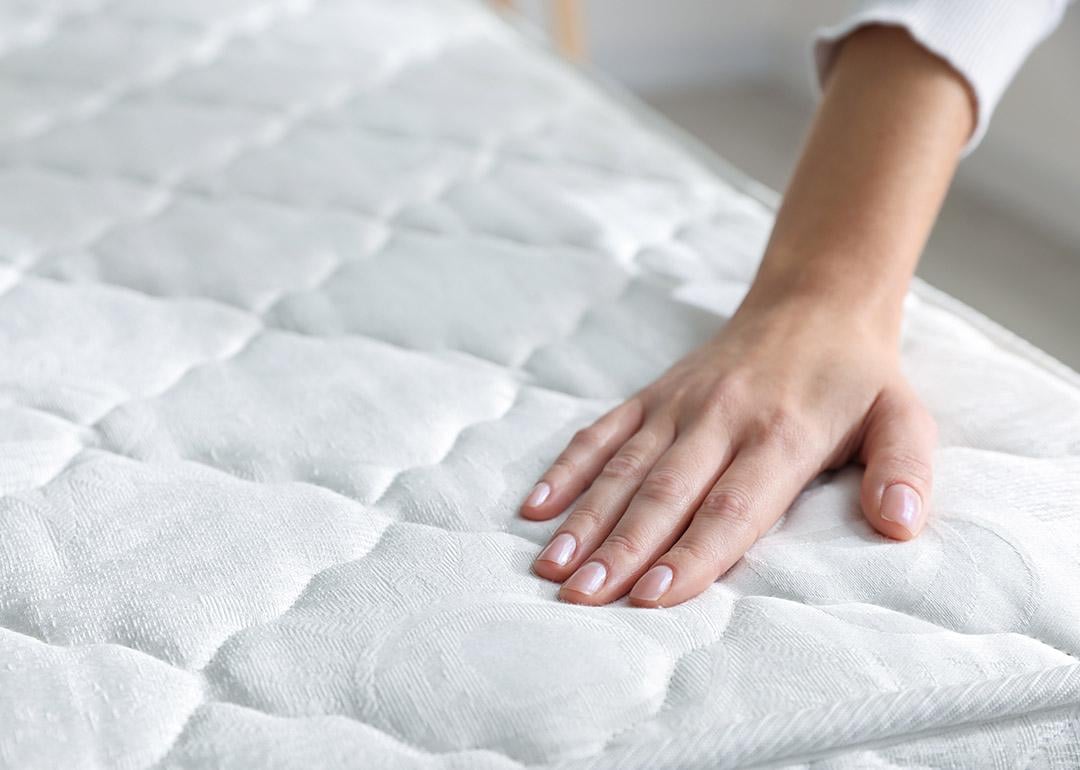
Does your mattress contain these toxic materials?
Does your mattress contain these toxic materials?
That 鈥渘ew mattress smell鈥� might seem harmless. Comforting, even. But it could be a sign that your mattress is releasing a mix of volatile chemicals into the air you breathe all night long. These are ingredients you鈥檒l never see on a label, from flame retardants and phthalates to VOCs and formaldehyde. These compounds can linger in your bedroom air , quietly affecting your health as you sleep.
And here鈥檚 the catch: Most people have no idea they鈥檙e even there.
The truth is, conventional mattresses are often made with industrial materials designed for cost-efficiency and compliance, not human health. And while these materials may pass safety regulations, that doesn鈥檛 mean they鈥檙e safe for long-term exposure, especially in the one place that should support deep rest and recovery.
spotlights the top toxic chemicals commonly found in mainstream mattresses and explores how they can affect your health.
1. Flame-Retardant Chemicals and Barriers
In the 1970s, U.S. fire safety regulations began requiring household items, including mattresses, to meet strict flammability standards. The intention was good: Reduce the risk of fires caused by cigarettes and open flames. But rather than rethinking mattress design, many manufacturers turned to as a quick fix.
Unfortunately, these chemicals came with a steep tradeoff. Substances like (PBDEs) were commonly used for years before research linked them to hormone disruption, neurodevelopmental issues, reproductive harm and even cancer. Although PBDEs have since been phased out, they鈥檝e often been replaced by other , like organophosphates and chlorinated flame retardants.
And it鈥檚 not just chemicals you need to watch out for. In recent years, some lower-cost mattresses have started using as a flame barrier. It鈥檚 often woven into an inner sock-like layer beneath the outer cover. While fiberglass is technically effective at preventing fire spread, it can be a nightmare if the mattress cover is ever removed or damaged, releasing tiny glass fibers into your home鈥檚 air and surfaces. These fibers can , and they鈥檙e incredibly difficult to clean up.
How to Avoid Flame Retardant Chemicals:
It's very possible to meet and exceed fire safety requirements without toxic additives or fiberglass. Certified organic wool, for example, is a natural flame barrier that doesn鈥檛 require chemical treatment. PLA, a plant-derived synthetic fiber, is another example. Avoid mattresses made out of highly flammable materials like memory foam, which often require more intensive chemical treatment to pass standards. And, whatever you choose, look for third-party certifications like GOTS (Global Organic Textile Standard) or MADE SAFE, which prohibit both chemical flame retardants and fiberglass in certified products.
2. VOCs
That chemical 鈥渘ew mattress smell鈥� mentioned above? It鈥檚 likely caused by , volatile organic compounds that off-gas from synthetic materials. VOCs are gases emitted from certain solids or liquids, including adhesives, foams and chemical finishes commonly found in paint, carpeting and .
It鈥檚 important to note that not all VOCs are harmful. Some occur naturally and are relatively harmless in low concentrations. However, mattresses can emit a mix of VOCs, and some of the most concerning include formaldehyde, benzene, toluene and acetaldehyde. These chemicals are that range from respiratory irritation, headaches and dizziness to organ damage and cancer.
Because we spend such a large portion of our lives sleeping 鈥� and often in closed, poorly ventilated rooms 鈥� chronic exposure to even low levels of harmful VOCs can become a serious concern. Babies and young children are particularly vulnerable to due to their size and faster breathing rates.
How to Avoid VOCs:
Opt for mattresses that are certified by GREENGUARD Gold, EWG Verified or MADE SAFE, which test for VOC emissions and set strict limits on off-gassing. Look for materials like , organic wool and GOLS-certified latex that don鈥檛 rely on harsh chemical treatments or synthetic adhesives, and avoid materials known for off-gassing, such as:
- Memory foam
- Other polyfoams such as and "eco"/"bio" foams
- Synthetic latex
- (if they use glues/adhesives)
3. Formaldehyde
Some of the most harmful VOCs in mattresses come from one particular source: formaldehyde. Formaldehyde is a colorless, strong-smelling gas that鈥檚 often used in glues, adhesives and chemical finishes, especially in the production of foam, textiles and composite wood products. In mattresses, it can show up in adhesives that bind layers together or in wrinkle-resistant fabric finishes. Even coil systems aren鈥檛 exempt 鈥� encased coils are often individually wrapped in fabric and held together with adhesives that may contain formaldehyde or other VOC-emitting compounds.
Formaldehyde is classified as a known human by the . Long-term exposure has been linked to respiratory issues, skin irritation and increased cancer risk, particularly for the nose and throat.
While some mattress manufacturers claim to use only trace levels or 鈥渓ow-emitting鈥� adhesives, formaldehyde can still off-gas over time, especially in warm, enclosed environments like bedrooms. And since there鈥檚 no requirement to disclose its presence, most consumers have no idea it鈥檚 there.
How to Avoid Formaldehyde:
Choose a mattress that avoids synthetic adhesives altogether or uses only verified safer alternatives. GOTS certification strictly prohibits formaldehyde, while GREENGUARD Gold certification ensures emissions stay well below established safety thresholds. For added peace of mind, you can also look for the UL Formaldehyde Free validation, which independently confirms that a product contains no intentionally added formaldehyde and meets strict safety standards for emissions.
4. Polyurethane Foam
Polyurethane foam is one of the most common materials used in conventional mattresses, and one of the biggest contributors to chemical exposure in the bedroom. Made from petroleum-based chemicals, this synthetic foam is inexpensive, versatile and easy to produce, which is why it's often used as the base layer or comfort layer in mattresses.
But the low price comes at a high cost. Polyurethane foam is a including toluene, methylene chloride and other chemical byproducts released during off-gassing. It鈥檚 also highly flammable, which is why it鈥檚 often paired with chemical flame retardants to meet safety regulations, compounding the risk.
Some variations, like memory foam (also known as viscoelastic polyurethane foam), can contain even more chemical additives to alter density, texture or . These additives aren鈥檛 always disclosed, and many memory foam mattresses emit strong chemical odors for days or even weeks after unboxing.
How to Avoid Polyurethane Foam:
Avoid mattresses made with memory foam, soybean foam or "eco" foams, even if they're labeled 鈥渓ow-VOC.鈥� Instead, choose mattresses made with certified organic latex, which is plant-derived, durable and provides that contouring feeling that polyurethane foam is known for without the chemical baggage. Certifications like GOLS (Global Organic Latex Standard), FSC, GOTS, EWG Verified and MADE SAFE can help you identify healthier options.
5. Phthalates
Phthalates (pronounced THAL-ates) are a group of chemicals commonly used to make plastics flexible and durable. In mattresses, they鈥檙e most often found in waterproof covers, vinyl layers and certain synthetic fabrics, particularly in crib and children鈥檚 mattresses, where .
The problem? are known . That means they can interfere with the body鈥檚 hormone systems, potentially , such as developmental delays, reproductive issues, reduced fertility and even behavioral problems in children. Young children are especially vulnerable depending on their size, developmental stage and the amount of time spent sleeping.
While some types of phthalates have been banned in children鈥檚 products in the U.S., these bans don鈥檛 always apply to all mattress components or to adult mattresses. And unless a company is transparent about their materials, it鈥檚 hard to know whether phthalates are lurking in layers you can鈥檛 see.
How to Avoid Phthalates:
Seek out mattresses that are clearly labeled phthalate-free and vinyl-free, especially when shopping for babies and young children. Look for GOTS-certified or MADE SAFE-certified products, which prohibit the use of phthalates entirely. If waterproofing is important, like PLA-based waterproof layers (made from non-GMO sugarcane), food-grade polyethylene or GOTS-approved TPU.
Do You Really Know What You're Sleeping On?
Mattresses shouldn鈥檛 come with a hidden list of chemicals, but too often, they do. And because most of these chemicals are tucked away beneath layers of foam or fabric, you鈥檇 never know they were there unless you asked. That鈥檚 why transparency matters. And so does knowing what to look for.
Today, more mattress brands are using buzzwords like 鈥渃lean,鈥� 鈥渘atural鈥� or 鈥渆co-friendly鈥� without offering real proof. This is nothing more than , marketing meant to make products sound safer than they really are. If a brand doesn鈥檛 clearly disclose its materials or offer independent certifications, it鈥檚 worth questioning what they might be trying to hide.
What to do instead? Look for certifications you can trust, like:
- GOTS
- EWG Verified
- GOLS
- MADE SAFE
- GREENGUARD Gold
- UL Formaldehyde Free
Don't lose sleep over what you're sleeping on. Choose a third-party certified mattress and kick toxins out of your bedroom.
was produced by and reviewed and distributed by 爆料TV.