NCJ/NCJ Archive/Mirrorpix via Getty Images
1 / 10The early days: status symbols and sports
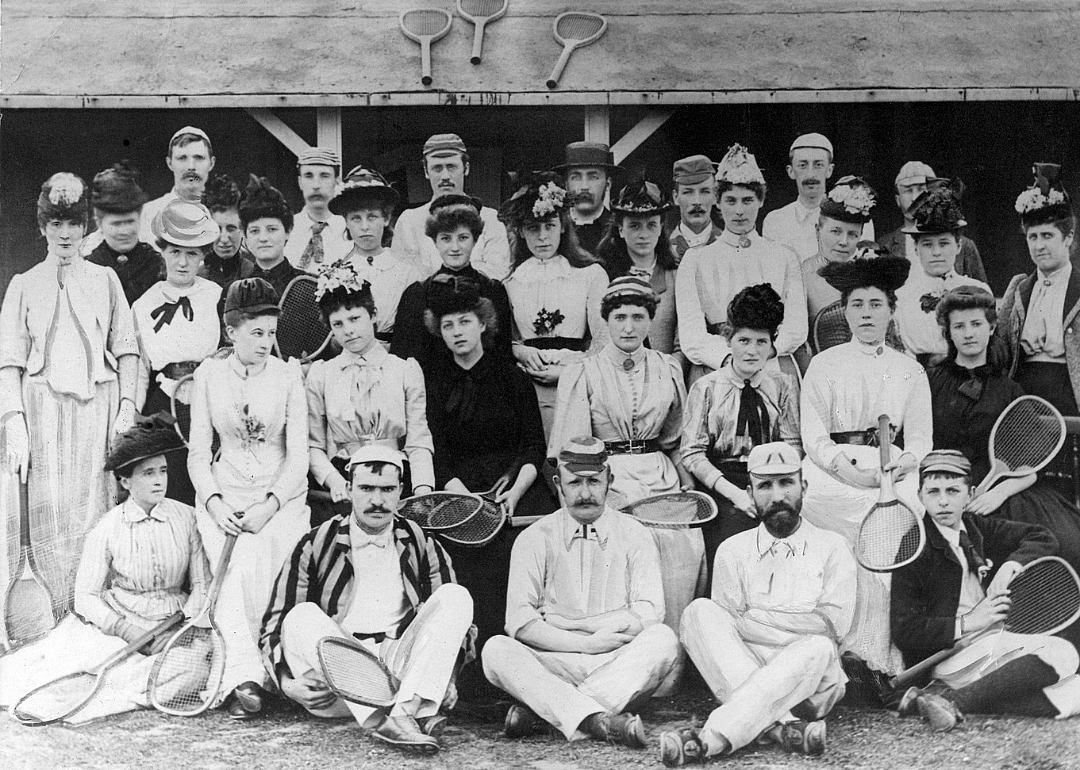
Before sneakers became a must-have in every hypebeast's closet, they were rubber-soled shoes made for a game of tennis. Around the industrial age, when newly-rich industrialists flaunted their wealth through leisure, they revived the ancient game, adopting the sport's signature white clothing and rubber-soled shoes to boot, according to Semmelhack. The other theory is that croquet, which was popular around the 1860s, was responsible for the shoe's increased adoption, according to Smith in his book "Kicks."
Either way, sneakers were unquestionably birthed as a status symbol. "Rubber itself was extremely expensive. It's a sap of a tree you can only get a cup from every other day, and only grew in Brazil and certain parts of Central America," Semmelhack said. "In the first half of the 19th century, a pair of rubber shoes cost over five times the cost of a good pair of leather shoes."
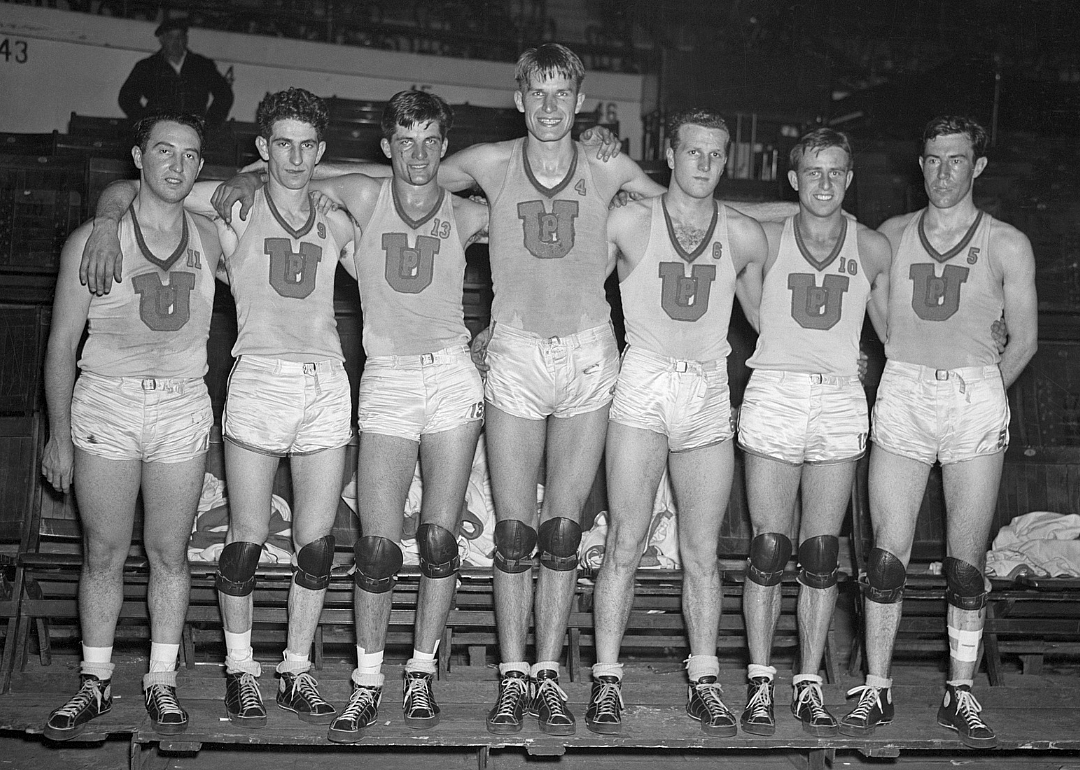
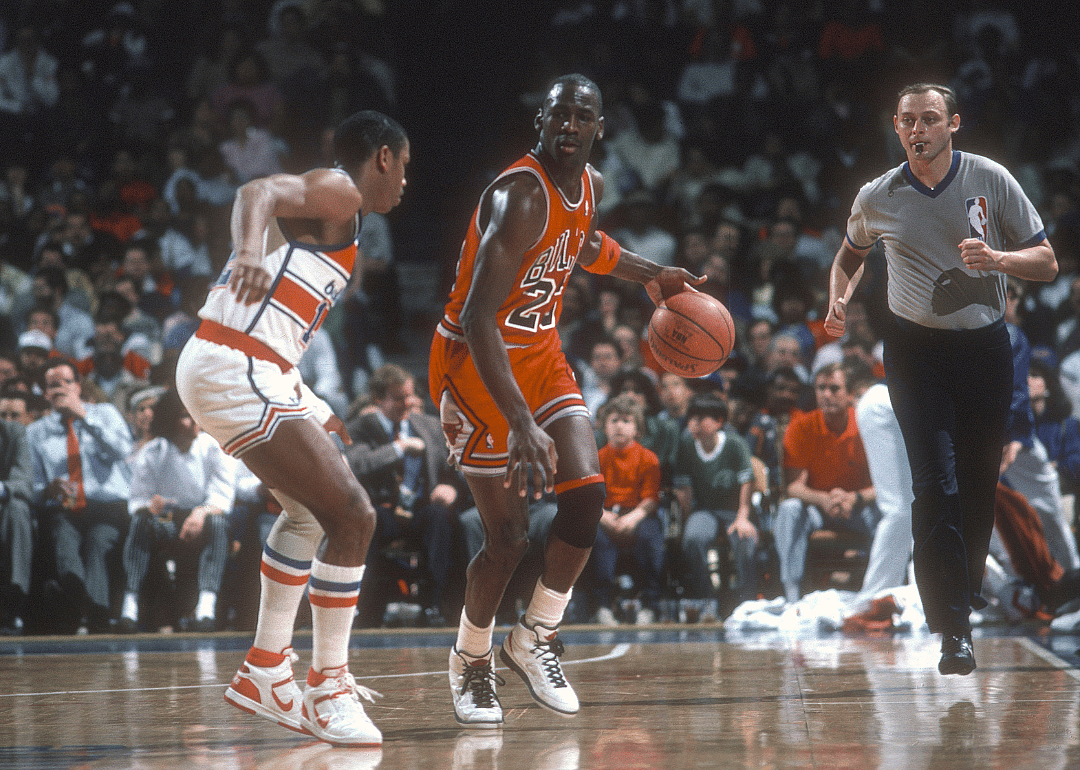
Later on, the prices of rubber would go down, and sports were bolstered by the idea that physical activity could address the ills of a society in the throes of industrial progress. As the number of people who played sports increased, so did sales for gear and footwear. It was basketball, however, and the Converse Rubber Company, that got the ball rolling in this direction when they hired Chuck Taylor, a basketball player with a knack for showmanship and sales, in 1921.