98% greenwashing: Big Meat follows in Big Oil鈥檚 footsteps
98% greenwashing: Big Meat follows in Big Oil鈥檚 footsteps
In 2024, two major meat companies, , faced unprecedented legal scrutiny over unsubstantiated claims each made about cutting their climate impacts 鈥� in other words, they were . JBS was sued by New York鈥檚 attorney general over deceptive marketing for its pledge to reach net-zero emissions by 2040. The company had only documented plans to increase production, which would increase its carbon footprint, not decrease it. The case resulted in a , and JBS had to revise language around its climate commitments 鈥� though the company did not admit any fault.
Similarly, Tyson was sued by the Environmental Working Group over its promise to reach net-zero emissions by 2050, in addition to its so-called . Tyson鈥檚 net-zero commitment and climate-friendly beef claims could not be substantiated. Without admitting fault, Tyson agreed to stop making such claims unless independently verified. Brazen Beef is currently unavailable for purchase.
But this issue is not exclusive to JBS and Tyson. Baseless sustainability claims are widespread among top meat and dairy producers worldwide, and according to , 98% of those claims made by 33 of the top meat and dairy companies could be classified as greenwashing.
Big Promises, Small Actions
Many have launched sustainability initiatives promising to cut climate emissions. This comes in response to growing environmental awareness, particularly among consumers and investors concerned about the industry鈥檚 disproportionately high contribution to compared with other food producers. According to the latest research, though, these companies 鈥減rovide very little supporting evidence鈥� of meaningful climate action.
Rather, the industry conveys an appeasing but misleading message to the public. 鈥淚t has said, 鈥榃e don鈥檛 need to worry about the present. We鈥檙e going to . This will all be cleaned up.鈥� And they鈥檙e not making actual progress,鈥� Jennifer Jacquet, one of the study authors and professor of environmental science and policy at the University of Miami, tells .
Evidence suggests that 98% (or 1,213 out of 1,233) environmental claims made by meat and dairy companies in public sustainability reports and on websites 鈥渃ould be classified as containing indicators of greenwashing,鈥� according to the report. Greenwashing 鈥渋nvolves policies or practices that appear environmentally friendly but have little meaningful impact.鈥�
Greenwashing can include promises about the future, or future-washing, 鈥減articularly when there is no clear effort to achieve such a promise,鈥� like in the 2024 cases against Tyson and JBS. Another example of greenwashing includes vague claims that may , making it difficult for researchers or consumers to tell if initiatives have any meaningful climate impact. Only 356 (29%) of the total environmental claims offered any supporting evidence, such as studies or internal pilot programs. 鈥淢ore than two-thirds of environmental claims lacked any evidence, making it difficult to assess their credibility,鈥� according to the analysis.
Some of the global companies included in the analysis were Perdue, Smithfield, Cargill, Nestle, Danone, and Hormel. The majority of the claims (68%) were related to climate, and Danone had a particularly high number at 106.
The prevalent climate angle indicates that 鈥渃limate change now functions as the primary lens through which meat and dairy companies present 鈥榮ustainability,鈥欌�� write the researchers, 鈥渁nd other environmental issues are relatively peripheral.鈥�
Jacquet says that consumers are being told by meat and dairy companies they 鈥渄on鈥檛 need to scrutinize what they鈥檙e eating because the companies are on it. And what we鈥檙e showing is, no, they鈥檙e just on the rhetoric. They鈥檙e not on the action.鈥�
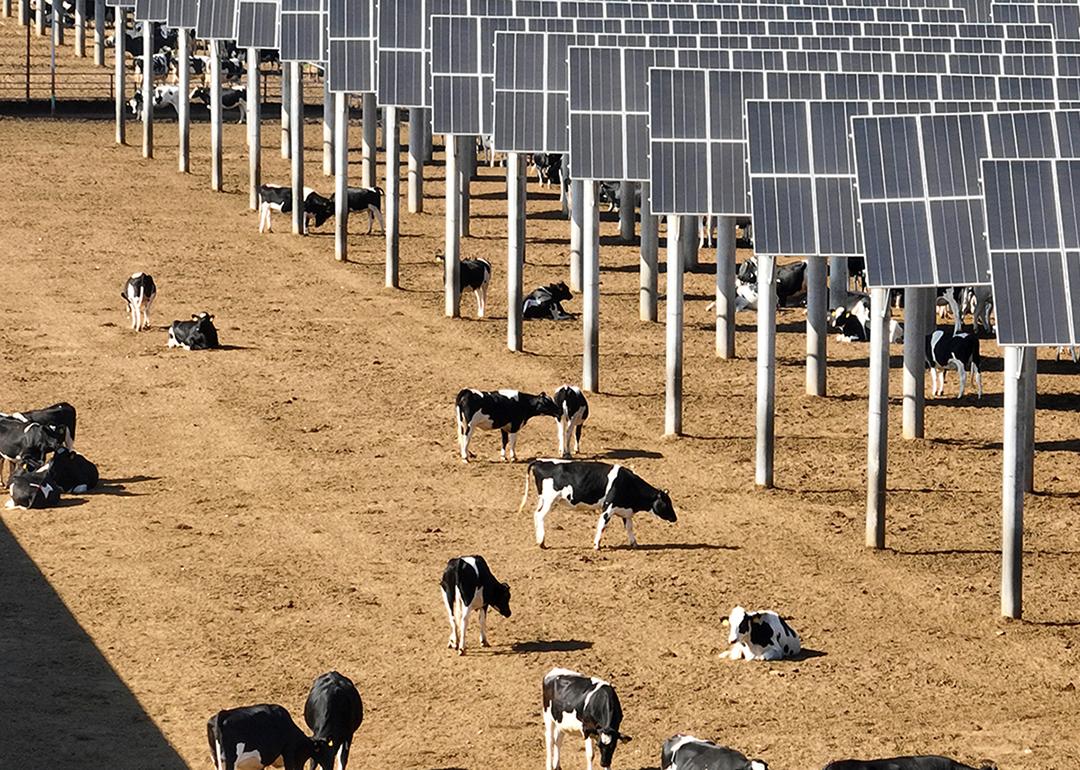
Some of the meat and dairy companies highlighted environmental improvements, such as replacing a boiler or adding solar panels, as evidence of climate action. The study states these minor changes can distract from the company鈥檚 largest sources of emissions 鈥� farming animals. The actions some companies took toward sustainability were often negligible compared to their sustainability goals. For example, U.K.-based Arla Foods launched a 鈥渞egenerative agriculture pilot鈥� on 24 farms. According to the report, Arla is the world鈥檚 fourth-largest dairy company and a cooperative of over 12,700 farmers. This means that the pilot represents only 0.0019% of its total operations. The company also reported installing solar panels on a single cheese packing facility. 鈥淪uch a narrow, site-specific practice is small relative to the scale of its overall environmental footprint,鈥� write the researchers.
A Page Out of Big Oil鈥檚 Book
The study also draws a direct parallel to the fossil fuel industry, noting that the meat and dairy sector may be employing similar tactics as Big Oil, which has used greenwashing over the last several decades to delay meaningful climate action.
A 2024 , a European research organization that focuses on exposing corporate greenwashing and environmental harm, found that the livestock sector has been adopting , including a strategy to slow climate action. It states that major meat and dairy companies use Big Oil tactics, such as greenwashing and selective science, to obscure emissions and avoid regulation. 鈥淚nstead of investing in proper plans and trajectories to cut emissions, the report reveals that companies prefer to invest in the science that suits their agenda,鈥� including downplaying the impact of methane emissions and leaning on narratives about regenerative agriculture.
The authors of the PLOS Climate study point out that, like the oil industry, many of the agricultural companies with net-zero commitments are also partially owned by , an American multinational investment company and the world鈥檚 largest asset manager. 鈥淚n a sample of 69 U.S. oil companies, net-zero commitments were more common specifically in cases when BlackRock held some ownership,鈥� the researchers observe. 鈥淐onsistent with this pattern, BlackRock owns shares in nine of the 17 meat and dairy companies with net-zero commitments in our sample.鈥�
Concern for Consumers
Greenwashing can shape how we view the livestock industry and its relationship to the environment. Creating a false sense of progress 鈥渃an lead consumers and policymakers to believe these polluting industries are more environmentally friendly than they are,鈥� while allowing the industry to continue practices that 鈥渦ndermine climate mitigation and sustainability goals,鈥� warn the study authors. In turn, this perception can spread confidence across multiple audiences, and 鈥渢ranslate to continued support by investors, consumers, governments, corporate customers, and the public,鈥� even when meaningful environmental improvements aren鈥檛 really happening.
So what can be done? 鈥淭here are all sorts of mechanisms for accountability here that aren鈥檛 being currently leveraged,鈥� says Jacquet. 鈥淟itigation is one angle,鈥� like in 2024 with . 鈥淏ut of course, there could be more shareholder accountability. There could be more consumer concern. And so we thought a study of this nature might bring other stakeholders.鈥�
Ultimately, Jacquet says, if consumers have doubts about the authenticity of the actions that these companies are taking to address their environmental harms, they can choose to eat foods that are less greenhouse gas-intensive. 鈥淐onsumers make the decision about what to eat three times a day at a minimum,鈥� she says. And as the research confirms, .
was produced by and reviewed and distributed by 爆料TV.