The beautiful Venetian plant with a secret climate superpower
Venice鈥檚 landmarks teem with tourists 鈥� so many, in fact, that the city has had to , like banning guides from using loudspeakers. But just outside the famous canals and resplendent architecture sits an ecosystem that teems with less obnoxious forms of life: the Venetian lagoon. For millennia, its marshes have hosted a bevy of flora and fauna, and for centuries have by .
Now, protecting this habitat, and others like it, can help protect people and the planet. Traipsing through the wetland and sampling plants, researchers identified a carbon-capturing powerhouse, known as sea lavender, of the genus Limonium. By restoring these biomes, conservationists would not only boost local biodiversity, but also ensure its ability to trap that planet-warming gas. 鈥淪alt marshes are not only sites of carbon sequestration,鈥� said Tegan Blount, a geoscientist at Italy鈥檚 University of Padova, lead author of a new describing the research. 鈥淭heir conservation also protects many other ecosystem services, which are vitally important from a local to global scale,鈥� Blount explained to .
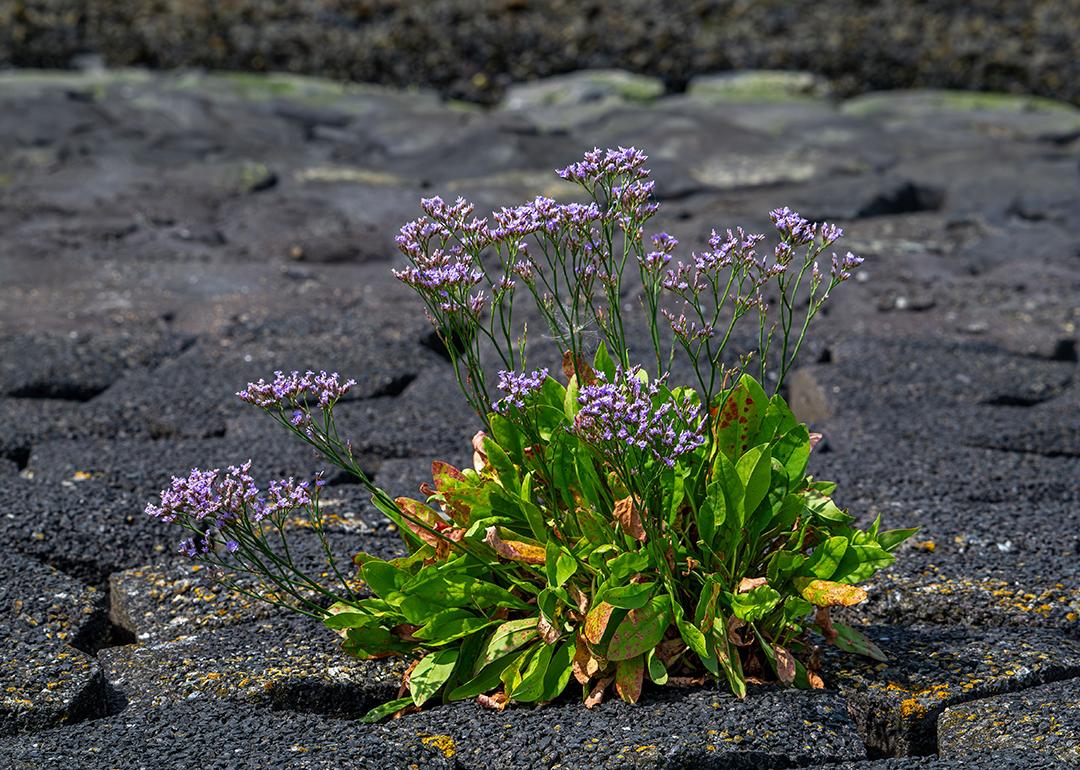
Aboveground, sea lavender is a stunner. True to its name 鈥� though technically it isn鈥檛 lavender 鈥� it produces lovely purple flowers that attract pollinators, thus supporting biodiversity. Unlike terrestrial lavender, though, Limonium tolerates salty, water-logged conditions, allowing it to thrive in the wetlands of the Venice lagoon. 鈥淒uring summer, the salt marsh meadows are tinted purple by an undulating mass of sea lavender flowers, rife with bees and other insects,鈥� Blount said.
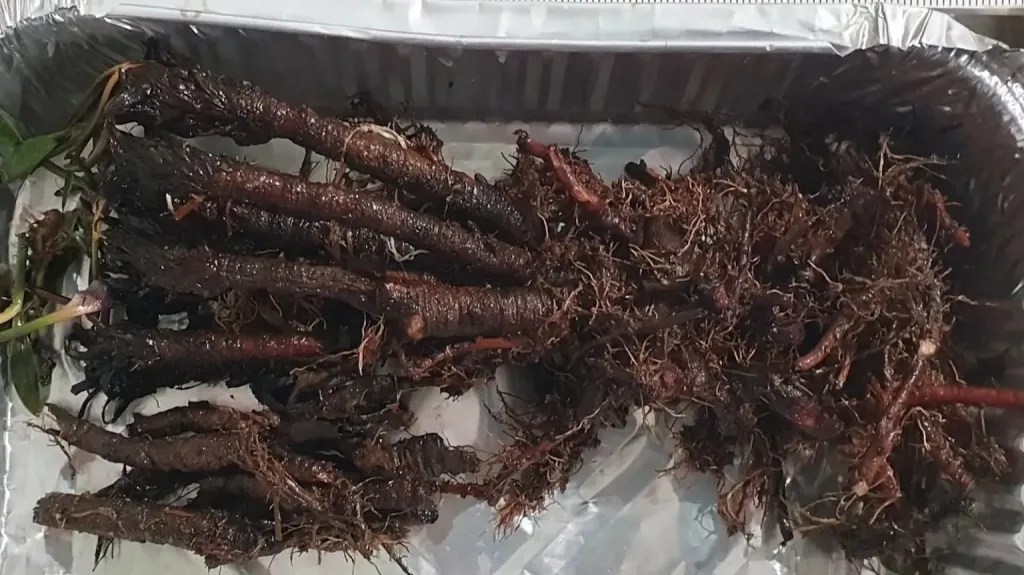
While Limonium is great to look at and all, these researchers were more interested in what鈥檚 belowground. Instead of a network of fine filaments, sea lavender鈥檚 mature rhizome system grows like a hand reaching up from the soil, with foliage sprouting from the fingertips at the surface. (That鈥檚 them in the photo.)
This impacts the Venetian marshes in several ways. With its sturdy root system and foliage, sea lavender anchors the waterlogged soil, generates organic material, and traps sediment, which reduces erosion and habitat loss in the face of pressures like sea level rise. It also can create a more stable and amenable environment for other salt-tolerant species, further boosting biodiversity. 鈥淪o it can also be a stepping stone,鈥� Blount said.
Even after it dies, this marvelous plant鈥檚 root system can persist for long periods, continuing to engineer the mud. The study found that compared to other marshy species in the area, like those in the genera Sarcocornia and Juncus, Limonium creates much more biomass below the ground than above it, and markedly enhances the organic carbon content of the sediment. In fact, sea lavender can retain 12 times as much biomass underground as you see growing topside.
By protecting these ecosystems, sea lavender can prosper alongside other species, so conservationists wouldn鈥檛 need to constantly tend to them, Blount said. Species of Limonium , too, from the coasts of North America to Africa to Asia. Restoring those habitats, then, would benefit biodiversity while enhancing carbon sequestration and storage. Additionally, healthy wetlands help absorb the force of hurricane storm surges, mitigating the inundation of coastal cities.
Properly restored, coastal ecosystems can be self-sustaining. Infrastructure like sea walls, on the other hand, is expensive to construct and maintain, especially as ocean levels rise. Given enough space to creep inland, wetlands can adapt. 鈥淭hese systems can keep up pace with sea level rise, as long as they can migrate backwards,鈥� said Emily Landis, global climate adaptation and resilience director at The Nature Conservancy, who wasn鈥檛 involved in the study. 鈥淭hat means they can still provide that essential adaptation, flood reduction benefit.鈥�
They bring economic benefits too, when conservationists work with Indigenous communities to determine how they use these ecosystems. Subsistence fishing, for instance, can be done in a measured way that ensures piscine populations don鈥檛 crash, which would be terrible both for the ecosystem and the humans that rely on it. 鈥淭hey know how to take care of their coastline,鈥� Landis said. 鈥淭hey know what is sustainable.鈥�
In the Venetian lagoon, fishers have long used valli da pesca, essentially ponds that function as artificial ecosystems. This provides shelter for baby fish to grow big enough to harvest. Taking animals out of these habitats may sound counterproductive, but in a way it incentivizes protecting these areas. 鈥淪o conservation is not just a matter of preserving the environment, but also to have something back,鈥� said Alice Stocco, an ecologist at the Ca鈥� Foscari University of Venice, who the valli da pesca but wasn鈥檛 involved in the new paper.
The value of sea lavender, then, isn鈥檛 just how much carbon it captures in the Venetian lagoon, but the habitats 鈥� and therefore economic and ecological benefits 鈥� it provides. 鈥淎n ecosystem 鈥� nature in general 鈥� has its own value, which is intrinsic and sometimes cannot be measured,鈥� Stocco said. 鈥淗ealthy ecosystems allow for healthy people.鈥�
was produced by and reviewed and distributed by 爆料TV.