A simple yet expensive way to climate-proof the grid: Bury the power lines
Power lines across the country weren鈥檛 designed for a changing climate, with much of the nation鈥檚 grid built more than half a century ago. Today, stronger storms and heavier precipitation contribute to hundreds of outages each year, many because of trees falling on above-ground power lines.
In northern Michigan, some utilities want to change that.
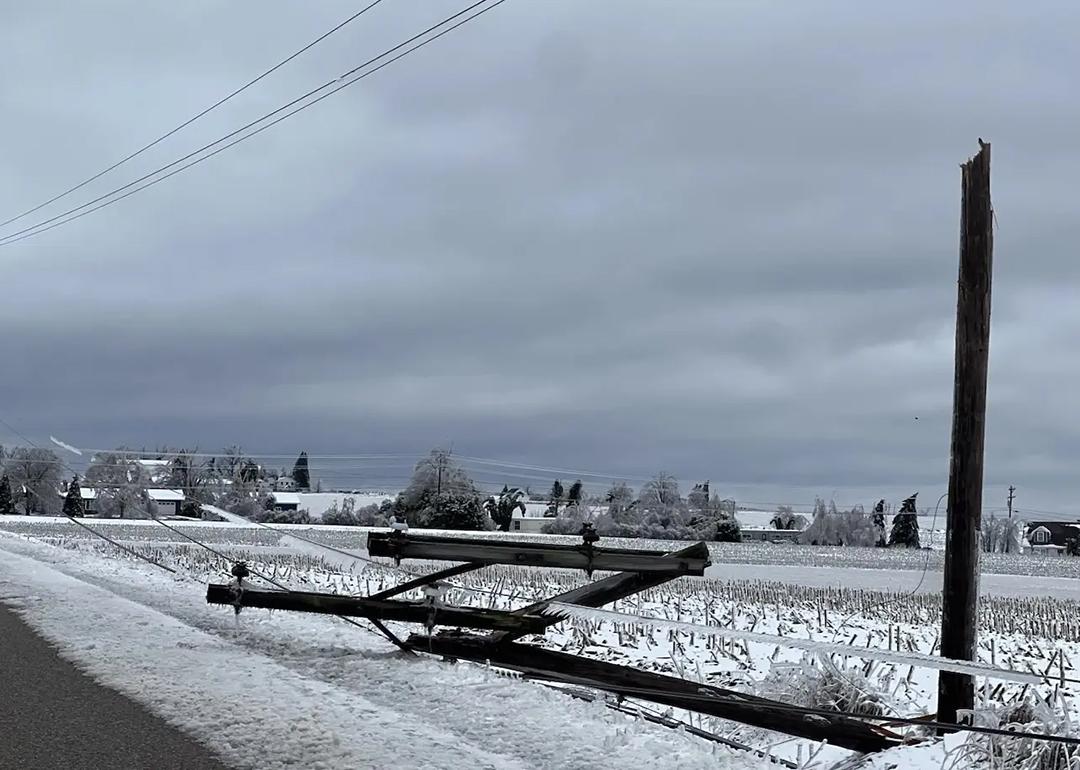
In March 2025, a devastating ice storm hit the region, knocking down trees and snapping utility poles. Thousands of people lost power, and some remained without electricity for weeks..
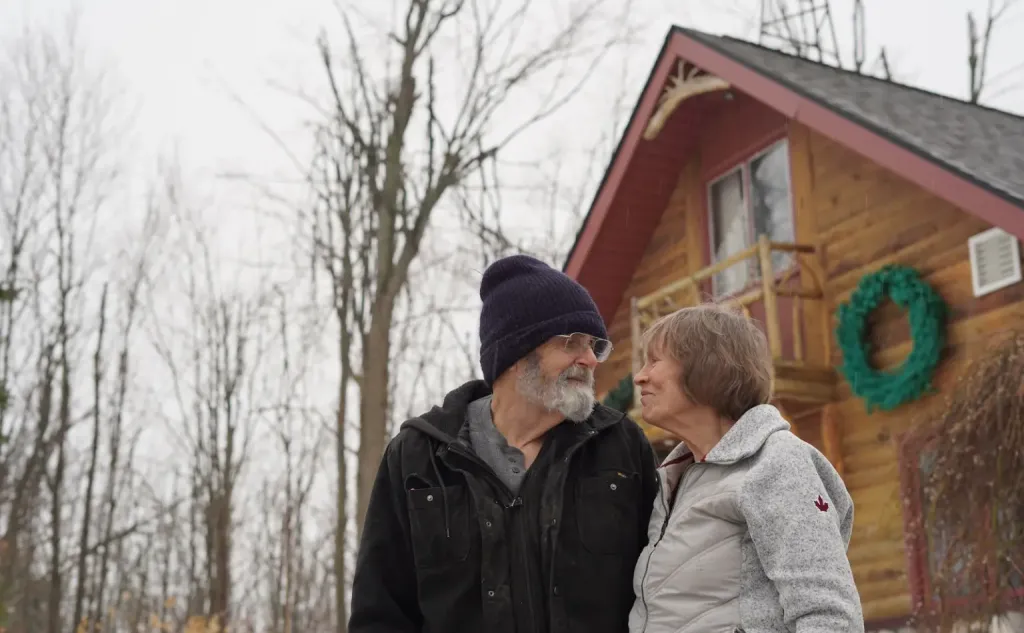
During the blackout, Lewiston, Michigan, resident Wanda Whiting suddenly had to get her husband, Dave, to the hospital. He was having heart trouble. The side of the highway was littered with downed wires and broken poles. The streets were so dark, she said, that she got lost on familiar roads.
鈥淚 still can鈥檛 get over how astonished I was, how much we rely on street lights,鈥� Whiting told .
At one point, she had to drive over thick cables that had fallen across the road. Downed wires are dangerous; they can still be live even if the power is out. The couple made it to the hospital, and Dave Whiting recovered. But the power in the area didn鈥檛 come back on for another two weeks.
For Michiganders, the ice storm was a reminder of the power grid鈥檚 vulnerabilities during severe weather. The state already sees some of the in the country.
Climate change could make that worse. suggests northern Michigan will see more freezing rain instead of snow and possibly more destructive ice storms. Communities need to plan for a different future, said Richard B. Rood, a professor emeritus at the University of Michigan who studies climate change adaptation.
鈥淵ou can鈥檛 think of what we鈥檙e experiencing as, 鈥楾his is how it used to be, and this is where it will be,芒鈧溾�� Rood said. 鈥淵ou are right in the middle of the change here.鈥�
The biggest challenge to undergrounding power lines is cost. Consumers Energy, one of the largest utilities in Michigan, says it hears from customers 鈥渃onsistently鈥� about burying more lines. The company estimates that undergrounding 1 mile of line in the state can cost $400,000. In some urban areas that cost can swell, with estimates ranging from $2 million to $3 million per mile, according to a from the Michigan Public Service Commission.
In contrast, installing overhead lines is typically a fraction of that cost.
Instead of undergrounding existing wires, burying new lines during construction is generally easier and cheaper, because crews can install power lines alongside other utilities like water or gas.
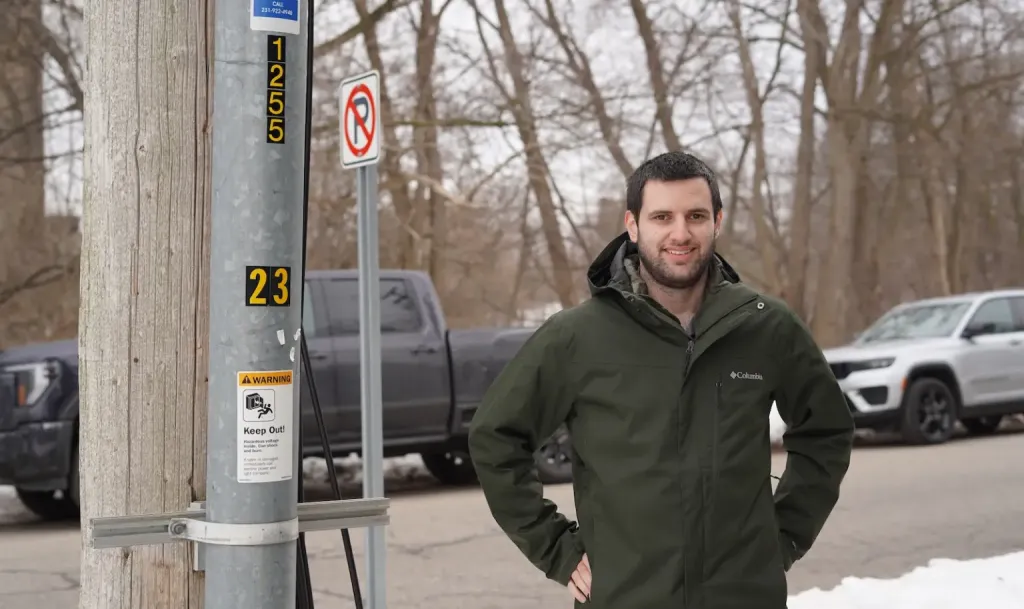
Tony Chartrand, pictured below, is director of electrical engineering and operations for Traverse City Light & Power, which serves roughly 42,000 people. He said utilities face a balancing act. 鈥淧art of that solution is undergrounding lines,鈥� he said. 鈥淏ut it鈥檚 not necessarily undergrounding everything.鈥�
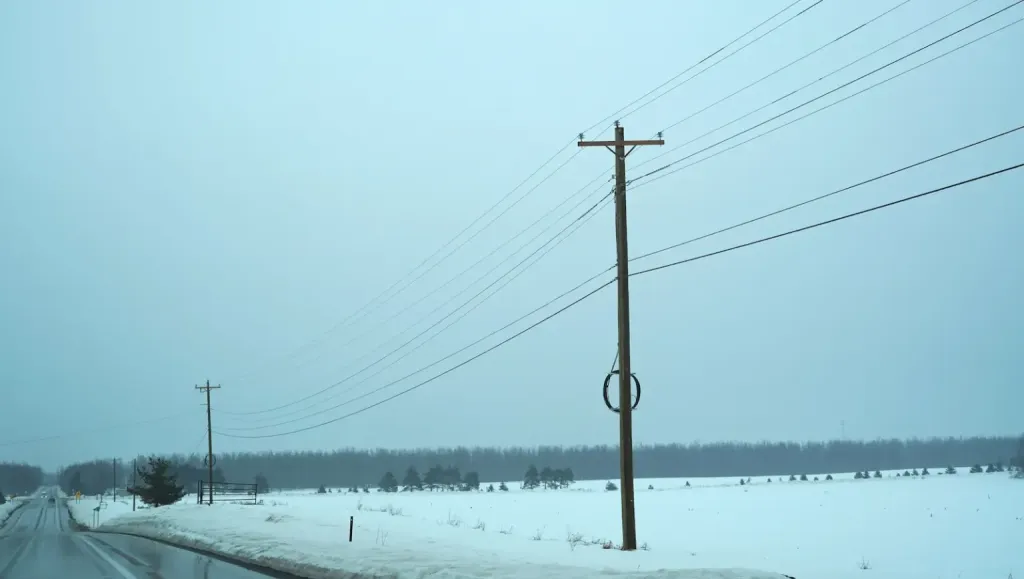
Great Lakes Energy, the state鈥檚 largest electric co-op serving 26 counties across northern Michigan, has announced plans to bury all new power lines. The new policy came in response to last year鈥檚 ice storm, which caused more than 66,000 power outages across the electric co-op鈥檚 system and cost about $150 million in damages.
Even so, burying new lines will be expensive, said Shari Culver, chief operating officer for Great Lakes Energy. It can cost three to five times more than putting up an overhead line, and costs will be passed onto ratepayers. But, she said, 鈥淚 think there鈥檚 reliability benefits for our membership, because it鈥檚 going to help prevent outages over the long term.鈥�
The utility isn鈥檛 planning on burying all its existing overhead lines. That鈥檚 when expenses for construction, labor, and materials can add up quickly.
Besides the cost, there are other challenges with burying power lines. Any problem often requires digging up sidewalks to reach wires, Chartrand said. For utilities, that can be a balancing act.
鈥淧art of that solution is undergrounding lines. But it鈥檚 not necessarily undergrounding everything,鈥� he said. 鈥淚t鈥檚 trying to balance that cost with the benefit.鈥�
Michigan utilities aren鈥檛 alone in addressing the problem of downed lines during intense storms. Across the country, Americans are experiencing power outages due to severe weather.
Utilities nationwide are looking to bury more lines, said Andrew Phillips, vice president of transmission and distribution infrastructure at the Electric Power Research Institute.
But expensive are another concern, as utilities balance upgrades to an aging grid and increasing demand.
鈥淚f the utility wants to make any investment, this money doesn鈥檛 come from nowhere,鈥� said Tao Sun, a postdoctoral scholar at Stanford University who studies the impact of extreme weather on power systems. 鈥淭hey have to pass on those costs to their customers.鈥�
That can be a hard sell.
Sun said utilities need to plan ahead, identify the areas that would see the most benefit from undergrounding, and get buy-in from local communities for rate increases 鈥� ideally before any major disaster.
Right now, he said, those changes typically happen after disaster strikes.
鈥淲e will only take actions after local customers feel or experience those events that are really severe or disrupt their lives,鈥� Sun said.
For instance, California鈥檚 largest utility, PG&E, is in the middle of one of the country鈥檚 largest undergrounding projects 鈥� in response to destructive wildfires.
A year after the devastating ice storm in northern Michigan, residents like Wanda Whiting are still recovering. There are now new poles and wires near her home. But Whiting can鈥檛 help wondering how these power lines will hold up in the next storm 鈥� and whether there鈥檚 a better solution.
鈥淚f it means going underground,鈥� she says, 鈥淭hen by God, go underground!鈥�
This coverage is made possible through a partnership between Grist and in northern Michigan.
was produced by and reviewed and distributed by 爆料TV.