
How immigration scams affect thousands of foreign nationals
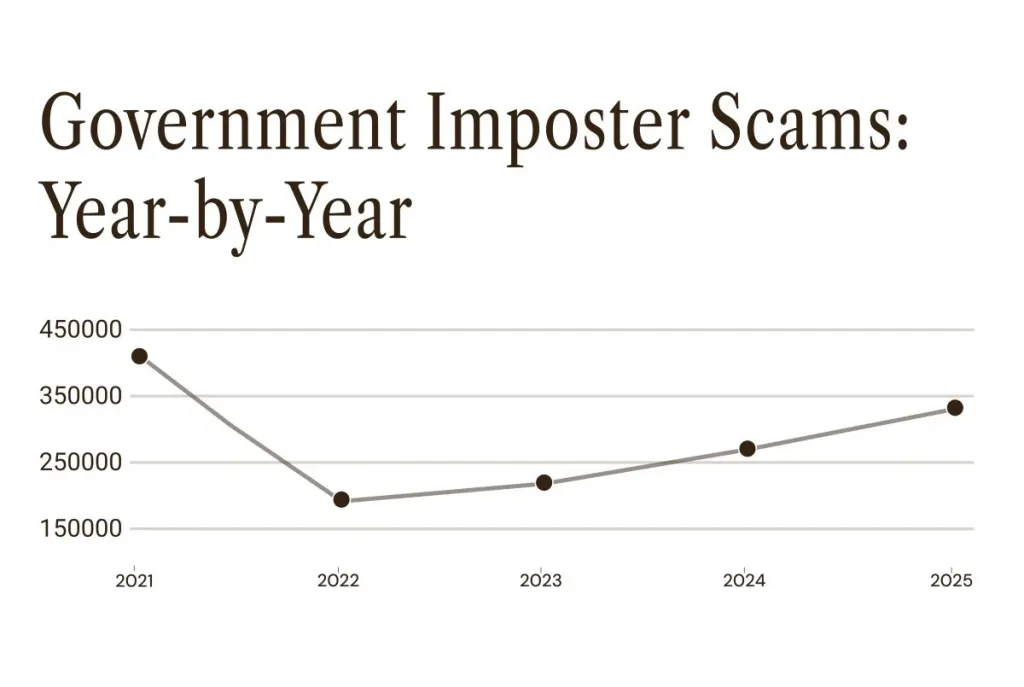
Immigration scams could be becoming more prevalent since 2022, according to recent federal data.
In 2024 alone, the Federal Trade Commission received 265,272 complaints about government impersonators, and that鈥檚 only documented cases. The agency estimates those incidents cost consumers $789 million.
Across platforms, social media users have reported increasingly effective tactics from scammers. On LinkedIn, an international student posted that a government imposter intimidated them for two hours. Another user on Reddit lost thousands of dollars worth of prepaid cards after a fraudster successfully posed as law enforcement.
In most cases, the throughline is the same: a call from a fake immigration officer, socially engineered fear, followed by a demand for money.
How the rise of government imposters affects US immigrants
Most people underestimate how widespread these scams are, says , an immigration attorney at . 鈥淲hat makes these fraudsters particularly dangerous is how tailored their tactics are,鈥� she says. 鈥淭hey often use real immigration terminology and reference current policy disruptions, like the , to make their threats feel credible and urgent.鈥�
Since fiscal year 2022, reports of government impersonation have risen by 68.5%, according to the FTC鈥檚 data.
Because the federal government doesn鈥檛 publish more granular data on immigration-specific impersonation cases, Urizar notes that we can鈥檛 quantify the full scope of these crimes. But on social media, users often describe con artists who demand sensitive documents like government IDs or hard-to-trace money transfers such as cryptocurrency and gift cards.
Common non-government scams faced by immigrants
Not every immigration scam involves someone pretending to be a federal officer. Fraudsters also pose as legal experts or businesses promising to 鈥渉elp鈥� with your immigration journey.
Urizar says that international students on F-1 visas are frequent targets. Some fraudulent businesses pose as accredited universities, then extort victims by threatening to revoke their legal status or academic enrollment. For students who may not know how agencies like U.S. Citizenship and Immigration Services communicate, these threats can feel very real and urgent.
H-1B holders and other foreign workers are also prime targets for scams. Fraudsters posing as immigration attorneys often use language like 鈥済uaranteed success鈥� in processes like the . 鈥淣o legitimate attorney would make this claim, because USCIS conducts a weighted random selection system,鈥� Urizar says.
How immigrants can protect themselves from scammers
To avoid scams, Urizar suggests first learning how . 鈥淔or instance, an immigration officer will never ask you to pay fees anywhere outside of a federal government site like pay.gov or by a form like ,鈥� she says. 鈥淭hat鈥檚 often the number one way to identify a scammer, and the same strategy applies to sensitive documents like Social Security numbers.鈥�
To reduce the risk of scams, Urizar recommends:
- Ignoring unknown phone calls: Agencies only communicate through official mail or government portals like myUSCIS, not by phone. If you鈥檙e contacted by a scammer, report them to your .
- Inspecting the website URL: If it doesn鈥檛 end in .gov, it likely isn鈥檛 coming from an immigration officer.
- Verifying mailing addresses: If someone asks you to submit physical copies of documents, verify their location is listed in .
- Consulting with a trusted attorney: A licensed immigration lawyer can help you determine whether an outreach is legitimate.
Many foreign nationals feel fearful or ashamed after falling victim to a scam, and that fear often keeps them from coming forward. 鈥淭his remains one of the biggest reasons these crimes are chronically underreported,鈥� Urizar says. 鈥淏ut staying silent only makes it harder to hold these people accountable. It鈥檚 never too late to file a report with law enforcement, and being scammed is never the victim鈥檚 fault.鈥�
For more information, visit USCIS鈥檚 guide to .
was produced by and reviewed and distributed by 爆料TV.